Asteroids Spinning Like Fairground Rides Challenge Science
Asteroids Spinning Like Fairground Rides Challenge Science

A rapidly spinning asteroid highlighted against a starry sky.
🇺🇸 Asteroids Are Spinning Faster Than Expected
Astronomers have observed certain asteroids in the belt rotating like crazy. We're talking speeds that seem impossible for rocks of their size. These asteroids aren't just slowly drifting through space. They're spinning at speeds that make them look like they're on a fairground ride. Which is strange, if you think about it. The expectation was that they'd break apart at such speeds. But nope, they're holding together just fine. This unexpected discovery has scientists scratching their heads. How can these asteroids spin so fast without disintegrating? It's like finding out that a carousel can spin wildly without throwing off its riders.
As an Amazon Associate I earn from qualifying purchases.

🇪🇸 Asteroides Girando Más Rápido de lo Esperado
Algunos astrónomos han visto ciertos asteroides en el cinturón rotando a velocidades alucinantes. Estamos hablando de velocidades que parecen imposibles para rocas de ese tamaño. No sólo están flotando en el espacio. Están girando como si estuvieran en un parque de diversiones. Y esto es raro, si te pones a pensarlo. Se esperaba que se desintegraran a esas velocidades. Pero no, se mantienen juntos, como si nada. Este descubrimiento inesperado tiene a los científicos desconcertados. ¿Cómo pueden estos asteroides girar tan rápido sin romperse? Es como descubrir que un carrusel puede girar muy rápido sin que se caigan los pasajeros.

Detailed view of a jagged rock on an asteroid's surface.
🇺🇸 Understanding What We Thought We Knew
Before these rapid-spinning asteroids came into the picture, scientists had a pretty solid idea of how these space rocks behaved. They believed that asteroids were loosely held together piles of rubble. Any fast spin would tear them apart due to centrifugal forces. That was the common understanding for the asteroid belt's ancient remnants circling between Mars and Jupiter. These bodies were not supposed to withstand such high-speed rotations. For years, astronomers assumed they knew the limits of asteroid stability. That assumption now seems shaky, to say the least.

🇪🇸 Comprendiendo Lo Que Creíamos Saber
Antes de que estos asteroides de giro rápido fueran descubiertos, los científicos tenían una idea bastante clara sobre el comportamiento de estos cuerpos celestes. Pensaban que eran montones de escombros apenas mantenidos unidos por la gravedad débil. Cualquier giro rápido debería destrozarlos por fuerzas centrífugas. Eso era lo que se creía sobre los restos antiguos del cinturón de asteroides entre Marte y Júpiter. No debían resistir rotaciones de alta velocidad. Durante años, los astrónomos asumieron que conocían los límites de estabilidad de un asteroide, pero esta suposición ahora tambalea.

Diagram of an asteroid's structure challenges current science.
🇺🇸 The Spin Mechanics: What's Going On?
Now let's get into the mechanics of this insane spinning action. Some scientists think that these fast-rotating bodies might have some cohesion beyond gravity alone. Perhaps there's a kind of sticky regolith or an internal structure that's more solid than previously thought. Others suggest electrostatic forces might play a role in holding them together as they spin like tops in space. It’s possible that impacts or collisions gave them this momentum over time, winding them up like toys ready to zip across the room.

🇪🇸 La Mecánica del Giro: ¿Qué Está Pasando?
Ahora entremos en la mecánica de este giro loco. Algunos científicos piensan que estos cuerpos podrían tener otra cohesión además de la gravedad débil típica. Quizás hay un tipo de regolito pegajoso o una estructura interna más sólida de lo que se pensaba antes. Otros sugieren que fuerzas electrostáticas podrían estar ayudando a mantenerlos unidos mientras giran como trompos en el espacio. Es posible también que impactos o colisiones les hayan dado este impulso con el tiempo, como juguetes listos para cruzar la habitación.
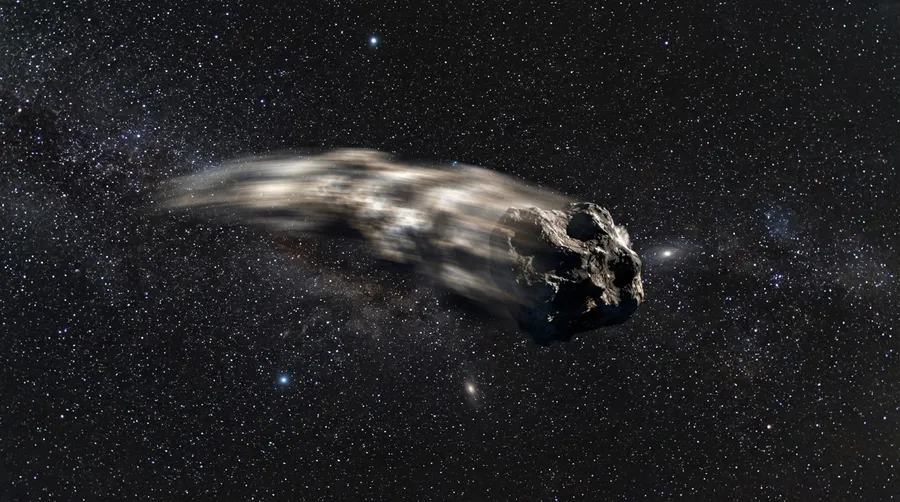
The motion blur of an asteroid's rotation in space.
🇺🇸 Why Does This Matter for Us Here on Earth?
Understanding why these asteroids spin without flying apart can teach us more about the basic building blocks of our solar system. If these rocks hold secrets to cohesion and internal structure beyond our current models, we might need to rethink how we approach asteroid mining or even planetary defense strategies against potential impacts with Earth. Imagine trying to deflect or land on an asteroid that's spinning like mad with unknown forces at play keeping it intact.

🇪🇸 ¿Por Qué Nos Importa Aquí en la Tierra?
Comprender por qué estos asteroides pueden girar sin desintegrarse nos puede enseñar más sobre los bloques básicos del sistema solar. Si contienen secretos sobre cohesión o estructura interna más allá de nuestros modelos actuales, tal vez debamos reconsiderar cómo abordar la minería en asteroides o incluso estrategias de defensa planetaria contra impactos potenciales con la Tierra. Imagínate intentar desviar o aterrizar en un asteroide que está girando como loco con fuerzas desconocidas manteniéndolo intacto.
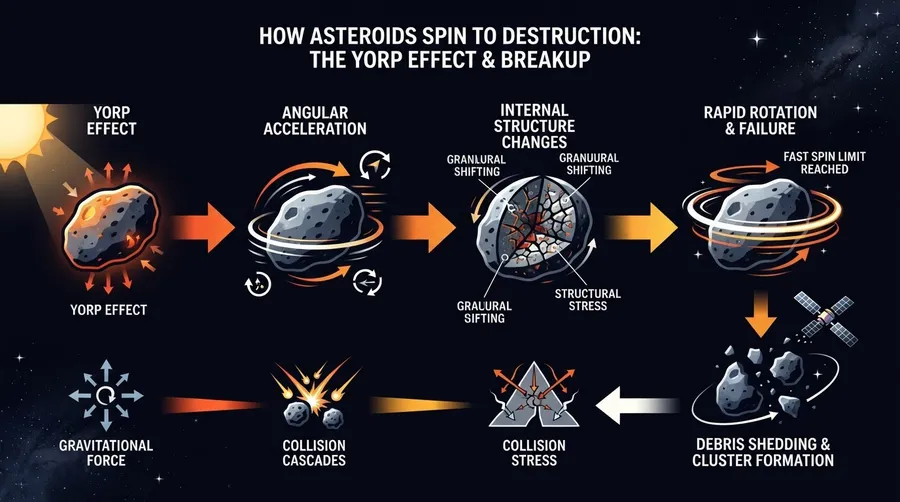
Stages of how asteroids achieve ultra-fast rotation speeds.
🇺🇸 Unanswered Questions Remain
How do these asteroids maintain their cohesion at breakneck speeds? What is the maximum rotation speed they can withstand before disintegration occurs? Do smaller or larger asteroids follow the same spinning trends? The answers could change our understanding of the solar system's dynamics.

🇪🇸 Preguntas Sin Responder Aún
¿Cómo mantienen estos asteroides su cohesión a velocidades extremas? ¿Cuál es la velocidad máxima de rotación antes de que ocurra la desintegración? ¿Asteroides más grandes o más pequeños siguen las mismas tendencias? Las respuestas podrían cambiar cómo entendemos las dinámicas del sistema solar.
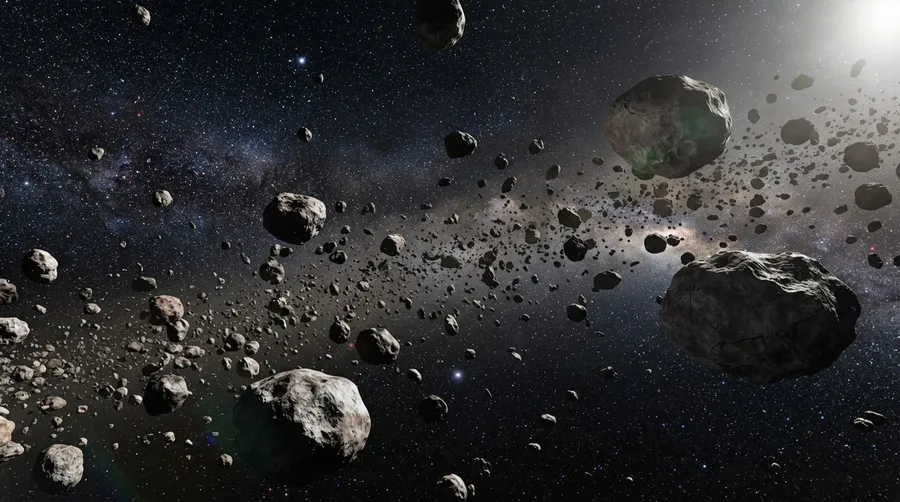
The vast asteroid belt with varying asteroid sizes.
🔗 Related Articles | Artículos Relacionados
Nuestro canal transmite datos curiosos de ciencia, IA, espacio y tecnología las 24 horas. | Our channel streams science facts, AI, space and technology around the clock.
▶ Ver transmisión | Watch liveOPEN YOUR MIND
Source: Source
Join the conversation