Exploring Robotics in Scientific Research with Kushant Patel
Exploring Robotics in Scientific Research with Kushant Patel
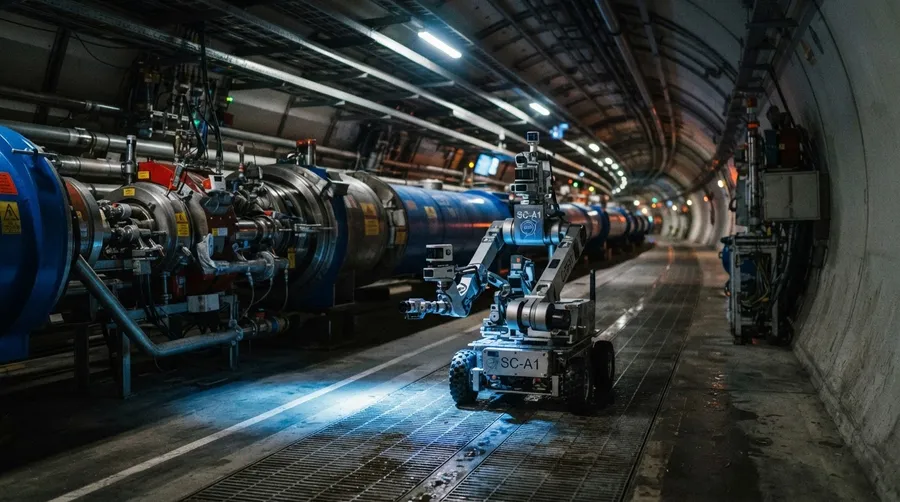
A robot navigates a particle accelerator, showcasing advanced robotics.
🇺🇸 Robots in the Lab
Kushant Patel is doing some pretty cool stuff with robots at Brookhaven National Laboratory. Imagine having machines that can navigate the complex world of a particle accelerator. They have to perceive their environment, map it, and then move through it without bumping into things. Patel has been building the software that allows these robots to do just that. These aren't your Roomba vacuums. They're sophisticated tools designed for scientific precision. When Claire chatted with him, it became clear these robots could handle tasks way too dangerous for humans. That's the current reality. It is exciting and a bit scary if you think about it.
As an Amazon Associate I earn from qualifying purchases.

🇪🇸 Robots en el Laboratorio
Kushant Patel está trabajando con robots en el Laboratorio Nacional de Brookhaven. Estos no son robots comunes. Son sofisticados y pueden navegar en lugares complejos como los aceleradores de partículas. Tienen que percibir el entorno y moverse sin chocar. Patel desarrolla el software para que esto sea posible. Cuando Claire habló con él, quedó claro que estos robots pueden realizar tareas demasiado peligrosas para los humanos. Así están las cosas hoy en día. Emocionante y un poco inquietante, si lo piensas.

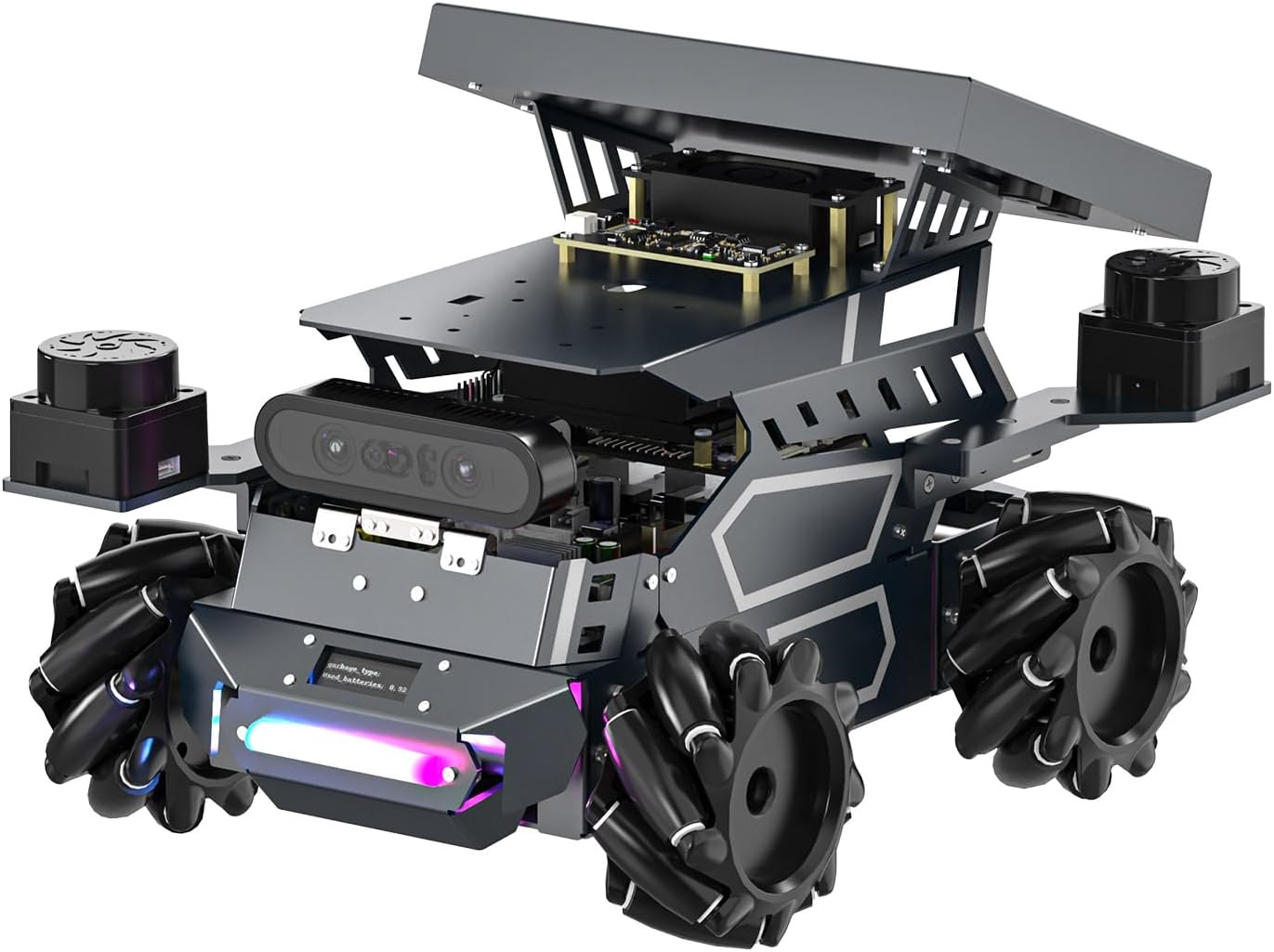
Detailed view of a robot's sensor array used in scientific research.
🇺🇸 Robots Before Patel
Before Patel came along, robotics in scientific research was already a thing, though maybe not at this level of complexity. Labs used simple robot arms or automated systems for repetitive tasks like sorting samples or handling chemicals. These systems operated in controlled environments and lacked the flexibility for more advanced jobs like navigating a particle accelerator's labyrinthine corridors. The idea of combining robotics with machine perception was still mostly theoretical. Then Patel took his knowledge from Waterloo to push the boundaries.
🇪🇸 Robots Antes de Patel
Antes de que llegara Patel, los robots en investigación científica ya existían, aunque no con esta complejidad. Usaban brazos robóticos o sistemas automatizados para tareas repetitivas como clasificar muestras o manejar químicos. Operaban en entornos controlados y carecían de la flexibilidad necesaria para trabajos avanzados como navegar por los intrincados pasillos de un acelerador de partículas. La idea de combinar la robótica con la percepción mecánica era casi teórica. Hasta que Patel llevó su conocimiento desde Waterloo para ampliar esos límites.
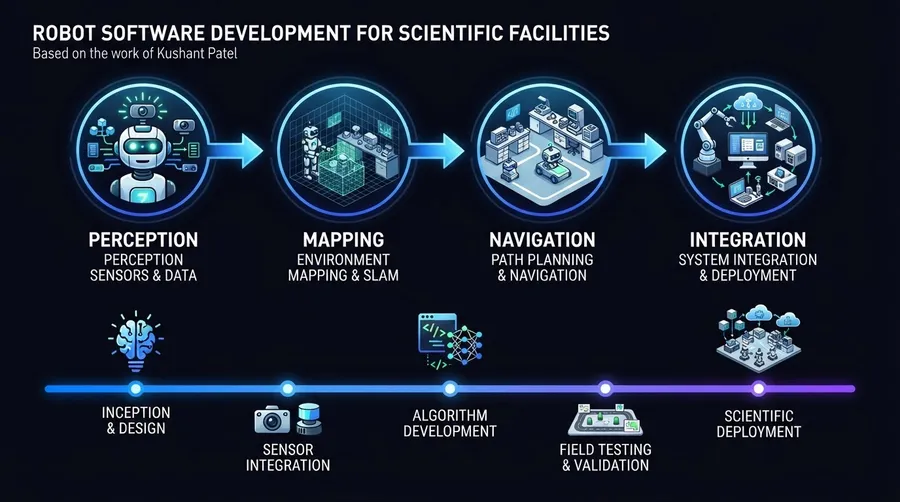
Flowchart of Kushant Patel's robot software development process.
🇺🇸 Mechanics of Perception and Movement
So how do these robots actually work? They come equipped with an array of sensors that gather data about their surroundings. We're talking about cameras, radar, maybe even LiDAR for depth perception. This data gets fed into sophisticated algorithms that allow the robot to build a map of its environment in real-time. Once it understands where everything is, it calculates the best path to take while avoiding obstacles. The software needs constant updates to keep up with any changes in the physical space.

🇪🇸 Mecánica de Percepción y Movimiento
¿Cómo funcionan realmente estos robots? Están equipados con varios sensores que recogen datos del entorno. Hablamos de cámaras, radar y quizá LiDAR para percepción de profundidad. Estos datos se introducen en algoritmos que permiten al robot crear un mapa del entorno en tiempo real. Una vez entiende dónde está todo, calcula el mejor camino evitando obstáculos. El software requiere constantes actualizaciones para seguir el ritmo de cualquier cambio en el espacio físico.
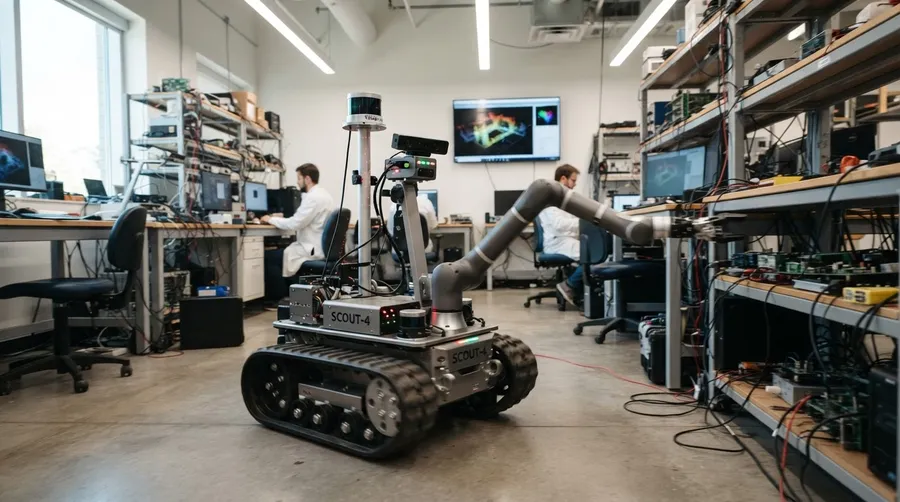
A robot actively maps a laboratory environment autonomously.
🇺🇸 Impact on Scientific Research
The impact of these robotic systems is pretty significant in scientific research settings, especially places dealing with hazardous materials or environments unsafe for humans. Researchers can now use robots to perform tedious or dangerous tasks like monitoring equipment inside particle accelerators or handling radioactive substances without putting themselves at risk. This frees up human researchers to focus on analysis and decision-making rather than manual labor, something that wasn't possible before these advancements.

🇪🇸 Impacto en la Investigación Científica
El impacto de estos sistemas robóticos es significativo en investigaciones científicas, especialmente donde hay materiales peligrosos o ambientes inseguros para los humanos. Los investigadores pueden ahora usar robots para tareas tediosas o peligrosas como monitorear equipos dentro de aceleradores de partículas o manejar sustancias radiactivas sin arriesgarse ellos mismos. Esto permite a los investigadores concentrarse en el análisis y la toma de decisiones en lugar del trabajo manual, algo que no era posible antes.
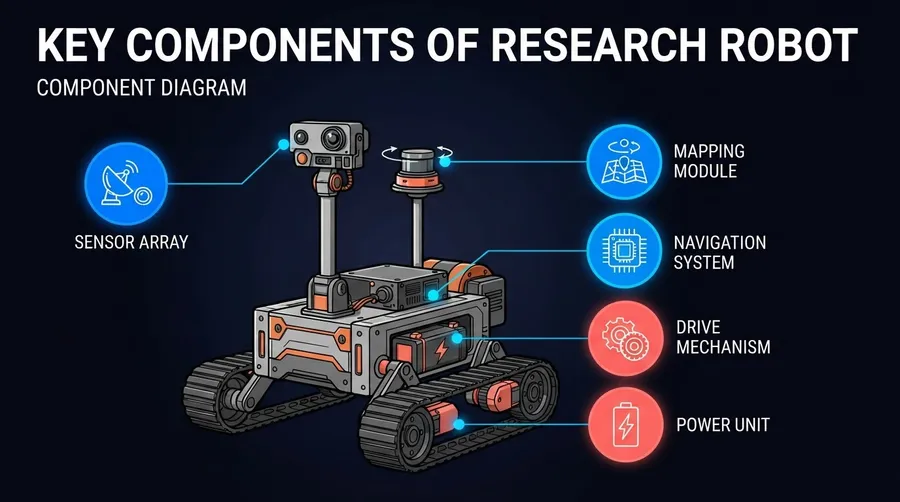
Diagram of key components in scientific research robots.
🇺🇸 Unanswered Questions
There are still several questions left unanswered in this field. How do these algorithms handle large numbers of variables in real-world conditions? Can the sensors operate effectively in extreme temperatures found inside some labs? And what about scaling this technology for wider use? These are questions Kushant and his team are still figuring out.
🇪🇸 Preguntas Sin Responder
Aún quedan varias preguntas sin respuesta en este campo ¿Cómo manejan estos algoritmos muchas variables en condiciones reales? ¿Pueden los sensores funcionar eficazmente a temperaturas extremas dentro de algunos laboratorios? ¿Y qué pasa con escalar esta tecnología para un uso más amplio? Estas son preguntas que Kushant y su equipo aún están resolviendo.
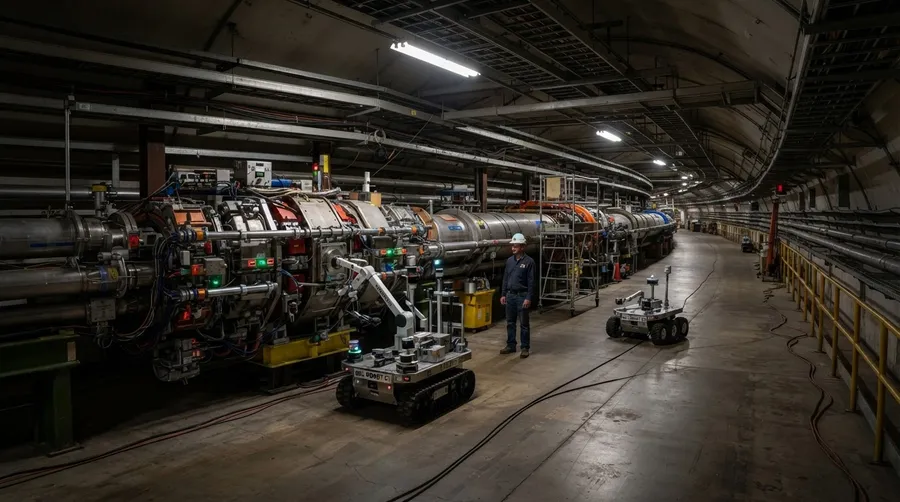
Robots operate within the vast Brookhaven National Laboratory.
🔗 Related Articles | Artículos Relacionados
Nuestro canal transmite datos curiosos de ciencia, IA, espacio y tecnología las 24 horas. | Our channel streams science facts, AI, space and technology around the clock.
▶ Ver transmisión | Watch liveOPEN YOUR MIND
Source: Source
Join the conversation