Why Snake Embryos Curl into Spirals
Why Snake Embryos Curl into Spirals
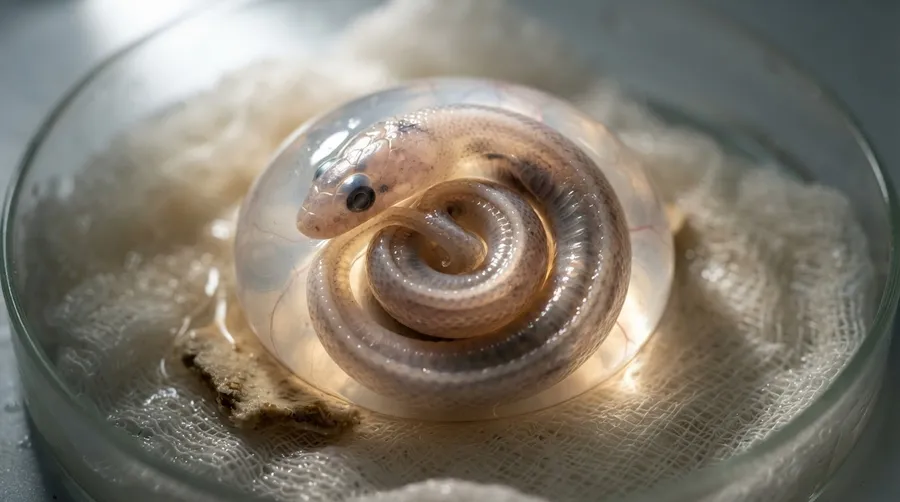
A snake embryo curls into a right-handed spiral.
🇺🇸 Unraveling the Snake Embryo Mystery
So here's what happened. Scientists studied over 900 snake embryos to figure out why they curl into spirals. Used CT scans too. Turns out, the embryos start their curl because their bodies grow faster than their guts. Imagine a rope attached at two ends but growing in length. It buckles and twists, right? Same thing with snake embryos inside their eggs. I found that pretty fascinating because they used solid data and not just guesses. Previously, people thought it was just how snakes naturally grew. But now, we have this new insight that points to a specific biological process.
🇪🇸 Desentrañando el misterio de los embriones de serpiente
Esto es lo que pasó. Un grupo de científicos investigó más de 900 embriones de serpiente para entender por qué se enrollan en espiral. Usaron escaneos CT para ver lo que está oculto dentro del huevo. Descubrieron que el cuerpo de los embriones crece más rápido que sus intestinos. Imagínate una cuerda atada en dos extremos pero que sigue creciendo en longitud. Se dobla y retuerce, ¿verdad? Lo mismo pasa con los embriones de serpiente dentro del huevo. Lo interesante aquí es que antes se pensaba que era algo natural. Ahora sabemos que es un proceso biológico específico.
Como Afiliado de Amazon, obtengo ingresos por las compras adscritas que cumplen los requisitos aplicables.

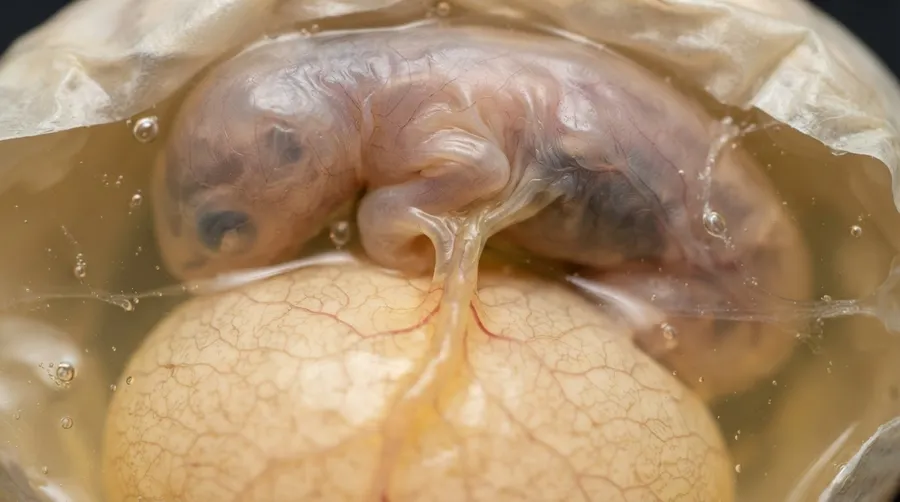
Close-up of the snake embryo's body-gut connection.
🇺🇸 What We Knew Before
We already knew that snakes curl inside their eggs. It's one of the first things observable in snake development. People thought it was just a quirk of evolution or maybe an adaptation for space efficiency inside the egg. The right-handed spiral is so characteristic that it's been documented in countless studies before this one. But those studies focused more on what happens during later stages of development, not the initial curling phase. This new angle adds a layer of complexity to our understanding.
🇪🇸 Lo que ya sabíamos
Ya sabíamos que las serpientes se enrollan dentro de sus huevos desde las primeras etapas de su desarrollo. Era algo observable y documentado en muchos estudios anteriores. Algunos pensaban que era una adaptación evolutiva o una manera eficiente de ocupar espacio dentro del huevo. La espiral siempre es hacia la derecha y eso ha sido un tema recurrente en investigaciones pasadas, aunque se centraban más en el desarrollo posterior y no en por qué sucede inicialmente este rizo.


Growth rates cause snake embryos to form spirals.
🇺🇸 The Mechanics of Curling
Here's where it gets mechanical, literally and figuratively. As the embryo's body grows faster than its gut, it creates tension along the length of the embryo's body inside the egg. Like pulling on one end of an elastic band that's tethered at both ends, causing it to buckle into a spiral shape. This forces the embryo to twist into that right-handed spiral that's been puzzling scientists for ages now. They pieced this together using detailed CT scans to visualize what's happening inside the egg during this curling stage.
🇪🇸 La mecánica del rizado
Ahora vamos al grano, lo mecánico del asunto. Cuando el cuerpo del embrión crece más rápido que su intestino, se genera tensión a lo largo del cuerpo del embrión dentro del huevo. Es como estirar una banda elástica sujetada en ambos extremos, lo cual la hace doblarse en forma de espiral. Así el embrión se ve forzado a torcerse en esa espiral hacia la derecha que ha sido un misterio para los científicos durante años. Este hallazgo fue posible gracias a escaneos CT detallados que permitieron visualizar lo que sucede dentro del huevo.

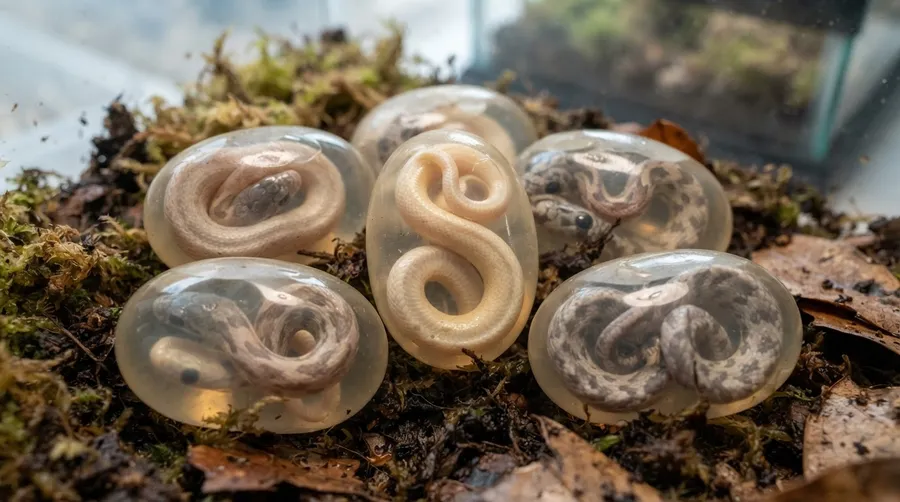
Snake embryos curl as they develop inside their eggs.
🇺🇸 Real-World Impact
Okay, so what does this mean for people outside the lab? For herpetologists and breeders, understanding this process helps improve breeding techniques and incubation conditions. Knowing why and how these embryos curl could advise temperature or humidity settings that make conditions more favorable for developing embryos. It's useful for conservation programs too because more controlled conditions help with species preservation efforts by ensuring higher survival rates during this critical stage of life.
🇪🇸 Impacto en el mundo real
Entonces, ¿qué significa esto para la gente fuera del laboratorio? Para los herpetólogos y criadores, comprender este proceso puede mejorar las técnicas de cría y las condiciones de incubación de los huevos de serpientes. Saber cómo y por qué se enrollan estos embriones podría guiar sobre ajustes precisos de temperatura o humedad para favorecer su desarrollo óptimo. También tiene implicaciones para los programas de conservación al ofrecer condiciones controladas más efectivas para asegurar mayores tasas de supervivencia en esta etapa crítica.

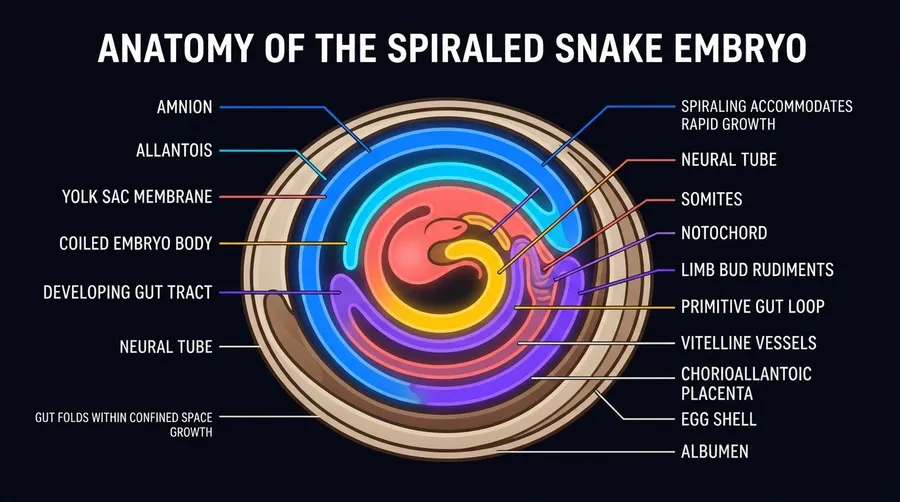
Anatomy of a snake embryo inside an egg.
🇺🇸 What's Still Unknown
We still do not know how gut growth rates vary among different snake species during embryo development. Another question is whether external factors like temperature can influence the rate of curling within those same species' eggs. Lastly, there's uncertainty about how these mechanical forces interact with genetic factors during this process.
🇪🇸 Lo que aún se desconoce
Todavía no sabemos cómo varían las tasas de crecimiento intestinal entre diferentes especies de serpientes durante el desarrollo embrionario. Otra incógnita es si factores externos como la temperatura pueden influir en la tasa de rizado dentro de los huevos de esas mismas especies. Por último hay incertidumbre sobre cómo interactúan estas fuerzas mecánicas con factores genéticos durante este proceso.

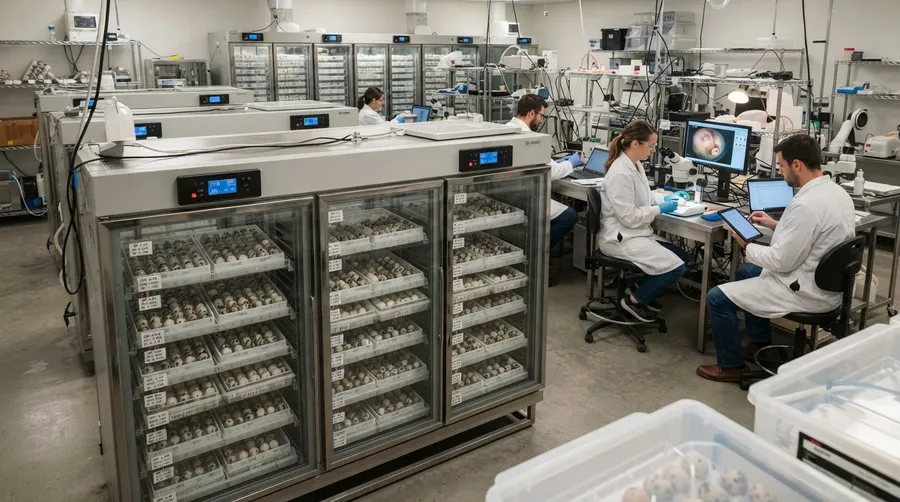
Researchers observe snake embryos in an incubation area.
🔗 Related Articles | Artículos Relacionados
Nuestro canal transmite datos curiosos de ciencia, IA, espacio y tecnología las 24 horas. | Our channel streams science facts, AI, space and technology around the clock.
▶ Ver transmisión | Watch liveOPEN YOUR MIND
Source: Source
Join the conversation