Innovative Methods for Climate-Resilient Resource Management
Innovative Methods for Climate-Resilient Resource Management

A lush European landscape under a vibrant sunset.
🇺🇸 Uncovering Blue Transition's Key Findings
The Blue Transition project, after years of dedicated research, has uncovered some fascinating insights. They focused on 16 pilot regions across six countries in Europe. One of the big takeaways is that land use changes can significantly boost climate resilience. This isn't just about planting more trees or switching crop types, though those help too. It's about rethinking how we use land altogether. Improving soil health emerged as another game changer. They also found that diversifying and optimizing water resources is crucial. Imagine using a mix of rainwater, recycled water, and even treated wastewater for agriculture. That's what they're talking about. These findings are not just theoretical exercises but practical strategies that communities can adopt.
As an Amazon Associate I earn from qualifying purchases.

🇪🇸 Descubrimiento de Hallazgos Clave de Blue Transition
El proyecto Blue Transition, tras años de investigación, ha descubierto ideas fascinantes. Se centraron en 16 regiones piloto en seis países de Europa. Un hallazgo importante es que los cambios en el uso del suelo pueden aumentar significativamente la resiliencia climática. No se trata solo de plantar más árboles o cambiar tipos de cultivos, aunque eso también ayuda. La idea es replantearse completamente cómo usamos la tierra. Mejorar la salud del suelo también surgió como una pieza clave. Además, encontraron que diversificar y optimizar los recursos hídricos es esencial. Imagina utilizar una mezcla de agua de lluvia, agua reciclada e incluso aguas residuales tratadas para la agricultura. Estos hallazgos son estrategias prácticas que las comunidades pueden adoptar.

Soil sample showing texture and moisture content.
🇺🇸 Understanding What We Already Knew
Before Blue Transition came along, there was already a lot known about climate resilience in Europe. Experts understood that land and water management were critical to adapting to climate change impacts. Many regions struggled with dwindling water supplies and poor soil conditions before the project tackled these issues head-on. Conservation techniques like crop rotation and drip irrigation had been around for a while but weren't widely adopted everywhere. People knew improving soil health involved more organic matter and less reliance on pesticides. Yet the breakthrough was pulling these elements together systematically across different regions to see what worked best.

🇪🇸 Lo Que Ya Sabíamos
Antes de Blue Transition, ya se sabía bastante sobre resiliencia climática en Europa. Los expertos entendían que la gestión del suelo y el agua eran cruciales para adaptarse a los impactos del cambio climático. Muchas regiones ya enfrentaban problemas con el abastecimiento de agua y condiciones del suelo antes del proyecto. Las técnicas de conservación como la rotación de cultivos y el riego por goteo existían, pero no se adoptaron ampliamente en todos lados. Se sabía que mejorar la salud del suelo involucraba más materia orgánica y menos pesticidas. La innovación fue unir estos elementos sistemáticamente entre diferentes regiones para ver qué funcionaba mejor.
🇺🇸 The Mechanics Behind Climate Resilience
How exactly does this all work in practice? The mechanism isn't straightforward but it's fascinating to unpack it a bit. When you change land use, say by integrating agroforestry systems, it helps stabilize the soil and retain more water. This reduces erosion and improves fertility over time, which matters for crop yields. Using diverse water resources requires a mix of technologies like rainwater harvesting systems and advanced irrigation techniques to minimize waste. Soil health boosts come from adding biochar or similar materials that enhance microbial activity and improve nutrient cycling, making plants more resilient to stress.

🇪🇸 Mecánicas de la Resiliencia Climática
¿Cómo funciona todo esto en la práctica? El mecanismo no es sencillo pero es fascinante desglosarlo un poco. Al cambiar el uso del suelo, por ejemplo integrando sistemas agroforestales, se estabiliza el suelo y se retiene más agua. Esto reduce la erosión y mejora la fertilidad con el tiempo, lo cual importa para los rendimientos de los cultivos. Utilizar recursos hídricos diversos requiere una combinación de tecnologías como sistemas de captación de agua de lluvia y técnicas avanzadas de riego para minimizar el desperdicio. Las mejoras en la salud del suelo provienen de añadir biochar u otros materiales similares que aumentan la actividad microbiana y mejoran el ciclo de nutrientes.
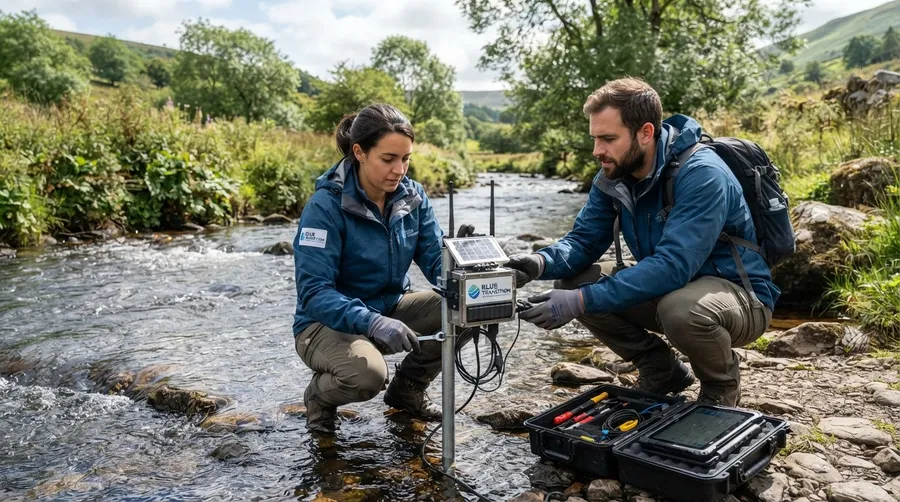
Team installing sensors for water management.
🇺🇸 Tangible Impacts on Communities
So what changes for people on the ground thanks to these methods? Farmers can actually see better yields from healthier soils and more efficient water use over time. This doesn't just mean more crops but less stress about unpredictable weather patterns too. Communities might face less risk of water shortages during droughts because they've managed to diversify sources and usage patterns effectively. In some regions they've noticed improvements in local biodiversity as well which can have knock-on effects like better pollination of crops or reduced pest issues overall.

🇪🇸 Impactos Tangibles en las Comunidades
Entonces ¿qué cambia para las personas gracias a estos métodos? Los agricultores pueden ver mejores rendimientos gracias a suelos más saludables y al uso más eficiente del agua con el tiempo. No solo significa más cultivos sino también menos estrés por patrones climáticos impredecibles. Las comunidades podrían enfrentar un menor riesgo de escasez de agua durante las sequías porque han logrado diversificar fuentes y patrones de uso eficazmente. En algunas regiones han notado mejoras en la biodiversidad local también lo cual puede tener efectos colaterales como una mejor polinización de cultivos o menos problemas con plagas.
🇺🇸 Unanswered Questions Remain
Even with all this progress some questions remain unanswered like how these methods function in extreme climates beyond those already tested. Another query is how much initial investment is required for communities to adopt these changes broadly without external support. Researchers are also curious about the long-term effects on carbon sequestration in different soil types.

🇪🇸 Preguntas Sin Responder Persisten
A pesar de todo este progreso algunas preguntas siguen sin respuesta como cómo funcionan estos métodos en climas extremos diferentes a los ya probados ¿Cuánta inversión inicial se requiere para que las comunidades adopten estos cambios ampliamente sin apoyo externo? Los investigadores también tienen curiosidad sobre los efectos a largo plazo en la captura de carbono en distintos tipos de suelo.
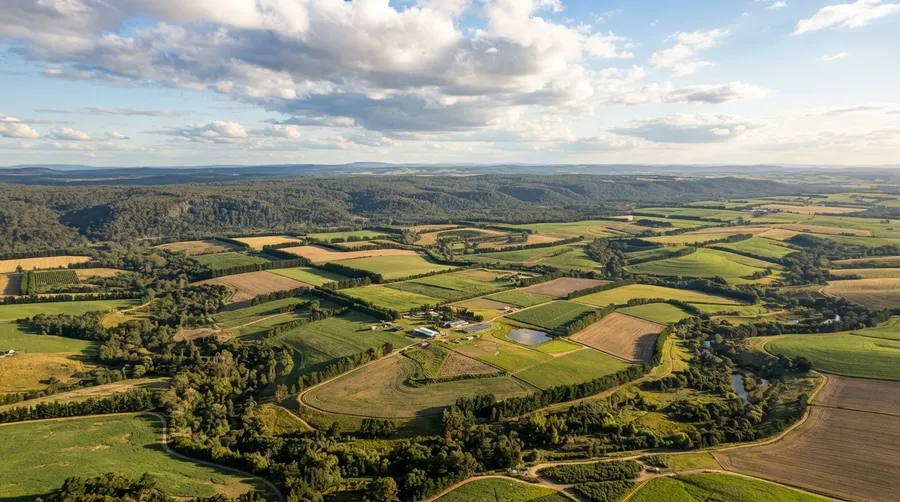
Diverse ecosystems in a pilot region under vast sky.
🔗 Related Articles | Artículos Relacionados
Nuestro canal transmite datos curiosos de ciencia, IA, espacio y tecnología las 24 horas. | Our channel streams science facts, AI, space and technology around the clock.
▶ Ver transmisión | Watch liveOPEN YOUR MIND
Source: Source
Join the conversation