The Surprising Role of Feces in Earth's Evolution
The Surprising Role of Feces in Earth's Evolution
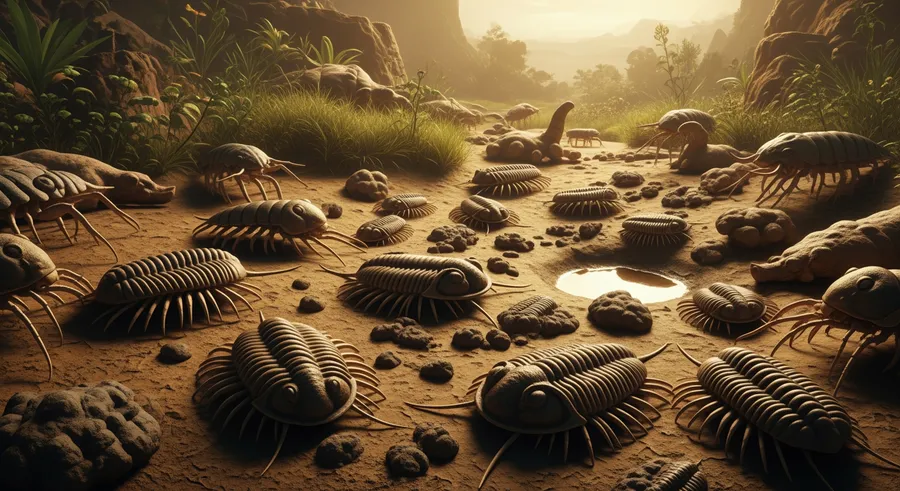
Ancient animals graze, leaving droppings in the landscape.
🇺🇸 The Surprising Historic Role of Poop
About 540 million years ago, something incredible happened. Feces from early organisms began to play a major role in shaping life on Earth. Who would've thought? The nutrient-rich material helped spread complex organisms beyond their original homes. Maybe not the most glamorous hero in Earth’s story, but essential nonetheless. Scientists now believe that these droppings contributed to biodiversity by transporting nutrients across ancient landscapes. This is a big deal because it means poop was more than just waste. It was a vehicle for change, literally carrying life across new territories. I kept rereading that part. It's almost poetic in its importance.
🇪🇸 El Inesperado Papel Histórico del Excremento
Hace unos 540 millones de años, ocurrió algo increíble. Las heces de organismos primitivos empezaron a ser clave en la vida en la Tierra. ¿Quién lo hubiera pensado? Este material lleno de nutrientes ayudó a que los organismos complejos se dispersaran más allá de sus tierras natales. Tal vez no sea el héroe más glamoroso de la historia de la Tierra, pero sí muy importante. Los científicos creen que estas deposiciones contribuyeron a la biodiversidad al transportar nutrientes a través de antiguos paisajes. Es como si fueran vehículos de cambio, llevando vida a nuevos territorios.
Como Afiliado de Amazon, obtengo ingresos por las compras adscritas que cumplen los requisitos aplicables.

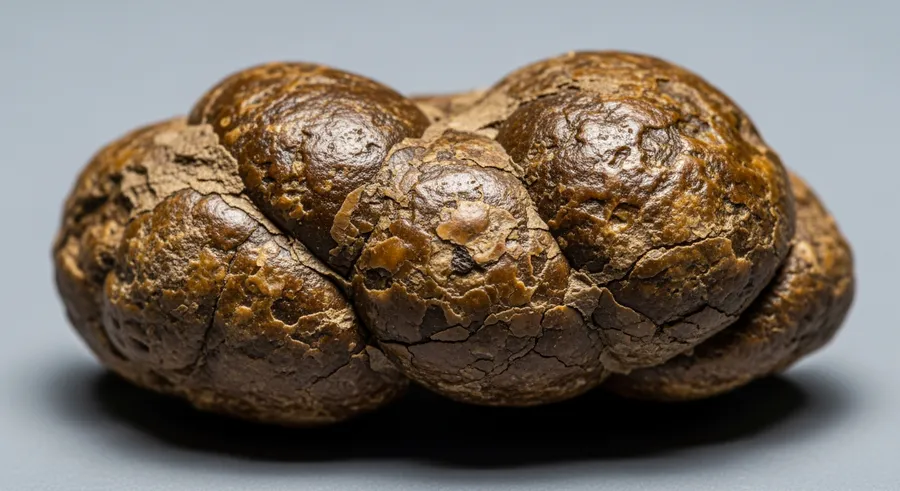
Detailed view of a coprolite reveals its mineral content.
🇺🇸 Previously Known Facts about Life’s Evolution
Before this discovery, scientists thought the Cambrian Explosion was mostly about organisms developing hard parts like shells and bones. But complex life didn’t just appear out of nowhere. The environment needed to support it too. Oceans were teeming with simple lifeforms like bacteria and algae long before complex organisms arrived. These foundational species set the stage by oxygenating the environment and changing its chemistry over millions of years. Didn't happen overnight. The setting had to be right first, and it took billions of years to get there.
🇪🇸 Hechos Conocidos sobre la Evolución de la Vida
Antes de este hallazgo, se pensaba que la Explosión Cámbrica era sobre todo acerca del desarrollo de partes duras como conchas y huesos en los organismos. Pero la vida compleja no apareció de la nada. El entorno debía ser capaz de sostenerla también. Los océanos ya estaban llenos de formas simples de vida como bacterias y algas mucho antes que llegaran los organismos complejos. Estas especies fundamentales prepararon el terreno al oxigenar el ambiente y cambiar su química durante millones de años.

Timeline of feces' impact on Earth's evolutionary history.
🇺🇸 The Mechanical Role of Feces
How does poop help spread life? Mechanically speaking, feces are like tiny transport vehicles for nutrients. When early animals pooped, they deposited these nutrients far from where they ate them. This redistribution allowed other organisms to thrive in new areas by giving them what they needed to survive and grow. The process turned barren regions into lively ecosystems over time. Think of it as an ancient nutrient highway system running across the planet.
🇪🇸 El Papel Mecánico del Excremento
¿Cómo ayuda el excremento a esparcir la vida? Desde un punto de vista mecánico, las heces son como pequeños vehículos de transporte para nutrientes. Cuando los primeros animales hacían sus necesidades, depositaban estos nutrientes lejos del lugar donde los consumían. Esta redistribución permitió que otros organismos prosperaran en áreas nuevas al proporcionarles lo necesario para sobrevivir y crecer. Con el tiempo, este proceso transformó regiones áridas en ecosistemas vibrantes.

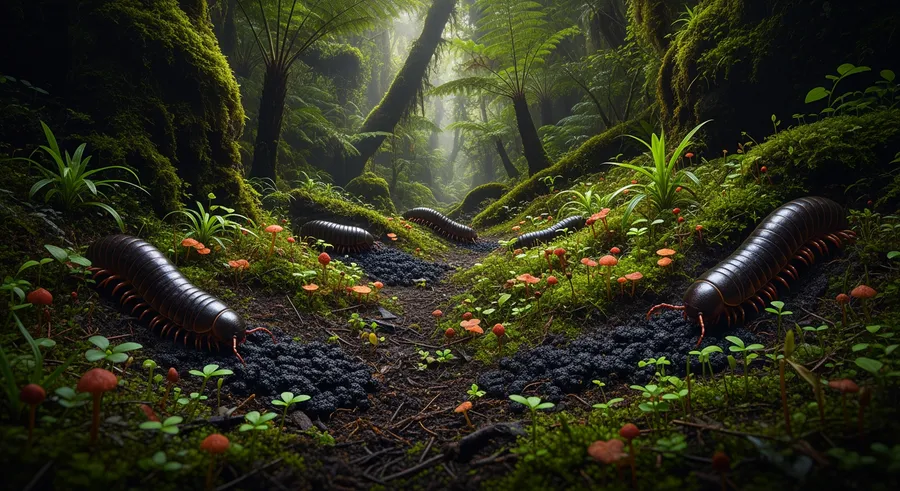
Feces contribute to nutrient cycling and plant growth.
🇺🇸 Real-world Implications of Fossilized Poop
Understanding this ancient role changes how we view ecosystems today too. By seeing how feces contributed to ancient life's expansion, we grasp their importance in nutrient cycles now as well. Farmers use animal dung as fertilizer for similar reasons even today. It's about maintaining soil health and boosting productivity naturally without synthetic chemicals. So the historical importance of feces still echoes in modern agricultural practices, showing that sometimes the simplest solutions are timeless.
🇪🇸 Implicaciones Reales del Excremento Fosilizado
Entender este papel antiguo cambia cómo vemos los ecosistemas actuales también. Al ver cómo las heces contribuyeron a la expansión de la vida antigua, comprendemos su importancia en los ciclos de nutrientes actuales también. Los agricultores usan estiércol animal como fertilizante por razones similares incluso hoy en día: mantener la salud del suelo y aumentar la productividad naturalmente sin químicos sintéticos.


Cross-section shows how feces aid nutrient cycling.
🇺🇸 Unexplored Mysteries About Ancient Feces
Several questions remain open here though. How exactly did these feces interact with other elements in the environment? Nobody knows yet how many types of nutrients were transported this way either. One last puzzle is why some areas benefited more than others from these ancient deposits.
🇪🇸 Misterios Inexplorados sobre las Heces Antiguas
Quedan varias preguntas sin respuesta aquí todavía. ¿Cómo interactuaban exactamente estas heces con otros elementos del entorno? Tampoco se sabe cuántos tipos de nutrientes se transportaron así exactamente aún hoy ni por qué algunas áreas se beneficiaron más que otras con estos depósitos antiguos.
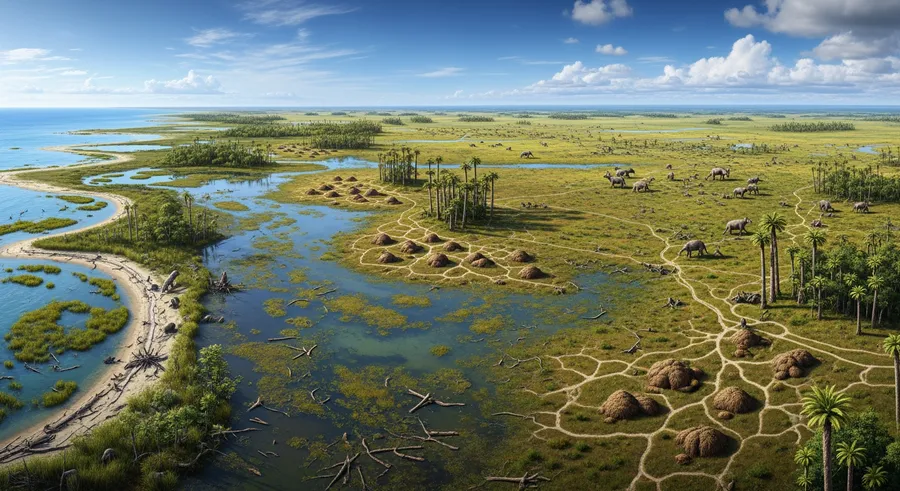
Feces played a role in spreading life across ecosystems.
🔗 Related Articles | Artículos Relacionados
Nuestro canal transmite datos curiosos de ciencia, IA, espacio y tecnología las 24 horas. | Our channel streams science facts, AI, space and technology around the clock.
▶ Ver transmisión | Watch liveOPEN YOUR MIND
Source: Source
Join the conversation