Can SpaceX's AI Data Centers Thrive in Orbit?
Can SpaceX's AI Data Centers Thrive in Orbit?
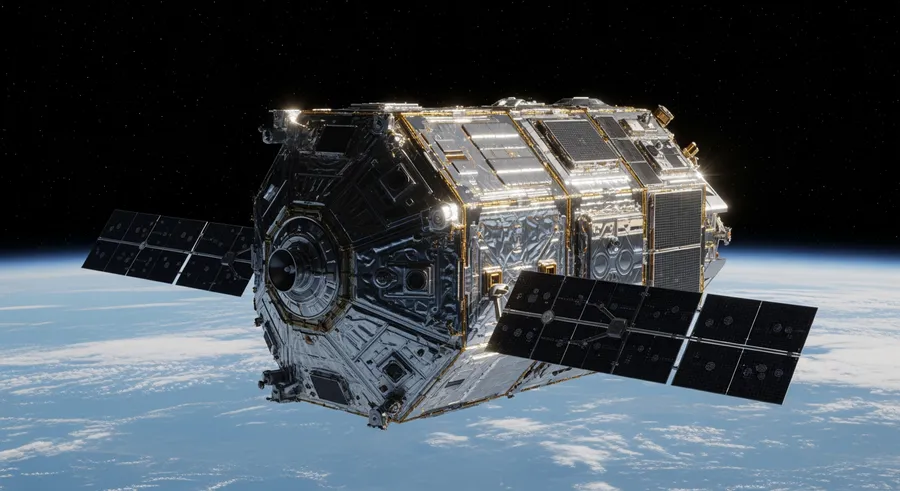
SpaceX AI data center module orbits Earth, reflecting sunlight.
🇺🇸 SpaceX and Their Orbital Ambitions
So SpaceX is looking to build data centers in orbit. It is not just to show off. They are driven by this massive demand for computing power thanks to AI. Earth-bound centers are struggling with energy and environmental issues. Up there, they can harness solar power like never before, way beyond what we do here. But let us be real, space is harsh. Cooling systems are a challenge above the atmosphere. It will not be cheap either, even with reusable rockets. You have radiation, debris traveling at insane speeds, and maintenance becomes a whole new game. The discovery here is not just about tech, but about ambition meeting reality.
🇪🇸 Las Ambiciones Orbitales de SpaceX
SpaceX está planeando construir centros de datos en órbita. No es solo para presumir. La demanda de poder de cómputo impulsada por la inteligencia artificial es enorme. Los centros en la Tierra enfrentan problemas energéticos y ambientales. En el espacio, podrían aprovechar la energía solar sin comparación, mucho más allá de lo que podemos aquí abajo. Pero hay que ser realistas, el espacio es severo. Los sistemas de enfriamiento son otro reto fuera de la atmósfera terrestre. Y no será barato, incluso con cohetes reutilizables. Además del tema de la radiación y los escombros espaciales viajando a velocidades increíbles, el mantenimiento se vuelve un desafío completamente nuevo. Esta búsqueda no solo trata de tecnología, también de ambición enfrentando la realidad.
Como Afiliado de Amazon, obtengo ingresos por las compras adscritas que cumplen los requisitos aplicables.

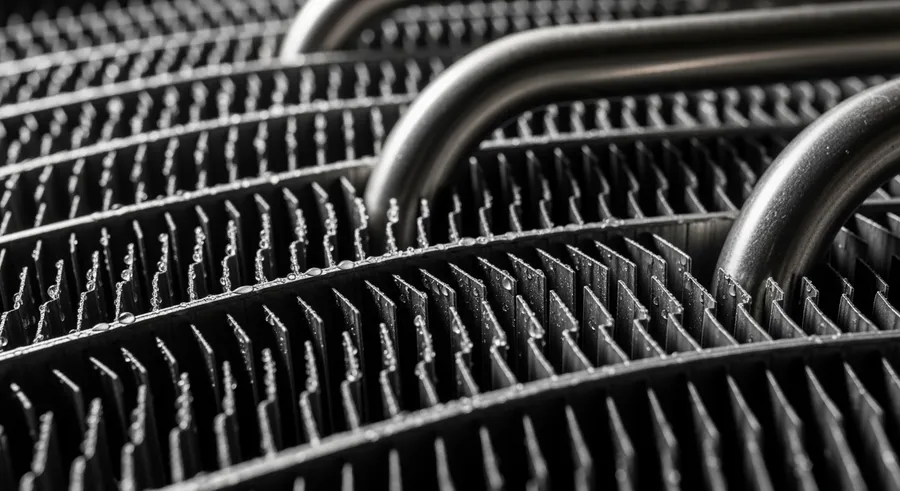
Detailed view of the cooling system in the SpaceX data center.
🇺🇸 Earthly Struggles and New Opportunities
Before SpaceX's venture into space-based data centers, Earth already had its share of computing dilemmas. Data centers consume large amounts of energy and generate heat that requires cooling systems which in turn use more power. These centers were often criticized for their environmental footprint. People knew about these problems for years but did not expect immediate solutions from space initiatives. The concept of tapping into solar energy has been tossed around but remained mostly theoretical until now. What SpaceX is doing feels different because it is grounded in both necessity and possibility. The drive to overcome earthly limitations has always existed but the scale and urgency are new.
🇺🇸 Luchas Terrenales y Nuevas Oportunidades
Antes del proyecto de SpaceX para centros de datos espaciales, ya se conocían los problemas relacionados con los centros de datos en la Tierra. Estos lugares consumen enormes cantidades de energía y generan calor que necesita ser enfriado por sistemas que a su vez usan más energía. Por años se criticó su impacto ambiental y se sabía que había problemas pero las soluciones inmediatas desde el espacio no estaban en mente. Aprovechar energía solar fue una idea teórica hasta ahora. Lo que SpaceX propone parece diferente porque responde a la necesidad y posibilidad al mismo tiempo. La necesidad de superar limitaciones terrenales siempre ha existido pero la escala y urgencia son nuevas.

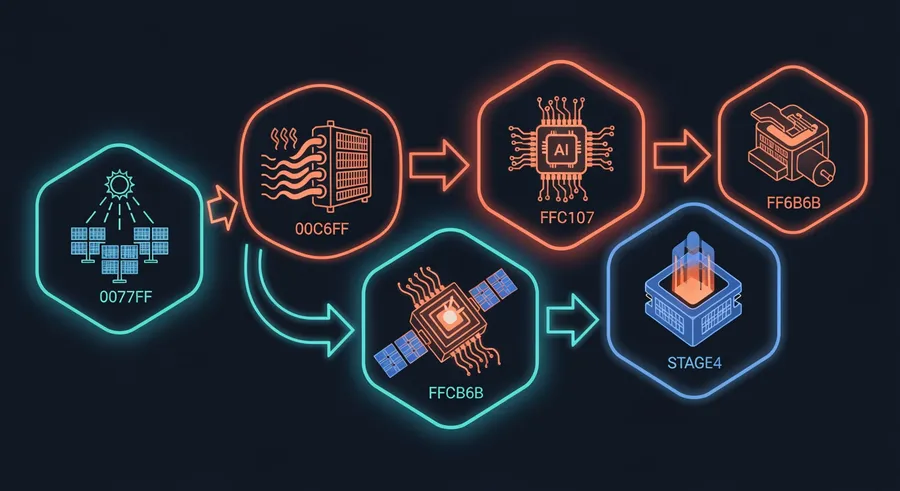
Diagram shows internal components of SpaceX AI data center.
🇺🇸 Harnessing Energy in Space
How would these orbital data centers work exactly? Solar panels would capture the sun’s energy without atmospheric interference which gives them a big advantage over ground-based systems that deal with weather and night cycles. In orbit, the sun is almost always shining which lets you maximize the energy capture potential almost relentlessly. Cooling might use radiative techniques to dissipate heat into space itself since there is no air to conduct heat away like on Earth. However, there are hurdles such as shielding equipment from cosmic radiation and managing orbital debris collisions which could quickly turn catastrophic if not planned meticulously.
🇪🇸 Aprovechando la Energía en el Espacio
¿Cómo funcionarían exactamente estos centros de datos orbitales? Los paneles solares capturarían energía del sol sin interferencias atmosféricas lo que da una ventaja significativa sobre los sistemas terrestres que dependen del clima y los ciclos nocturnos. En órbita, el sol brilla casi siempre lo que permite maximizar el potencial energético casi constantemente. El enfriamiento podría usar técnicas radiativas para disipar calor hacia el espacio ya que no hay aire como en la Tierra para conducir este calor lejos. No obstante hay retos como proteger los equipos contra la radiación cósmica y gestionar las colisiones con escombros orbitales lo cual podría volverse catastrófico rápidamente si no se planifica minuciosamente.

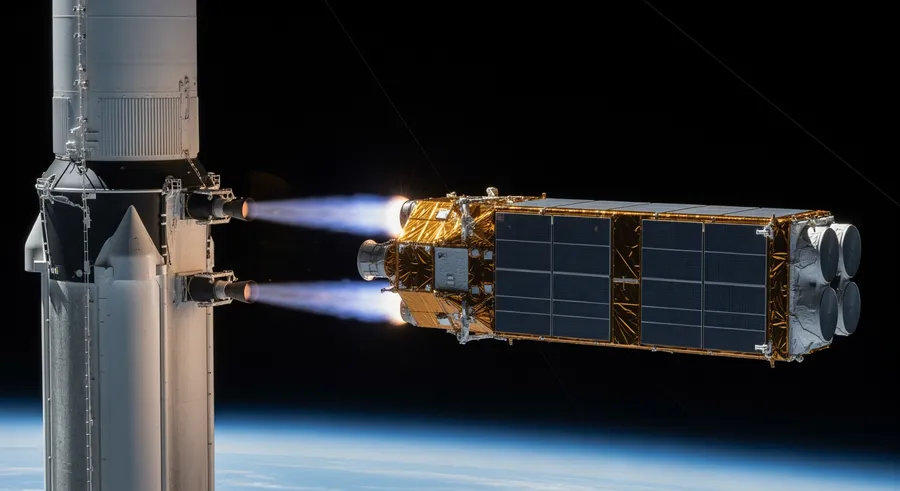
A SpaceX rocket deploys a data center module into orbit.
🇺🇸 Lingering Questions Awaiting Answers
Will cooling systems efficiently handle the vacuum of space? Engineers still need to measure actual performance under cosmic conditions versus theory before launching full-scale projects into orbit which could take years or maybe decades nobody knows how often maintenance missions will be needed given harsh space conditions or what protocols need tweaking to ensure safety with rising orbital debris challenges could further complicate logistics.
🇪🇸 Preguntas Sin Respuesta Aún Esperando Solución
¿Podrán los sistemas de enfriamiento manejar eficientemente el vacío espacial? Los ingenieros aún necesitan medir el rendimiento real bajo condiciones cósmicas antes de lanzar proyectos completos al espacio lo cual podría tomar años o incluso décadas nadie sabe cuántas misiones de mantenimiento serán necesarias dadas las condiciones adversas del espacio o qué protocolos deben ajustarse para garantizar seguridad con el aumento de desafíos relacionados con escombros orbitales podría complicar aún más la logística.

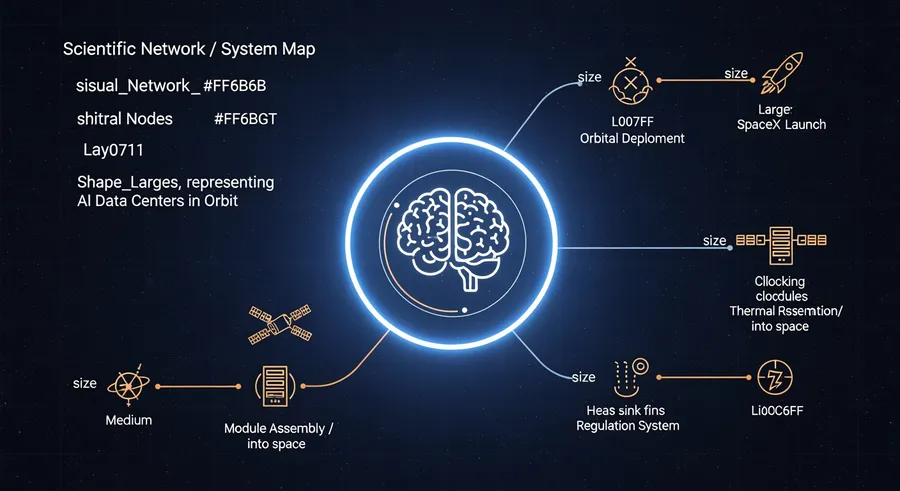
Steps from launch to operation of a data center module.
🔗 Related Articles | Artículos Relacionados
Nuestro canal transmite datos curiosos de ciencia, IA, espacio y tecnología las 24 horas. | Our channel streams science facts, AI, space and technology around the clock.
▶ Ver transmisión | Watch liveOPEN YOUR MIND
Source: Source
Join the conversation