Have We Searched the Galaxy for Aliens Already?
Have We Searched the Galaxy for Aliens Already?
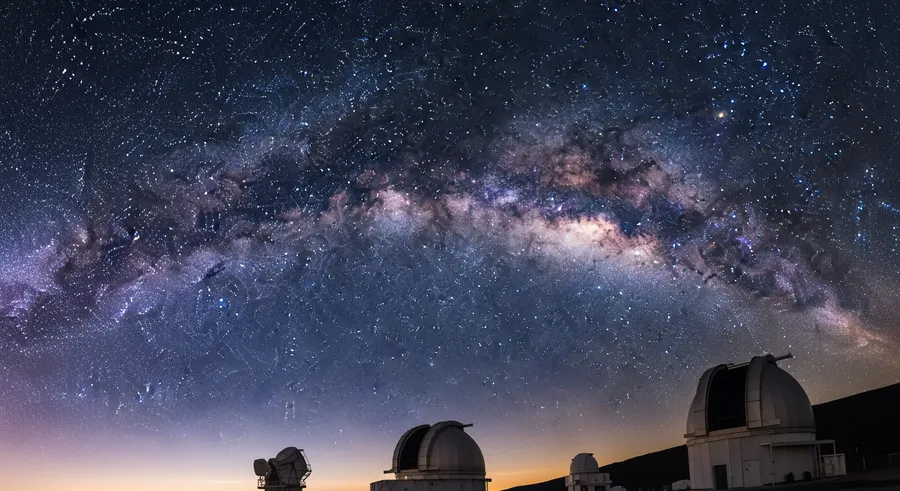
The Milky Way galaxy as seen from a remote observatory.
🇺🇸 A Surprising Turn in Our Search for Aliens
Astronomers recently realized something big. They might have scanned millions more stars than they thought in their hunt for extraterrestrial radio signals. How did this happen? While using sensitive telescopes, they accidentally gathered data from a wider area of the sky. This kind of unexpected bonus is not common, which is strange if you think about it. The realization has many scientists thrilled and re-examining previously collected data. Could there be signals hiding in plain sight? Maybe we missed something obvious because we assumed our search area was small. This surprise expands our sense of what we might find.
🇪🇸 Un Giro Sorprendente en la Búsqueda de Extraterrestres
Los astrónomos se llevaron una sorpresa. Sin darse cuenta, escanearon millones más de estrellas mientras buscaban señales de radio extraterrestres. ¿Cómo ocurrió esto? Al utilizar telescopios muy sensibles, accidentalmente captaron datos de una zona más amplia del cielo. Esta especie de bono inesperado no es común. Algunos científicos piensan que quizás haya señales ocultas que no hemos visto antes. La mayoría está emocionada y revisando datos antiguos con nuevos ojos. ¿Habremos pasado por alto algo por asumir que el área de búsqueda era menor? Este descubrimiento altera nuestras expectativas sobre lo que podríamos encontrar.
Como Afiliado de Amazon, obtengo ingresos por las compras adscritas que cumplen los requisitos aplicables.
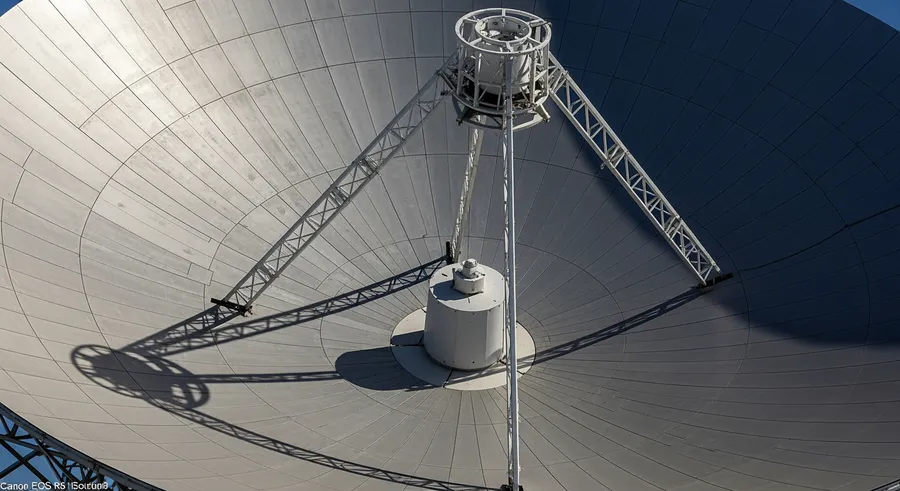
Detailed view of a radio telescope's reflective surface.
🇺🇸 Before the Revelation: Our Initial Efforts
Before this finding, things seemed straightforward. Astronomers aimed powerful telescopes at regions where they expected intelligent life might broadcast signals. They focused on stars similar to our Sun because that seemed logical. Many thought if aliens are out there, they must be near stars like our own. Projects like SETI have been doing this for years now, gathering data and analyzing it for patterns that could indicate technology. Everyone assumed the search area was narrow, focused, precise. And it turns out we may have been looking in more places than planned all along.
🇪🇸 Antes de la Revelación: Nuestros Primeros Intentos
Antes de este descubrimiento, las cosas parecían claras. Los astrónomos dirigían sus telescopios hacia zonas donde creían que la vida inteligente podría emitir señales. Se concentraban en estrellas parecidas a nuestro Sol porque eso parecía razonable. Se pensaba que si existían extraterrestres, estarían cerca de astros similares al nuestro. Proyectos como SETI llevan años haciendo esto, buscando patrones en los datos que indiquen tecnología alienígena. Todo el mundo asumía que el área de búsqueda era limitada y precisa. Pero parece que hemos estado mirando en más lugares de lo que originalmente planeamos.

Steps in scanning the galaxy for extraterrestrial signals.
🇺🇸 The Mechanics Behind the Serendipity
So how did this happen mechanically? When using wide-field telescopes, astronomers can capture a lot more than intended just because of how wide those fields are. These telescopes were designed to scan large parts of the sky quickly and efficiently. While focusing on specific stars, they inadvertently gathered information from adjacent stars too. The sheer sensitivity of modern instruments means capturing more data than one might think possible at first glance. It is like casting a net meant for bass and catching a few trout by accident because the net is just that big.
🇪🇸 La Mecánica detrás del Azar
¿Cómo ocurrió esto en realidad? Los telescopios de campo amplio pueden capturar mucho más de lo planeado simplemente por su amplitud. Están diseñados para escanear grandes partes del cielo rápida y eficientemente. Al apuntar a estrellas específicas, también recogen datos adyacentes sin darse cuenta. La sensibilidad actual de estos instrumentos permite capturar más información de la imaginada al principio. Es como lanzar una red para pescar solo bajo ciertas condiciones y terminar atrapando especies diferentes porque la red es demasiado grande.


Astronomers work on equipment to scan for alien signals.
🇺🇸 Tangible Consequences of the Discovery
This discovery changes several things on the ground level for scientists involved in the search for alien life. Researchers now have a vastly larger dataset to analyze than initially anticipated. They are revisiting previous assumptions and recalibrating their models based on the newfound volume of data. New methods might emerge for sorting through this information more effectively and efficiently over time as techniques improve. It could save substantial resources since the data has already been collected and just needs fresh eyes to be re-examined properly.
🇪🇸 Consecuencias Tangibles del Descubrimiento
Este hallazgo cambia varias cosas para los científicos dedicados a la búsqueda de vida extraterrestre. Ahora tienen un conjunto de datos mucho mayor del esperado para analizar minuciosamente. Están revisando suposiciones previas y ajustando sus modelos basados en el volumen recién descubierto de información capturada sin saberlo antes. Podrían surgir nuevos métodos para clasificar estos datos con mayor efectividad y eficiencia conforme mejoran las técnicas empleadas por los investigadores a medida que pasa el tiempo.

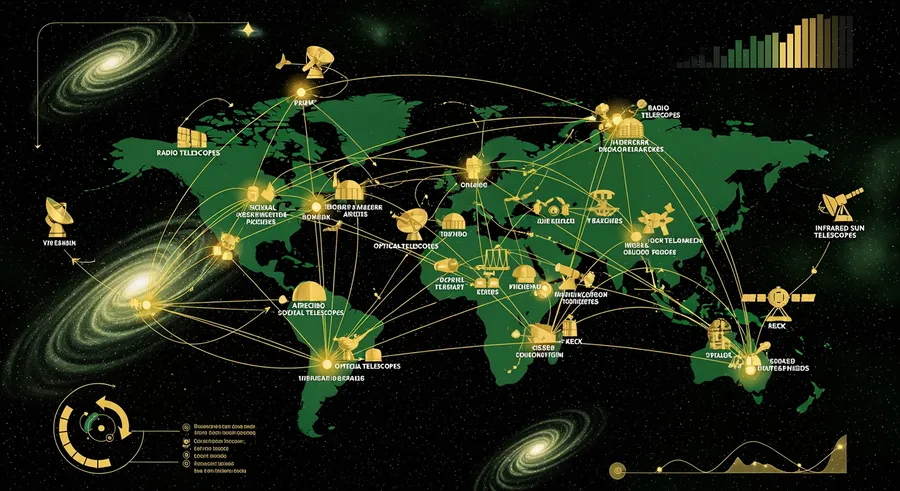
Map of global telescope network searching for aliens.
🇺🇸 What We Still Do Not Know About Alien Searches
How many stars did we actually scan with this accidental bonus? Is there a chance that some signals already detected were falsely ignored as noise? What would be the most efficient way to reprocess this expanded dataset without missing anything crucial?
🇪🇸 Lo Que Aún No Sabemos Sobre la Búsqueda Alienígena
¿Cuántas estrellas realmente escaneamos gracias a este bono accidental? ¿Podrían algunas señales detectadas haber sido ignoradas como ruido sin querer? ¿Cuál sería el modo más eficiente para reprocesar estos datos ampliados sin pasar por alto algo fundamental?
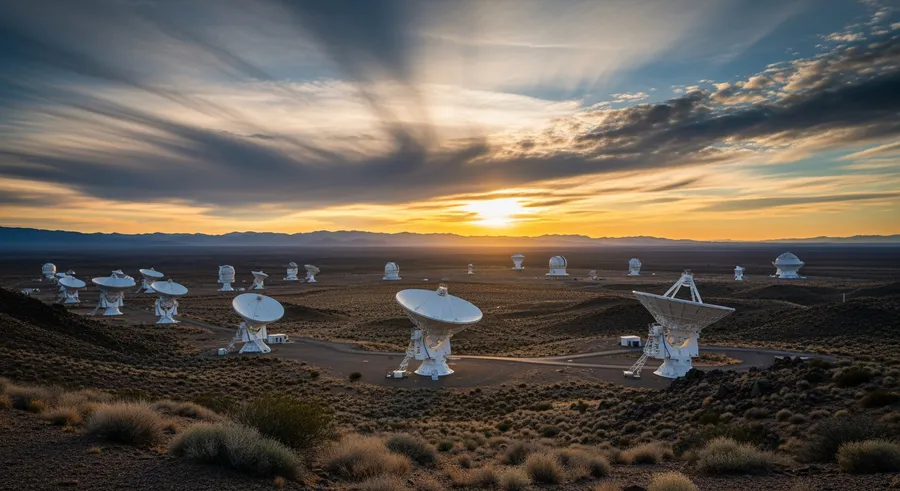
A desert observatory with multiple radio telescopes.
🔗 Related Articles | Artículos Relacionados
Nuestro canal transmite datos curiosos de ciencia, IA, espacio y tecnología las 24 horas. | Our channel streams science facts, AI, space and technology around the clock.
▶ Ver transmisión | Watch liveOPEN YOUR MIND
Source: Source
Join the conversation