NASA's Telescope From Dark Energy to Asteroids
NASA's Telescope From Dark Energy to Asteroids
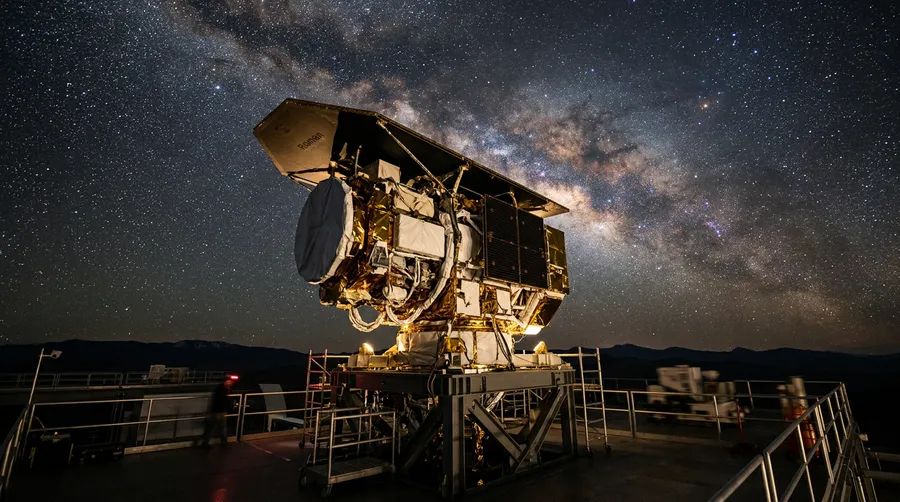
The Roman Telescope set against the starry Milky Way.
🇺🇸 NASA's New Eye on the Cosmos
At the end of August, NASA plans to launch the Nancy Grace Roman Space Telescope from Florida. It's a big deal. Not just another satellite in space. This telescope is designed to uncover secrets from dark energy to asteroids. Why does this matter? Because dark energy is like 70 percent of the universe. Yet we know so little about it. The telescope is equipped with advanced technology to help researchers figure out how dark matter acts as a glue, holding galaxies together. And there’s more; it doesn't stop at cosmic mysteries. It will also scan for asteroids that could pose threats to Earth, like having a multi-tasking celestial detective.
🇪🇸 El nuevo ojo de NASA en el cosmos
Al final de agosto, NASA tiene previsto lanzar el Telescopio Espacial Nancy Grace Roman desde Florida. Este no es solo otro satélite. Diseñado para descubrir secretos desde la energía oscura hasta los asteroides, es importante porque la energía oscura constituye el 70 por ciento del universo y sabemos tan poco al respecto. Equipado con tecnología avanzada, ayudará a los investigadores a entender cómo la materia oscura actúa como pegamento cósmico. Pero eso no es todo; también buscará asteroides que podrían amenazar a la Tierra. Una especie de detective cósmico multitarea.
Como Afiliado de Amazon, obtengo ingresos por las compras adscritas que cumplen los requisitos aplicables.

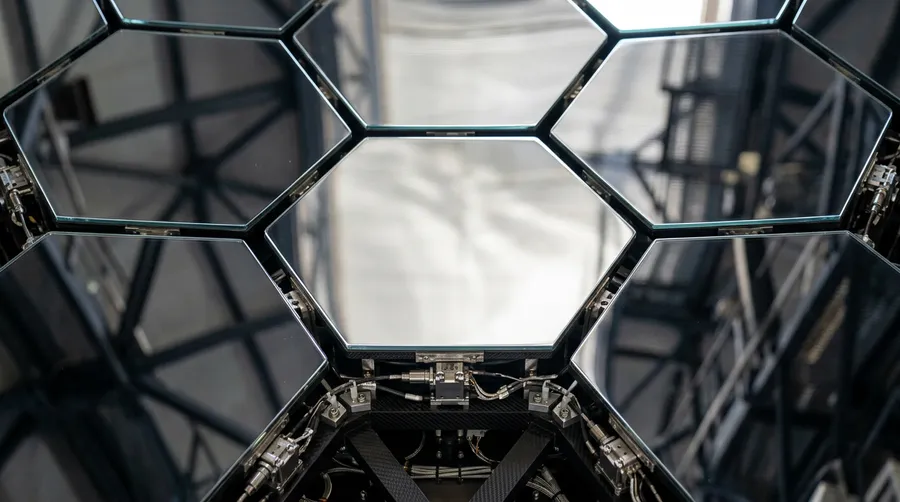
Close-up of the telescope's polished primary mirror.
🇺🇸 The Universe Before the Telescope
Before this telescope, scientists had glimpses of dark matter and energy but little else. Theories swirled around since scientists discovered galaxies spinning faster than they should in the 1970s. Why weren't they flying apart? That was the initial clue about dark matter providing extra gravity. Decades passed with only indirect evidence collected through cosmic microwave background radiation or gravitational lensing effects. Fascinating stuff but not quite enough to solve the puzzle. In recent years, space observatories like Hubble have given us better images and data but lacked tools for understanding dark energy directly.
🇪🇸 El universo antes del telescopio
Antes de este telescopio, los científicos solo tenían destellos de la materia y energía oscuras y nada más. Desde los años 70, al descubrir que las galaxias giraban más rápido de lo que deberían, comenzaron las teorías sobre la materia oscura generando más gravedad y evitando que las galaxias se dispersaran. Décadas pasaron con evidencia indirecta recogida mediante la radiación cósmica de fondo o efectos de lentes gravitacionales. Cosas fascinantes pero insuficientes para resolver el rompecabezas. En años recientes, observatorios espaciales como Hubble nos dieron mejores imágenes y datos aunque carecían de herramientas para entender directamente la energía oscura.

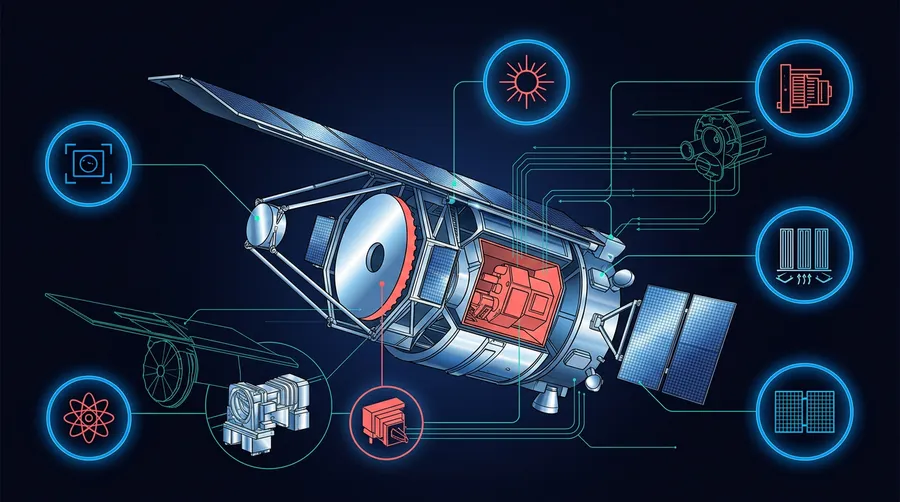
Component diagram of the Roman Space Telescope.
🇺🇸 How This Celestial Tool Works
Ever wonder how this thing will actually work? Well, the Nancy Grace Roman Space Telescope uses a technique called wide-field imaging. Think of it like having a superzoom camera but for space. It will capture enormous patches of the sky in one go, collecting data with unprecedented depth and clarity. And here's where it gets interesting: the telescope also employs a coronagraph instrument designed to block out starlight effectively so we can see even faint planets orbiting other stars. It’s all about gathering more light and more data quickly and efficiently.
🇪🇸 Cómo funciona esta herramienta celestial
¿Te preguntas cómo funcionará realmente? El Telescopio Espacial Nancy Grace Roman utiliza una técnica llamada imagen de campo amplio, como tener una cámara superzoom pero para el espacio. Capturará enormes secciones del cielo, recogiendo datos con una profundidad y claridad nunca vistas antes. Lo interesante es que el telescopio también cuenta con un coronógrafo diseñado para bloquear eficazmente la luz estelar y permitirnos ver incluso planetas débiles orbitando otras estrellas. Se trata de recolectar más luz y más datos rápida y eficientemente.

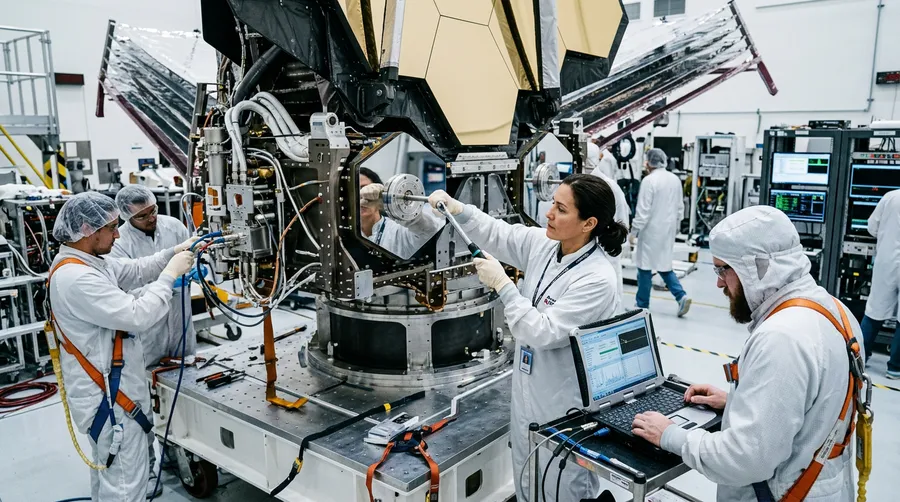
Final checks on the Roman Telescope before launch.
🇺🇸 Why You Should Care About Space Rocks
Asteroids are not just space rocks floating aimlessly. These things can be dangerous and potentially life-altering if they ever collide with Earth. The Roman Telescope aims to assess which ones are worth watching closely and which might pose a threat someday. By mapping asteroid trajectories in unprecedented detail, researchers can devise potential strategies for collision avoidance or mitigation long before danger strikes us at home here on Earth.
🇪🇸 Por qué deberías preocuparte por los asteroides
Los asteroides no son solo rocas espaciales flotando sin rumbo alguno. Pueden ser peligrosas y alterar nuestras vidas si llegaran a chocar con la Tierra algún día. El Telescopio Roman busca evaluar cuáles merecen seguimiento estrecho y cuáles podrían representar un peligro en el futuro. Al mapear las trayectorias de los asteroides con un detalle sin precedentes, los investigadores podrán desarrollar estrategias potenciales para evitar colisiones o mitigarlas mucho antes de que nos afecten aquí en casa.
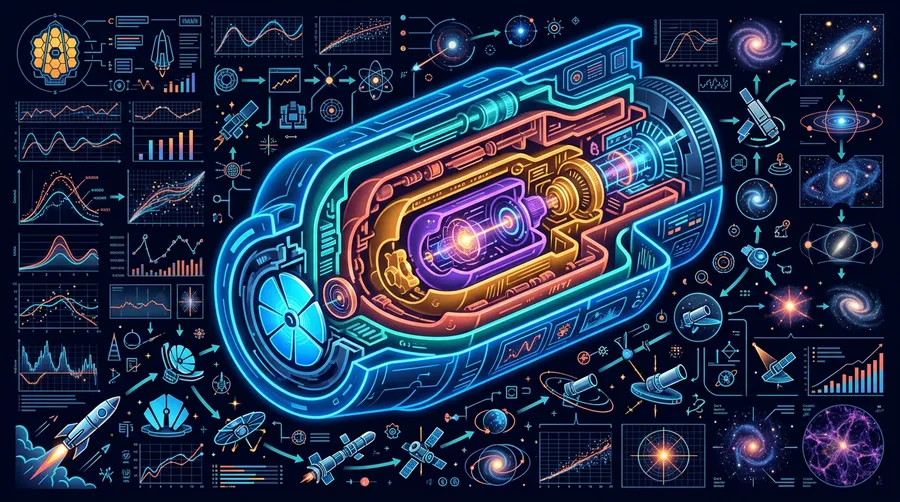
Flowchart of the telescope's mission objectives.
🇺🇸 What We Still Don't Know
So many questions remain despite all efforts so far. How exactly does dark energy affect galaxy formation? What specific properties does dark matter have under extreme conditions? How many potentially hazardous asteroids are yet undetected in our solar system?
🇪🇸 Lo que aún no sabemos
A pesar de todos los esfuerzos hasta ahora, quedan muchas preguntas sin respuesta clara: ¿Cómo afecta exactamente la energía oscura la formación galáctica? ¿Qué propiedades específicas tiene la materia oscura bajo condiciones extremas? ¿Cuántos asteroides potencialmente peligrosos quedan sin detectar en nuestro sistema solar?

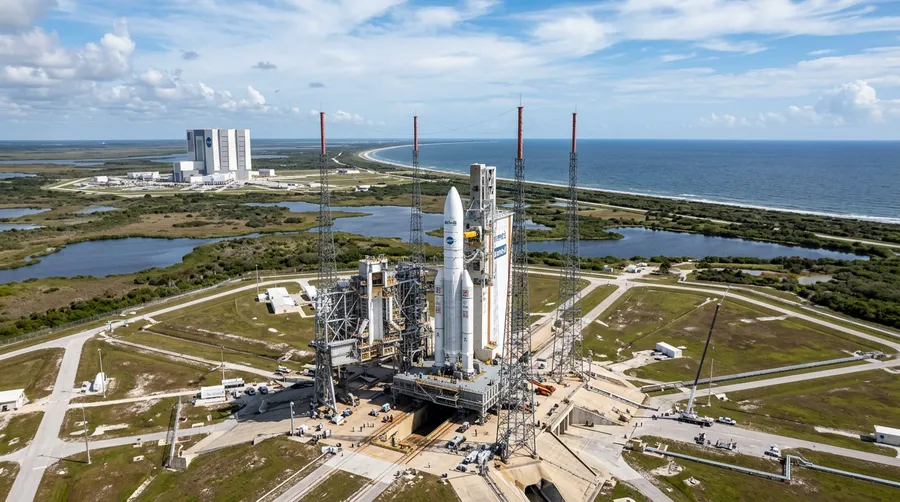
Telescope ready for launch at Kennedy Space Center.
🔗 Related Articles | Artículos Relacionados
Nuestro canal transmite datos curiosos de ciencia, IA, espacio y tecnología las 24 horas. | Our channel streams science facts, AI, space and technology around the clock.
▶ Ver transmisión | Watch liveOPEN YOUR MIND
Source: Source
Join the conversation