How the New AstroRad Vest Helps Protect Astronauts
How the New AstroRad Vest Helps Protect Astronauts
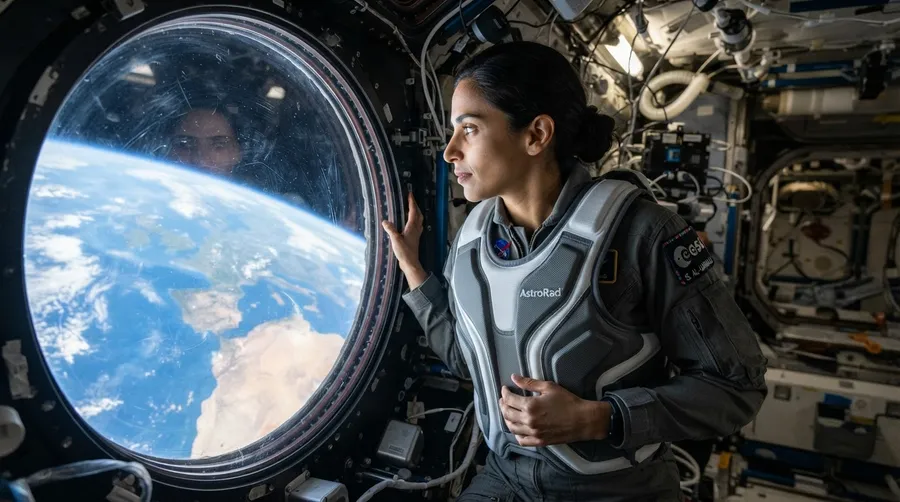
An astronaut wears the AstroRad vest while observing Earth from space.
🇺🇸 New AstroRad Vest Aims to Protect Astronauts
The AstroRad vest came out of a collaboration focused on one specific goal. Protecting astronauts from harmful space radiation during deep space missions. This is an urgent need given NASA's plans for Mars. The vest uses advanced materials to shield the body, which is strange, if you think about it. Because humans have never worn anything quite like it in space before. It's designed to fit snugly and protect vital organs, the most important being bone marrow. While it hasn't seen extensive testing yet, initial feedback suggests it could make missions safer. A big deal if you're spending months floating in a metal box millions of miles from Earth.
🇪🇸 El Nuevo Chaleco AstroRad para Proteger Astronautas
El chaleco AstroRad es resultado de una colaboración con un objetivo crucial. Proteger a los astronautas de la peligrosa radiación espacial en misiones más allá de la órbita terrestre. Especialmente importante considerando las futuras misiones a Marte que planea la NASA. Utiliza materiales avanzados para crear una barrera contra la radiación, algo nunca antes usado en el espacio. Se ajusta al cuerpo y protege órganos vitales como la médula ósea. Aunque no ha sido probado extensivamente, las primeras impresiones son prometedoras. Podría hacer las misiones más seguras para quienes pasan meses en un pequeño módulo a millones de kilómetros de casa.
Como Afiliado de Amazon, obtengo ingresos por las compras adscritas que cumplen los requisitos aplicables.

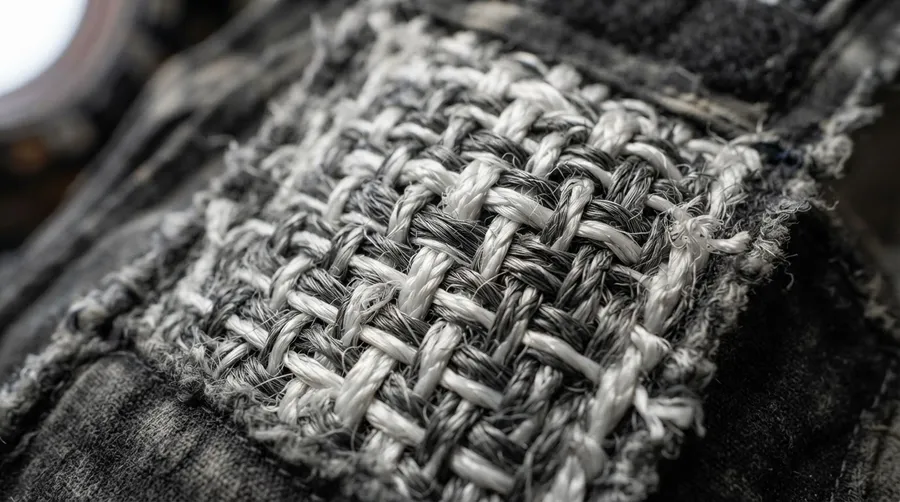
Detailed view of the AstroRad vest's protective fabric weaving.
🇺🇸 What We Knew About Space Radiation
Space radiation is a known threat but not fully understood. We knew that it can damage DNA and increase cancer risk. The cosmic rays and solar particles don't play around. They're incredibly energetic and come from all directions. Before the AstroRad vest, astronauts had limited options for protection beyond the spacecraft's walls and shielding which isn't enough for longer missions beyond Earth's magnetosphere. We'd been relying on hope and calculated risks more than we'd probably like to admit. This background sets the stage for why something like AstroRad is necessary.
🇪🇸 Lo Que Sabíamos Sobre la Radiación Espacial
La radiación espacial siempre ha sido una amenaza conocida pero complicada de estudiar por completo. Sabíamos que daña el ADN e incrementa el riesgo de cáncer en los astronautas. Los rayos cósmicos y partículas solares son muy energéticos y vienen de todas direcciones sin avisar. Antes del chaleco AstroRad, la protección se limitaba a las paredes del módulo espacial y ciertas protecciones que no bastan para misiones largas fuera del campo magnético terrestre. La realidad era que confiábamos demasiado en cálculos optimistas y un poco de suerte para protegernos.

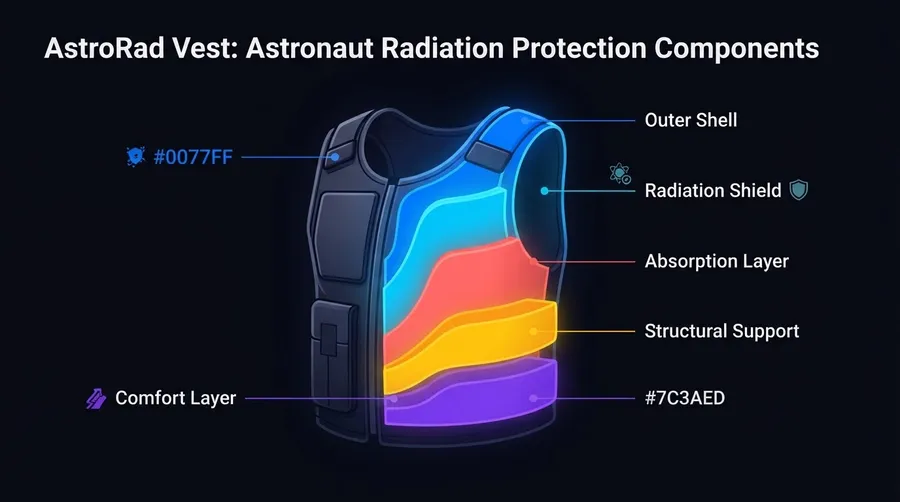
Diagram showing the layers and materials of the AstroRad vest.
🇺🇸 What Remains Unanswered About AstroRad
Many questions remain How does the vest perform in extreme temperatures nobody knows yet What happens when it's exposed to micro-meteoroids or other debris Could prolonged use affect its integrity These are questions researchers aim to tackle soon.
🇪🇸 Lo Que Aún No Sabemos Sobre AstroRad
Quedan dudas importantes ¿Cómo se comporta el chaleco en temperaturas extremas? Aún no lo sabemos ¿Qué pasa si lo golpean micrometeoritos o más basura espacial? ¿El uso prolongado podría afectar su integridad? Estas preguntas esperan respuesta pronta.

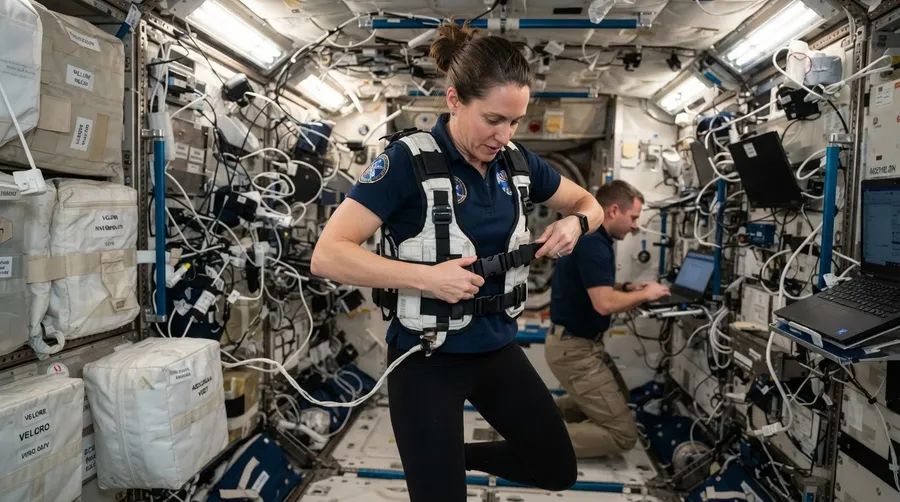
An astronaut puts on the AstroRad vest, adjusting its fit.
🔗 Related Articles | Artículos Relacionados
Nuestro canal transmite datos curiosos de ciencia, IA, espacio y tecnología las 24 horas. | Our channel streams science facts, AI, space and technology around the clock.
▶ Ver transmisión | Watch liveOPEN YOUR MIND
Source: Source
Join the conversation