Evaluating the Environmental Footprint of Robots
Evaluating the Environmental Footprint of Robots
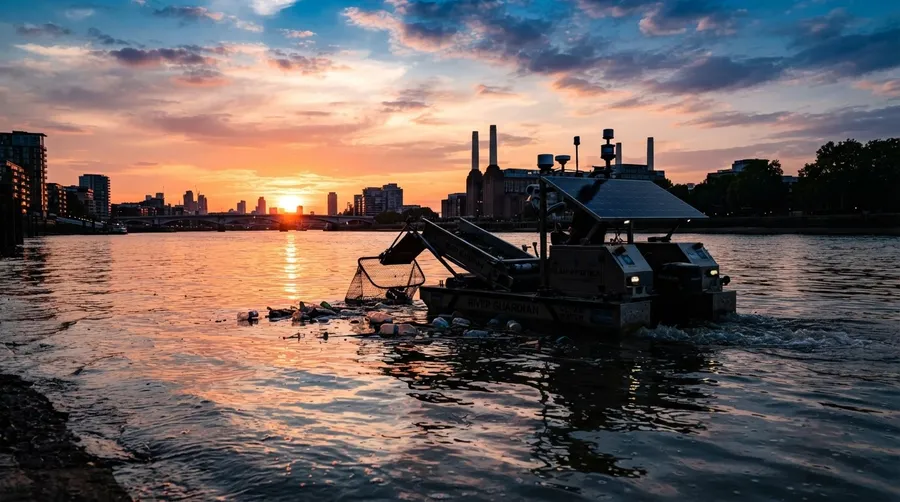
A robot cleans a river at sunset, highlighting its silhouette.
🇺🇸 The Discovery
People often assume robots are eco-friendly just because they clean rivers or sort waste. But each robot leaves its own footprint on the environment. A recent study looks into these footprints, showing us that even the greenest robots have hidden costs. The study found that building and running robots involves emissions, resource extraction, and energy consumption. It’s eye-opening when you think about it. We need to count all these hidden costs to understand their true impact. This discovery could push the robotics community to rethink designs and materials they use. Imagine designing robots in a way that really minimizes their environmental toll. That would be something to see.
🇪🇸 El Descubrimiento
A veces pensamos que los robots son ecológicos solo porque limpian o reciclan. Pero resulta que cada robot tiene su propia huella ambiental. Un estudio reciente revela estos impactos ocultos. La fabricación y operación de los robots implican emisiones y consumo de energía y recursos. Es curioso si lo piensas. Este descubrimiento podría llevar a la comunidad robótica a replantearse los materiales y diseños que emplean. Diseñar robots que realmente minimicen su impacto ambiental sería increíble de ver.
Como Afiliado de Amazon, obtengo ingresos por las compras adscritas que cumplen los requisitos aplicables.

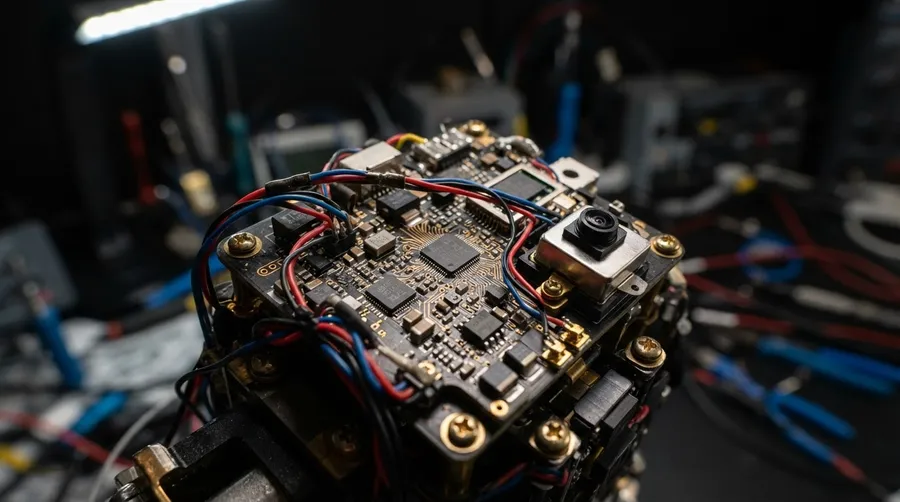
Close-up of a robot's intricate circuitry and sensors.
🇺🇸 What We Already Knew
Before this study, we already knew that making anything involves resources and energy. But with robots, the assumption was different because of their intended use for good. People thought of them as inherently green just because of their tasks. Robotics has been seen as a tool for sustainability before. Yet, previous data showed indicators of emissions from the manufacturing process itself. The industry has been aware but maybe overlooked these aspects because of focusing on benefits over direct costs.

🇪🇸 Lo Que Ya Sabíamos
Antes de este estudio, era conocido que fabricar cualquier cosa consume recursos y energía. Pero con los robots asumimos que eran diferentes por sus propósitos nobles. La robótica ha sido vista como herramienta de sostenibilidad. Aun así, datos anteriores indicaban emisiones durante la fabricación de los propios robots. La industria estaba consciente, pero tal vez se enfocó más en los beneficios que en los costos directos.
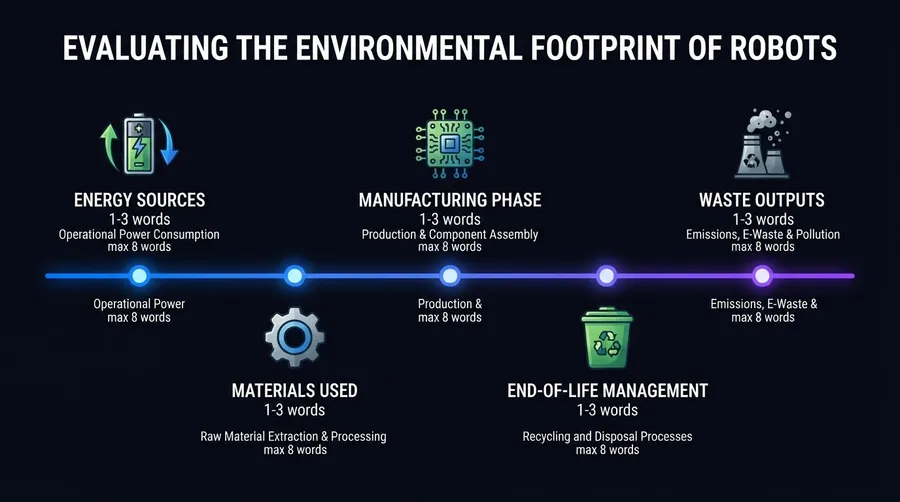
Diagram of a robot's environmental components.
🇺🇸 The Mechanics Behind It
Let's get into how this footprint happens mechanically. When building a robot, you need metals, plastic, and rare materials like lithium for batteries. Each material has its own extraction and processing needs which use energy and create waste. Running these machines also involves servers and cooling systems that consume power 24/7. Think about how a single bolt comes to be part of a robot — from mining to molding to assembly — each step adds up in terms of emissions and waste products.

🇪🇸 La Mecánica Detrás de Esto
Veamos cómo ocurre esta huella desde lo mecánico. Al construir un robot se necesitan metales y plásticos y materiales raros como litio para las baterías. Cada uno tiene sus propias necesidades de extracción y procesamiento que consumen energía y crean desechos. Además están los servidores y sistemas de enfriamiento necesarios para operar estos robots que consumen energía constantemente. Desde la extracción hasta el ensamblaje final de una pieza, cada paso suma emisiones y desechos.
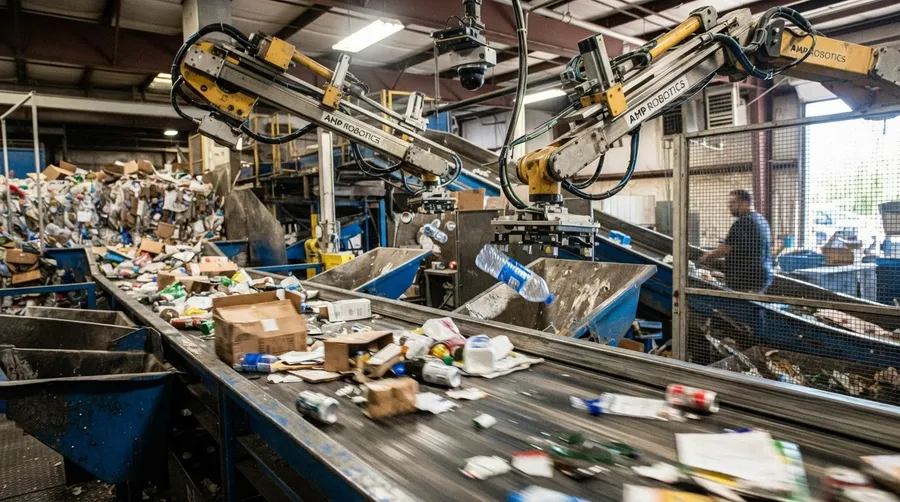
A robot sorts waste at a recycling facility.
🇺🇸 Real-World Consequences
This knowledge changes how we view eco-friendly tech. It's no longer just about what it does but also how it's made and maintained. Communities relying on robotic solutions for environmental cleanup may rethink what sustainability means in this context. Governments might push for regulations on production emissions or resource use in robotics manufacturing sectors. Real people working with or benefiting from such tech will now see both sides of the coin — potential benefits and hidden impacts that weren't obvious before.

🇪🇸 Consecuencias en el Mundo Real
Esta información cambia nuestra percepción sobre la tecnología ecológica. Ya no es solo lo que hace sino cómo se fabrica y mantiene. Las comunidades que dependen de estas soluciones robóticas pueden replantearse lo que significa la sustentabilidad en este contexto. Los gobiernos podrían impulsar regulaciones sobre las emisiones en producción o el uso de recursos en el sector robótico. Personas que trabajan con esta tecnología verán ahora tanto los beneficios como los impactos ocultos antes no tan evidentes.

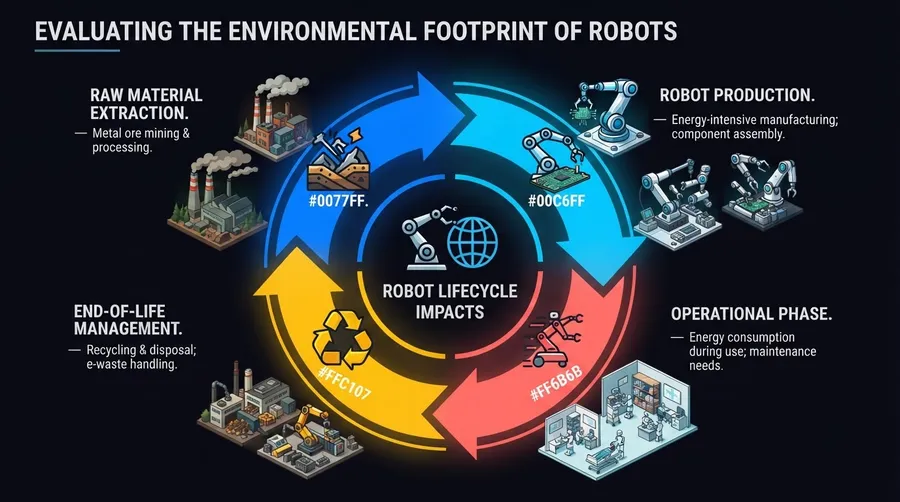
Lifecycle of a robot showing environmental impacts.
🔗 Related Articles | Artículos Relacionados
Nuestro canal transmite datos curiosos de ciencia, IA, espacio y tecnología las 24 horas. | Our channel streams science facts, AI, space and technology around the clock.
▶ Ver transmisión | Watch liveOPEN YOUR MIND
Source: Source
Join the conversation