Galápagos Plants Reveal Evolutionary Repetition
Galápagos Plants Reveal Evolutionary Repetition
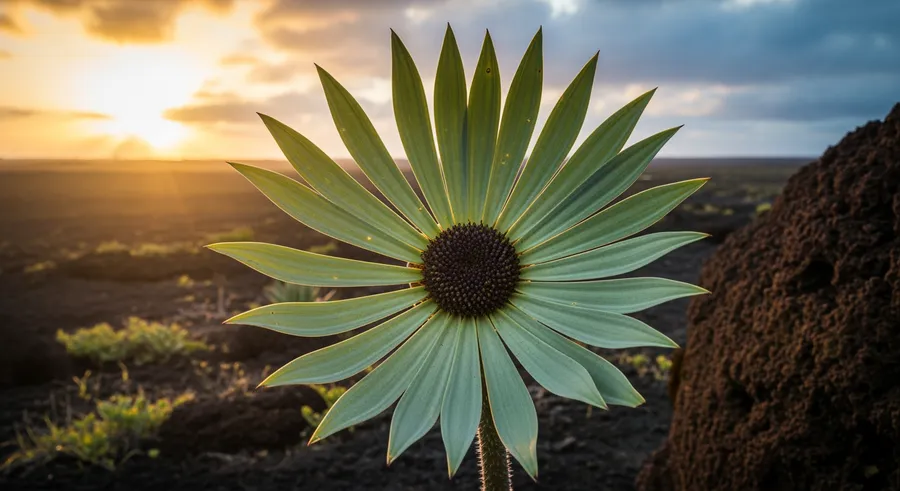
A giant daisy in the Galápagos with unique leaf adaptations.
🇪🇸 Unique Patterns in Galápagos Plants
In the Galápagos Islands, plants are revealing something odd and fascinating. Giant daisies on these islands have independently developed similar heat-tolerant leaf shapes across different lineages. This means that while they all ended up with leaves that can handle the heat, each lineage used a distinct set of genes to get there. That's pretty wild, if you think about it. It's like nature hit the same note through different instruments. Researchers also discovered major genetic differences among isolated populations of daisies. These differences suggest new species may be forming right now, which is intriguing but also kind of mind-boggling.
🇪🇸 Patrones Únicos en Plantas de Galápagos
En las Islas Galápagos, las plantas están mostrando algo tanto raro como fascinante. Las margaritas gigantes han desarrollado de manera independiente hojas tolerantes al calor similares, pero cada linaje usó diferentes genes para lograrlo. Mientras que todas terminan con hojas capaces de soportar el calor, cada grupo tomó un camino genético distinto. Este fenómeno es como si la naturaleza tocara la misma melodía en diferentes instrumentos. También se encontraron diferencias genéticas importantes entre poblaciones aisladas de margaritas que sugieren la formación de nuevas especies en este momento.
Como Afiliado de Amazon, obtengo ingresos por las compras adscritas que cumplen los requisitos aplicables.

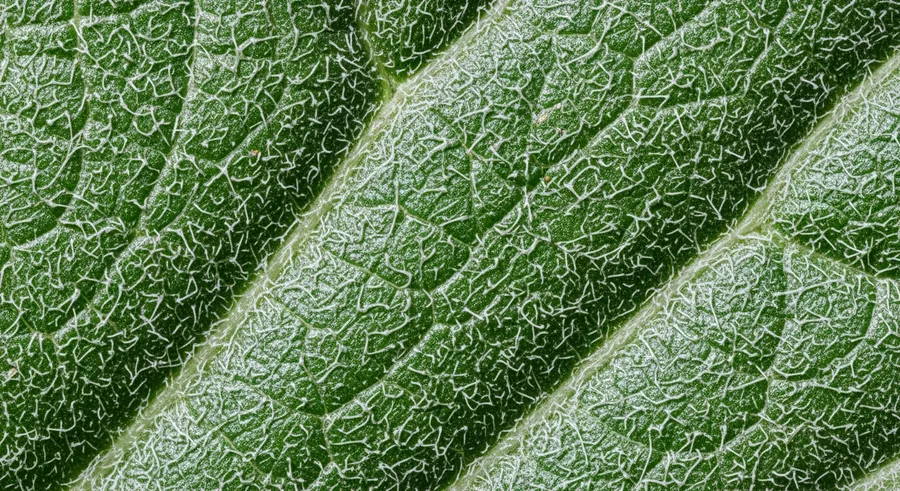
Detailed view of a giant daisy's heat-resistant leaf surface.
🇺🇸 Darwin's Legacy and the Botanical Layer
Darwin's finches taught us a lot about evolution. Everyone knows about those birds by now. But plants? Bit less on the radar, you know? In the past, we mostly looked at animal adaptations when discussing evolutionary processes in the Galápagos. Plants seemed more like background actors in this story. Now they're stepping into the spotlight too. Scientists have long known that environments exert selective pressures leading to adaptations and sometimes new species over time. It wasn't news that plants adapt too, but seeing this pattern repeat with plants challenges some basic assumptions.
🇪🇸 El Legado de Darwin y la Capa Botánica
Los pinzones de Darwin nos enseñaron mucho sobre la evolución hace más de 150 años. Pero las plantas no recibieron tanta atención en esa historia. Por mucho tiempo, los estudios sobre evolución en las Galápagos se centraron más en los animales que en las plantas. Los científicos ya sabían que los ambientes ejercen presiones selectivas resultando en adaptaciones y, a veces, nuevas especies con el tiempo. Sin embargo, ver este patrón repetirse en las plantas rompe algunas ideas preconcebidas que teníamos sobre cómo funciona realmente todo esto.


Diagram of genetic variations among Galápagos daisies.
🇺🇸 The Genetic Mechanism at Play
How do giant daisies develop those heat-loving leaves? It gets genetic and complex quickly. Each lineage taps into a unique combination of genes despite facing similar environmental pressures. Think of it like several chefs making bread from different recipes but ending up with similar loaves anyway. This genetic dance indicates that multiple evolutionary paths led to the same solution: heat tolerance. Sure, there's talk about gene pathways and expression here, but honestly, it's pretty dense stuff and hard to follow without getting lost in jargon.
🇪🇸 El Mecanismo Genético en Acción
¿Cómo desarrollan las margaritas gigantes sus hojas resistentes al calor? La respuesta es genética y bastante compleja rápidamente. Cada linaje utiliza una combinación única de genes aunque enfrentan presiones ambientales similares. Es como varios chefs cocinando pan con recetas diferentes pero logrando panes parecidos al final del día. Este baile genético sugiere que múltiples caminos evolutivos llevaron a la misma solución: la tolerancia al calor. Claro que hay detalles sobre rutas genéticas y expresión génica, pero honestamente es un tema denso y difícil de seguir sin perderse en tecnicismos.

Field analysis of giant daisy DNA using a genetic sequencer.
🇺🇸 Implications for Species and Beyond
So what does this mean for actual people or ecosystems? Well, discovering new potential species could change how we think about conservation in these islands. Each unique genetic path might need its own strategy for protection if we're serious about maintaining biodiversity there. And not just for scientists studying evolution either; this could affect local policies or even tourism practices in the future as well as inform agriculture in similar climates elsewhere.
🇪🇸 Implicaciones para Especies y Más Allá
¿Y qué significa esto para la gente o los ecosistemas? Descubrir potenciales nuevas especies podría cambiar cómo pensamos sobre la conservación en estas islas tan especiales y únicas. Cada camino genético único podría necesitar su propia estrategia si realmente queremos proteger la biodiversidad allí presente por muchos años más adelante también abriendo puertas para posibles cambios en políticas locales o prácticas turísticas así como informar la agricultura en climas similares fuera de las Islas Galápagos.


Flowchart of giant daisy leaf evolution through genetics.
🇺🇸 What We Still Don't Know
There's still a lot we don't fully understand here though that's for sure. How do these genetic changes actually kick off at first? Or how widespread is this phenomenon beyond giant daisies? There are more questions than answers right now which is both frustrating and exciting depending on how you look at it kind of like standing on the edge of an unsolved mystery that keeps pulling you back in to explore further until someday we piece together more of this puzzle unfolding under our noses.
🇪🇸 Lo Que Aún No Sabemos
Todavía queda mucho por descubrir aquí eso sí es cierto sin lugar a dudas además cuántos otros tipos de plantas podrían estar experimentando fenómenos similares fuera de las margaritas gigantes y cómo comienzan realmente estos. cambios genéticos desde cero inicialmente quedan muchas preguntas abiertas generando una mezcla de frustración e intriga dependiendo del punto de vista algo así como estar al borde de un misterio por resolver que sigue atrayendo. nuestra curiosidad constante hasta algún día armar más partes del rompecabezas desdoblándose ante nosotros mismos.

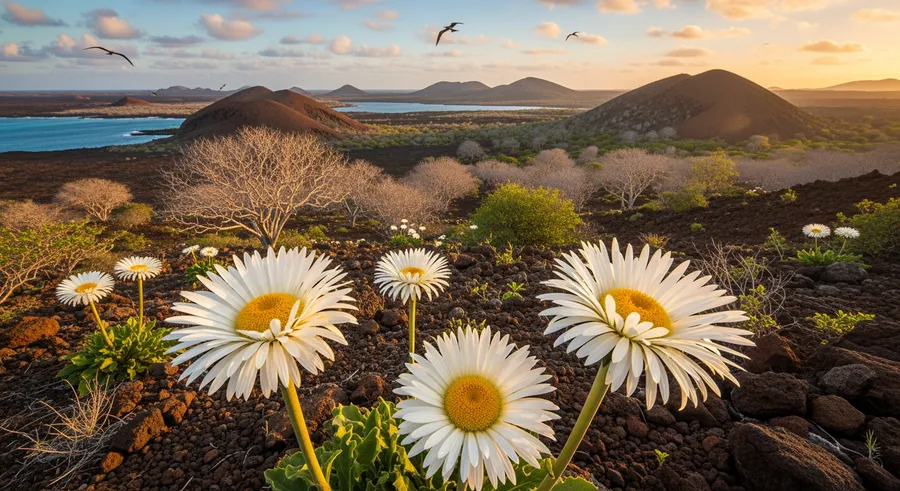
Giant daisies in their natural Galápagos habitat.
🔗 Related Articles | Artículos Relacionados
Nuestro canal transmite datos curiosos de ciencia, IA, espacio y tecnología las 24 horas. | Our channel streams science facts, AI, space and technology around the clock.
▶ Ver transmisión | Watch liveOPEN YOUR MIND
Source: Source
Join the conversation