A classic brain test exposed AI's biggest weakness
A classic brain test exposed AI's biggest weakness
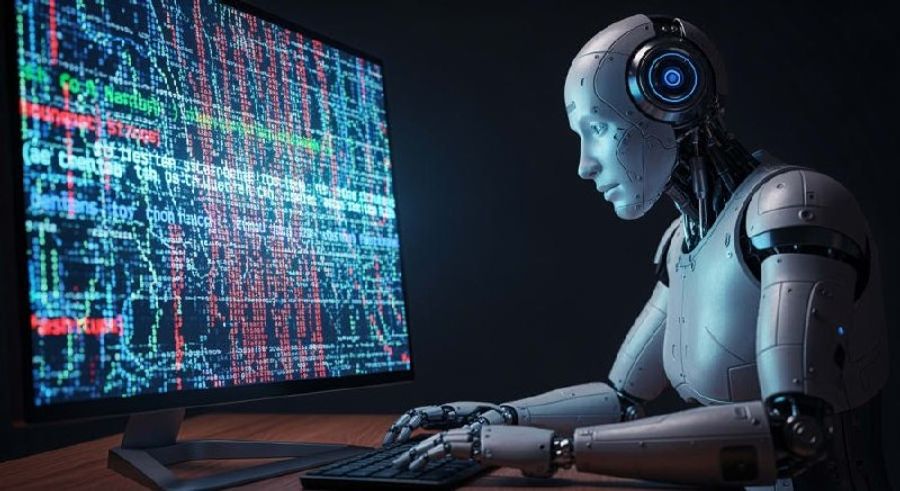
A humanoid robot processes a complex array of colored words.
🇺🇸 A shocking AI stumble in a brain test
So researchers tossed this classic attention test at top AI models. What happened? Chaos. The task was simple: name colors on a list. Easy, right? For short lists, sure, the AI nailed it with over 90 percent accuracy. But as the lists grew longer and more complex, things fell apart fast. Some systems just crumbled. From grace to nearly complete failure in seconds. How embarrassing for these so-called smart systems! This test exposed their Achilles' heel big time.🇪🇸 IA falló en una prueba de atención clásica
Los investigadores decidieron someter los modelos de IA a esta prueba clásica de atención y ¡pum! Sorpresa total. La tarea era sencilla: nombrar colores en una lista. Fácil... para listas cortas, todo bien; las IAs lograban más del 90 por ciento de precisión. Pero a medida que las listas se alargaban y complicaban, la cosa se ponía fea rápidamente. Algunos sistemas simplemente se derrumbaban ante nuestros ojos. De estrellas al desastre absoluto en cuestión de segundos.🇺🇸 The old news about attention tests
These types of attention tests are not new at all in psychology circles. Humans have struggled through them for decades as part of cognitive assessments or ADHD evaluations even before computers were a thing. They are great at showing how focus can waver when tasks get lengthy or complicated which makes sense really — the human brain isn’t exactly built for endless concentration marathons.🇪🇸 Lo que ya sabíamos sobre pruebas de atención
Estas pruebas a las que sometieron las IAs son viejas conocidas en el mundo de la psicología humana desde hace mucho tiempo sirven para evaluar el déficit de atención o como parte de evaluaciones cognitivas convencionales antes incluso de que existieran las computadoras han sido una forma efectiva de mostrar cómo la concentración puede flaquear cuando un ejercicio se hace largo o difícil no es raro considerando que nuestro cerebro no fue diseñado para concentrarse sin parar.🇺🇸 Understanding what went wrong inside the machine
Alright then what is happening inside that digital brain of theirs? Attention models like these rely on neural networks designed to mimic human thought processing but there's something up with memory and complexity here right? These systems use layers upon layers to digest data yet something happens when faced with lengthier challenges maybe it has to do with how they connect past information with present input perhaps there's just too much noise clogging their circuits who knows?🇪🇸 Qué está fallando dentro del cerebro digital
¿Qué está pasando en esos cerebros digitales entonces? Los modelos de atención dependen mucho de redes neuronales intentando imitar cómo procesamos información pero algo falla cuando llega el momento crítico la memoria y la complejidad les juegan una mala pasada parece ser eso al menos estas máquinas tienen capas sobre capas analizando datos pero enfrentadas a retos largos tal vez no pueden conectar bien lo pasado con lo presente o el ruido es demasiado obstáculo ¿quién sabe realmente?🇺🇸 Why this matters outside the lab walls
If AIs crash under pressure in such tests imagine real-world scenarios where they handle lots of info constantly education tools that personalize learning losing track during long lessons automated customer service making mistakes after too many interactions self-driving cars juggling tons of variables you get the picture humans behind technology need systems we trust every time everywhere especially when stakes are high this is not very reassuring right now🇪🇸 Por qué esto importa fuera del laboratorio
Si esas inteligencias artificiales colapsan bajo presión durante estas pruebas imagina escenarios reales donde manejan cantidades enormes de información constantemente herramientas educativas personalizando aprendizajes perdiéndose durante lecciones largas servicio automático al cliente cometiendo errores tras muchas interacciones coches autónomos lidiando con millones de variables ya entiendes humanos detrás necesitamos confiar cada vez más en estos sistemas especialmente cuando las apuestas son altas ahora mismo no resulta muy alentador🇺🇸 The questions still hanging over us
But what remains unclear is why exactly do these models struggle so hard only sometimes while acing simpler tasks other times inconsistent is an understatement here researchers will have to dig deeper into underlying architecture flaws or maybe entirely new tactics could be needed we are left guessing though one thing is certain our understanding of artificial intelligence obviously still has gaps that need filling🇪🇸 Las preguntas aún sin respuesta clara
Quedan varias incógnitas sobre por qué estos modelos fallan tan dramáticamente sólo algunas veces mientras otras aciertan tareas más simples inconsistentes como mínimo tendrán que investigar más profundamente posibles defectos arquitectónicos o quizá hacer falta tácticas completamente nuevas nos quedamos especulando aunque está claro que nuestro entendimiento sobre inteligencia artificial tiene huecos evidentes por cerrar🔗 Related Articles | Artículos Relacionados
OPEN YOUR MIND
Source: Source
Support Open Your Mind
If this article helped you, consider buying me a coffee.
Buy me a coffee
Join the conversation