Scientists say this algae could remove microplastics from drinking water
Scientists say this algae could remove microplastics from drinking water

🇺🇸 A New Algae in Town
Scientists whipped up a special algae mix that can yank microplastics out of water like they owe it money. Researchers developed these algae to tackle the growing issue of plastic pollution in our water systems. It's pretty wild if you think about it, because this algae doesn't just grab plastic; it actually clumps them together for easy removal. The team found that their engineered algae produce limonene. This is an oil that smells like oranges and helps bind to what scientists call hydrophobic microplastics — basically plastics that repel water. Once clumped, these plastics are way easier to filter from drinking water.🇪🇸 Las Nuevas Algas Maravilla
Científicos crearon un tipo de alga que puede sacar microplásticos del agua como si jugara con imanes. El equipo detrás de este desarrollo lo ideó específicamente para enfrentar el problema creciente de la contaminación plástica en nuestros sistemas acuáticos. Es loco pensar que las algas no solo agarran los plásticos sino que los agrupan en racimos fáciles de extraer del agua potable. Lo curioso es que producen un aceite llamado limoneno, conocido por ese aroma cítrico a naranja, que les ayuda a pegarse a los microplásticos hidrofóbicos — esos plásticos que repelen el agua.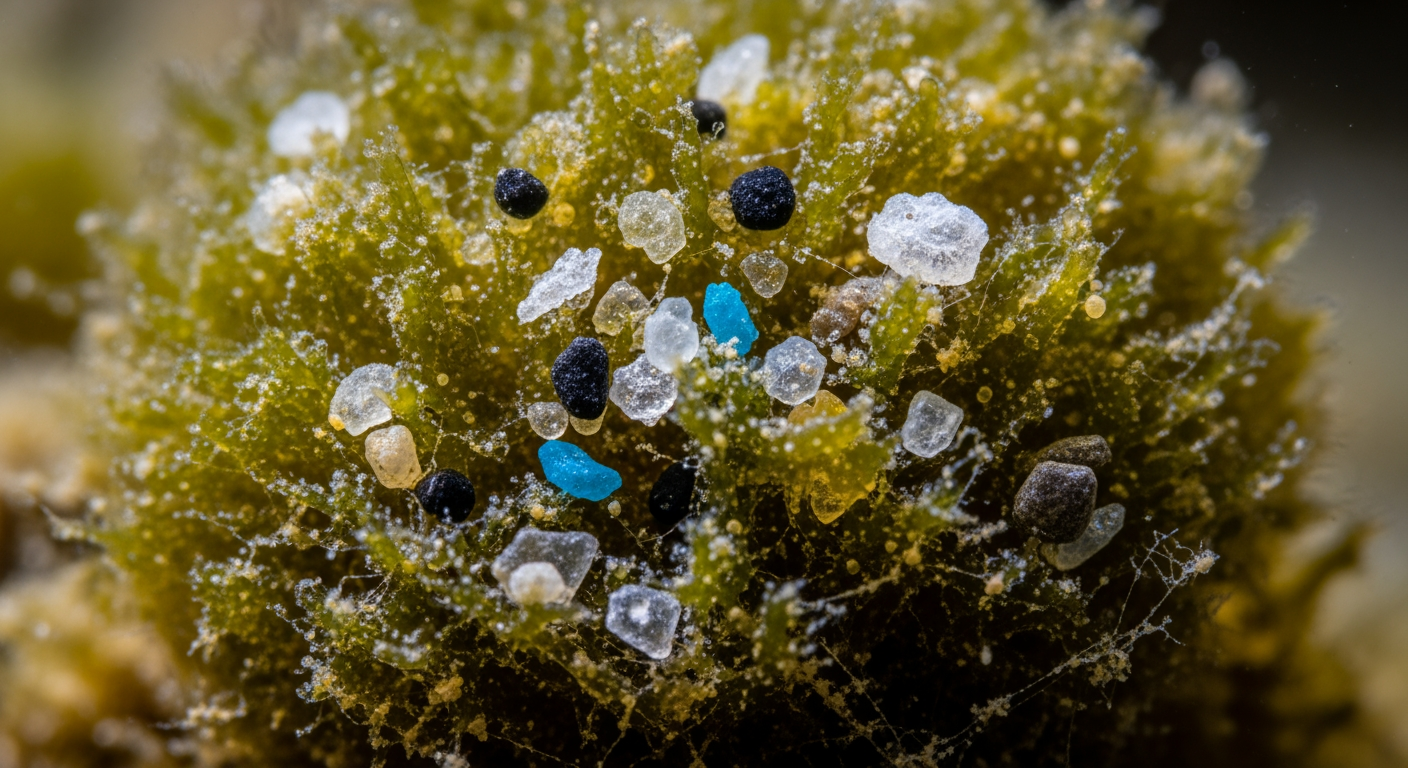
🇺🇸 The Background on Microplastics
So before this, we knew our oceans and rivers were swimming in microplastics — tiny pieces of plastic less than five millimeters long usually from larger debris breaking down or personal care products. These things are sneaky and end up not only in the ocean but also make their way into our drinking water supplies. People have been worried because these particles can be hard to filter out, and they potentially carry toxins or other harmful chemicals with them. They’ve even been found inside fish which means they could end up on your dinner plate.🇪🇸 Lo Que Sabíamos Antes Sobre Microplásticos
Antes de este descubrimiento, ya sabíamos que nuestros océanos y ríos estaban llenos de microplásticos — esas partículas diminutas de plástico menores a cinco milímetros provenientes generalmente de desechos mayores o productos personales al descomponerse. Lo preocupante es cómo se cuelan no solo en el mar sino también en nuestros suministros de agua potable, llevando consigo toxinas o sustancias químicas perjudiciales difíciles de filtrar completamente. Incluso han sido hallados dentro de peces lo cual significa que podrían llegar hasta tu plato durante la cena sin aviso alguno.
[ Scientific Visual Diagram | Diagrama Visual Científico ]
🇺🇸 Magnetism by Scent: How It Works
Let's break down how this works because I had to read it twice myself to wrap my head around it. These algae produce limonene thanks to some genetic tweaks by the researchers. Now limonene is naturally oily and has this cool ability to latch onto hydrophobic surfaces like those pesky microplastics floating around in the water supply which normally resist interacting with both water and most substances dissolved in it So when algae come into contact with them boom instant attraction happens forming bigger clusters that are easily removed.🇪🇸 Atracción Por Aroma: Funcionamiento del Proceso
Vamos a entender cómo hace esto porque tuve que releerlo varias veces para comprenderlo bien! Las algas generan limoneno gracias a retoques genéticos realizados por los investigadores Este compuesto tiene una propiedad aceitada natural y se conecta con facilidad a superficies hidrofóbicas como esos molestos microplásticos flotantes resistiéndose normalmente tanto al agua misma como otras cosas disueltas Aquellas están formando grandes conglomerados removibles cuando las algas establecen contacto entre ambos generando atracción inmediata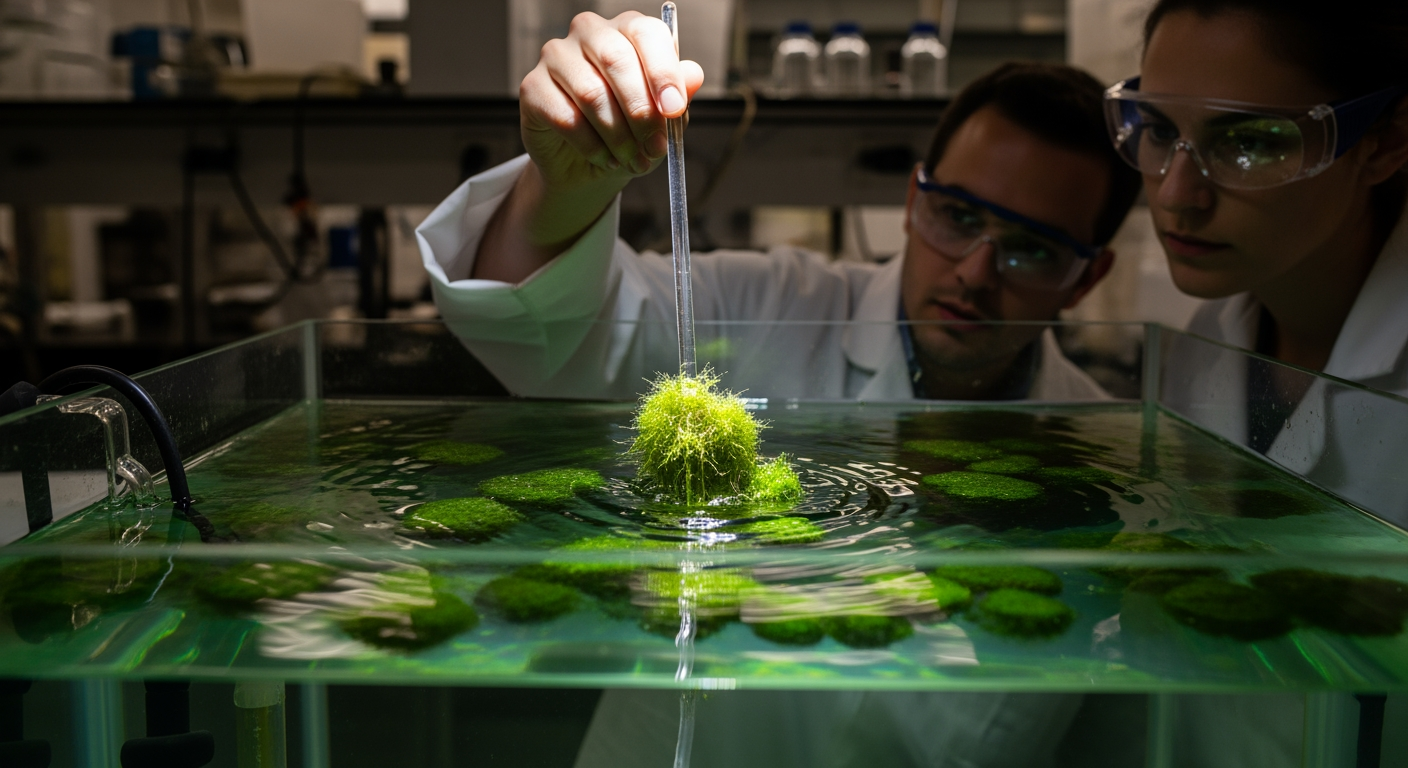
🇺🇸 Potential Impact on Water Quality
If this technique rolls out successfully we might see significant improvements in how clean our drinking water is despite ongoing pollution challenges So people living near polluted rivers or relying on imperfect municipal cleaning systems could get access to safer drinking sources Imagine not having to worry as much about what unseen contaminants lurk within every glass you pour However it's still early days so we'll have to wait for more real-world tests No miracles yet but promising steps🇪🇸 Impacto Potencial En La Calidad Del Agua
Si esta técnica se implementa correctamente podríamos notar mejoras significativas respecto a la pureza del agua potable incluso frente persistentes desafíos contaminantes Así quienes viven cerca ríos contaminados o dependen sistemas municipales poco eficientes lograrían acceso más seguro Imagínate no tener preocuparte tanto sabiendo ausencia infiltrados invisibles cada vaso sirves Sin embargo aún queda camino por recorrer esperando pruebas reales resultados definitivos No hay milagros inmediatos pero sí avances prometedores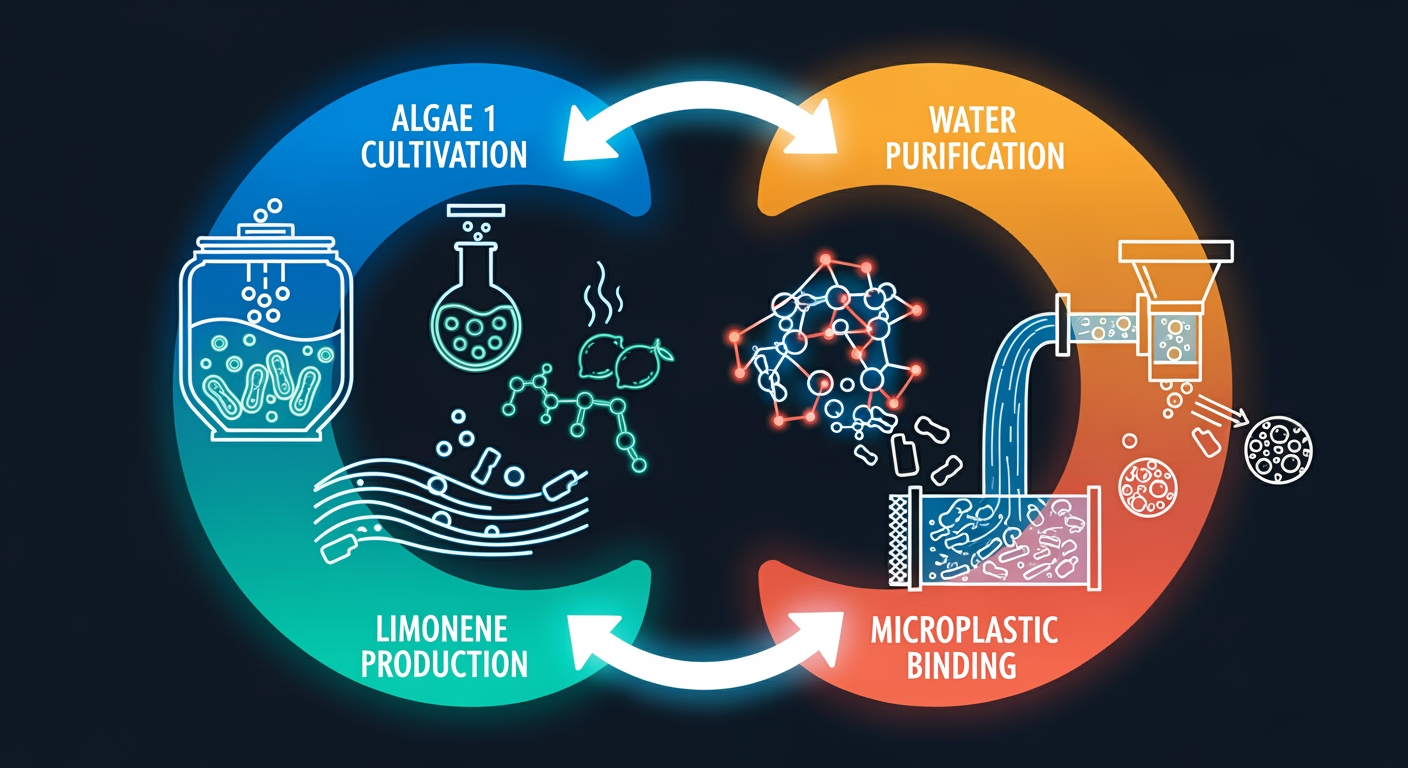
[ Scientific Visual Diagram | Diagrama Visual Científico ]
🇺🇸 What We Still Don't Know
But there's stuff we're not sure about yet How durable are these modified algae over time Could there be any unexpected side effects from releasing them into ecosystems designed just so Do they prefer certain conditions over others affecting their effectiveness And what about large-scale deployment would scaling up lead us into unforeseen issues The tech sounds great but lots still hangs up there unanswered Those question marks aren't trivial though Are they worth pursuing Absolutely🇪🇸 Lo Que Aún Ignoramos
Todavía existen incógnitas no aclaradas todopoderosas ¿Cuán duraderas resultan estas algas modificadas transcurrido tiempo Habrá efectos secundarios liberarles ecosistemas ajustados específicos Será igual eficaz bajo condiciones variables O qué pasará aplicándolo masivamente surgirán problemas insospechados Aunque esta tecnología promete respuestas sigue habiendo mucho sin resolver Y allí reside importancia crucial ¿Merece intentar descubrir Sí definitivamente
🔗 Related Articles | Artículos Relacionados
OPEN YOUR MIND
Source: Source
Support Open Your Mind
If this article helped you, consider buying me a coffee.
Buy me a coffee
Join the conversation