How to teach the same skill to different robots
How to teach the same skill to different robots
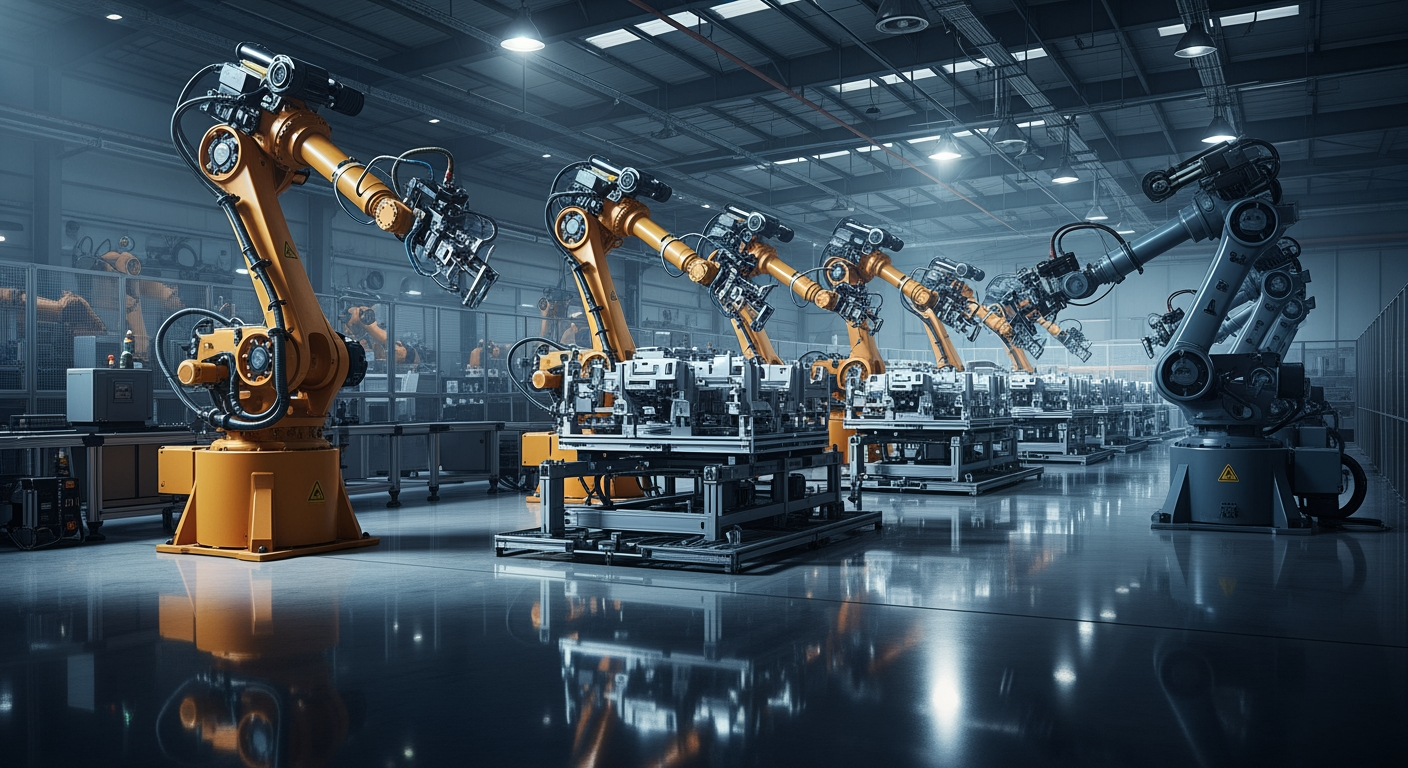
🇺🇸 Teaching Robots the Same Skill
Researchers at LASA EPFL figured out something pretty cool. They taught different robots to perform the same task on an assembly line, which is strange if you think about it because these robots don't look alike or even move in the same way. The trick was to use a method that focuses on what needs to be done rather than how each robot's parts work. Imagine each robot having different joints and movement limits, but still being able to do the job right. It is like teaching two people to tie their shoes when one only has one hand.🇪🇸 Cómo enseñar la misma tarea a diferentes robots
En el laboratorio de LASA EPFL descubrieron algo interesante. Lograron que robots distintos realizaran la misma tarea en una línea de ensamblaje. No es sencillo porque estos robots ni se parecen entre sí, ni se mueven igualito. La clave fue usar un método centrado más en la tarea que en las piezas del robot. Es como si le enseñas a dos personas a atarse los zapatos aunque una solo tiene una mano para hacerlo.
🇺🇸 What We Already Knew About Robot Programming
We knew robots could do amazing things on assembly lines for years now, but changing them up always felt like reinventing the wheel. Every time we got new models, it used to mean rewriting all those complicated code scripts just so they could keep up with what we needed them to do today versus yesterday. It is not just about swapping parts or adding new hardware; it’s like teaching a brand-new language because their old tricks don’t cut it anymore.🇪🇸 Lo que ya sabíamos sobre la programación de robots
Desde hace años sabemos que los robots son espectaculares en líneas de ensamblaje pero cada vez que hay modelos nuevos era volver a empezar desde cero con la programación. Cambiar esos códigos intrincados para que los nuevos robots supieran qué hacer era casi como enseñarles otro idioma porque sus viejos trucos ya no eran suficientes para las tareas actuales.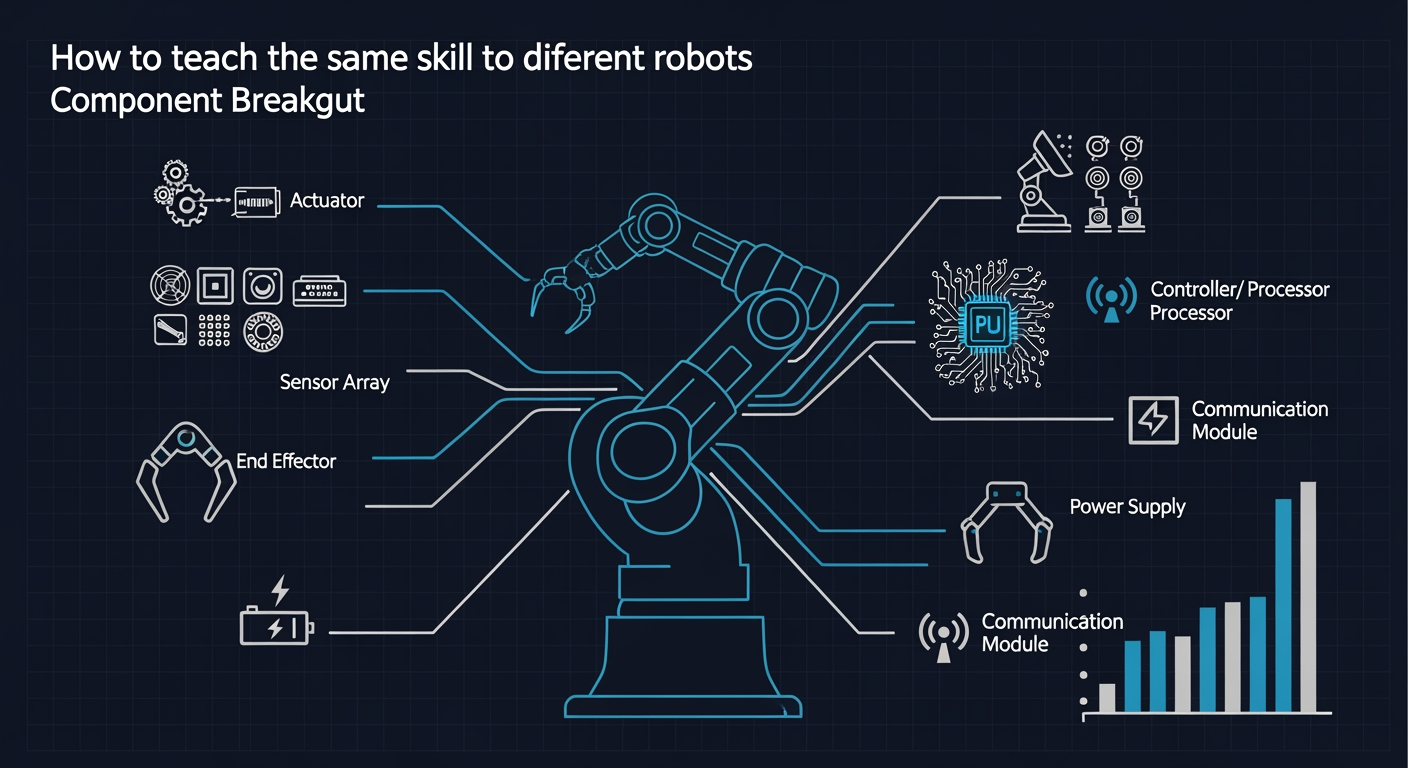
[ Scientific Visual Diagram | Diagrama Visual Científico ]
🇺🇸 The Mechanics of Teaching Different Robots
So how does this actually work mechanically Speaking simply helps sometimes It turns out there is this framework called modular task description where they basically break down tasks into modules Like putting together furniture from IKEA Every module represents a small part of what needs doing Each robot picks and chooses based on its own abilities Kind of like humans fitting roles in a team game🇪🇸 La mecánica tras enseñarles distintas tareas
Entonces cómo funciona esto en lo mecánico Hablar sencillo ayuda Hay un marco llamado descripción modular de tareas donde descomponen todo en módulos Como armar muebles de IKEA Cada módulo representa un pequeño paso Los robots eligen basados en sus habilidades Como jugadores encontrando su rol en un equipo
🇺🇸 What Changes for Workers and Companies
For companies, this means less downtime when upgrading robot fleets Plus less stress over training Because reprogramming takes time employees can focus more on creativity Or maybe reduce burnout Imagine not having to rewrite code constantly More stability in teams Working with tech should not feel overwhelming everyday For workers that stability can mean more time spent innovating instead of fixing🇪🇸 Cambios reales para trabajadores y empresas
Para las empresas esto significa menos tiempo perdido al actualizar flotas de robots y menos preocupación por el entrenamiento Reprogramar lleva tiempo Y los empleados pueden enfocarse más en creatividad o tal vez reducir el agotamiento Menos reescribir código diario Más estabilidad Trabajar con tecnología no debería ser agobiante Para los trabajadores esa estabilidad puede significar más tiempo innovando
[ Scientific Visual Diagram | Diagrama Visual Científico ]
🇺🇸 The Things We Don't Know Yet
There are still questions floating around though How adaptable really are these methods when faced with unexpected scenarios Can all types of tasks be broken into modules effectively And what about long-term wear and tear on machines as they switch between tasks frequently I kept rereading that part And honestly Some questions may take years before we see any real answers🇪🇸 Las incógnitas aún sin resolver
Todavía hay preguntas ¿Qué tan adaptables son estos métodos ante situaciones imprevistas Pueden todos los tipos de tareas dividirse eficientemente en módulos Y qué pasa con el desgaste a largo plazo cuando las máquinas cambian tanto entre tareas Me quedé leyendo esa parte varias veces Algunas respuestas tal vez tarden años en aparecer
🔗 Related Articles | Artículos Relacionados
OPEN YOUR MIND
Source: Source
Support Open Your Mind
If this article helped you, consider buying me a coffee.
Buy me a coffee
Join the conversation