NASA Sends Mars Helicopter Blades Beyond Mach 1
NASA Sends Mars Helicopter Blades Beyond Mach 1
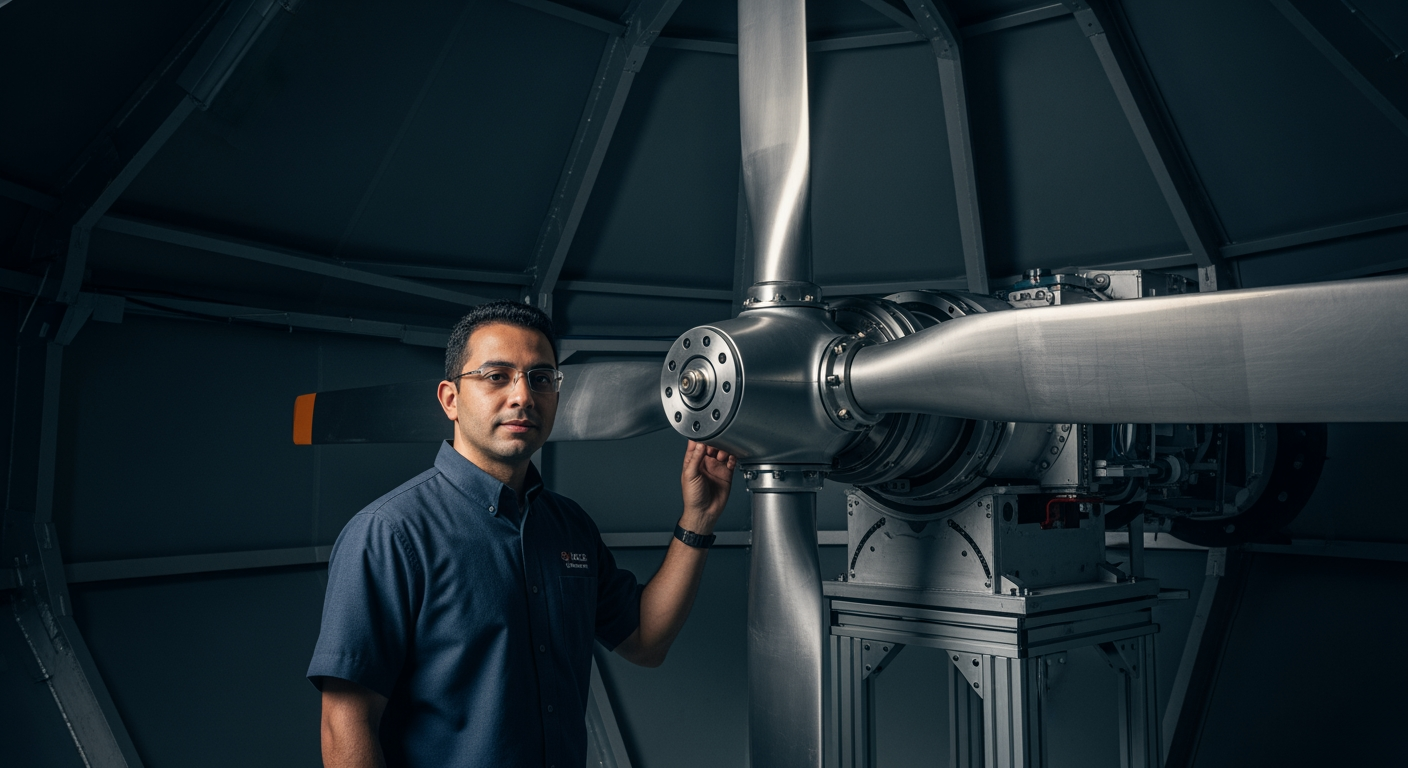
🇺🇸 Testing Rotor Blades at Mach 1
NASA recently ran a fascinating test in its 25-Foot Space Simulator. Fernando Mier-Hicks, an engineer, inspected how these next-gen rotor blades perform when pushed to speeds that flirt with breaking the sound barrier. And guess what? They held up. No shattering despite the intense conditions. This was a big deal because operating at Mach 1 means you're cruising at around 767 miles per hour. Crazy fast and impressive engineering at work here. The tests showed promise that these rotors could be part of the next wave of helicopters for Mars exploration, pushing boundaries without falling apart mid-flight.🇪🇸 Probando las palas del rotor a Mach 1
En el Laboratorio de Propulsión a Chorro de la NASA, Fernando Mier-Hicks revisó un stand de pruebas donde investigaron las palas de los helicópteros destinados a Marte. Lo interesante fue que en noviembre de 2025 estas palas lograron superar la barrera del sonido sin desintegrarse en pleno vuelo simulado. Alcanzar velocidades cercanas a Mach 1 es un logro tremendo y significa volar a unos 1234 kilómetros por hora, más o menos. Un paso importante para las futuras misiones al planeta rojo que buscan innovar sin comprometer la seguridad.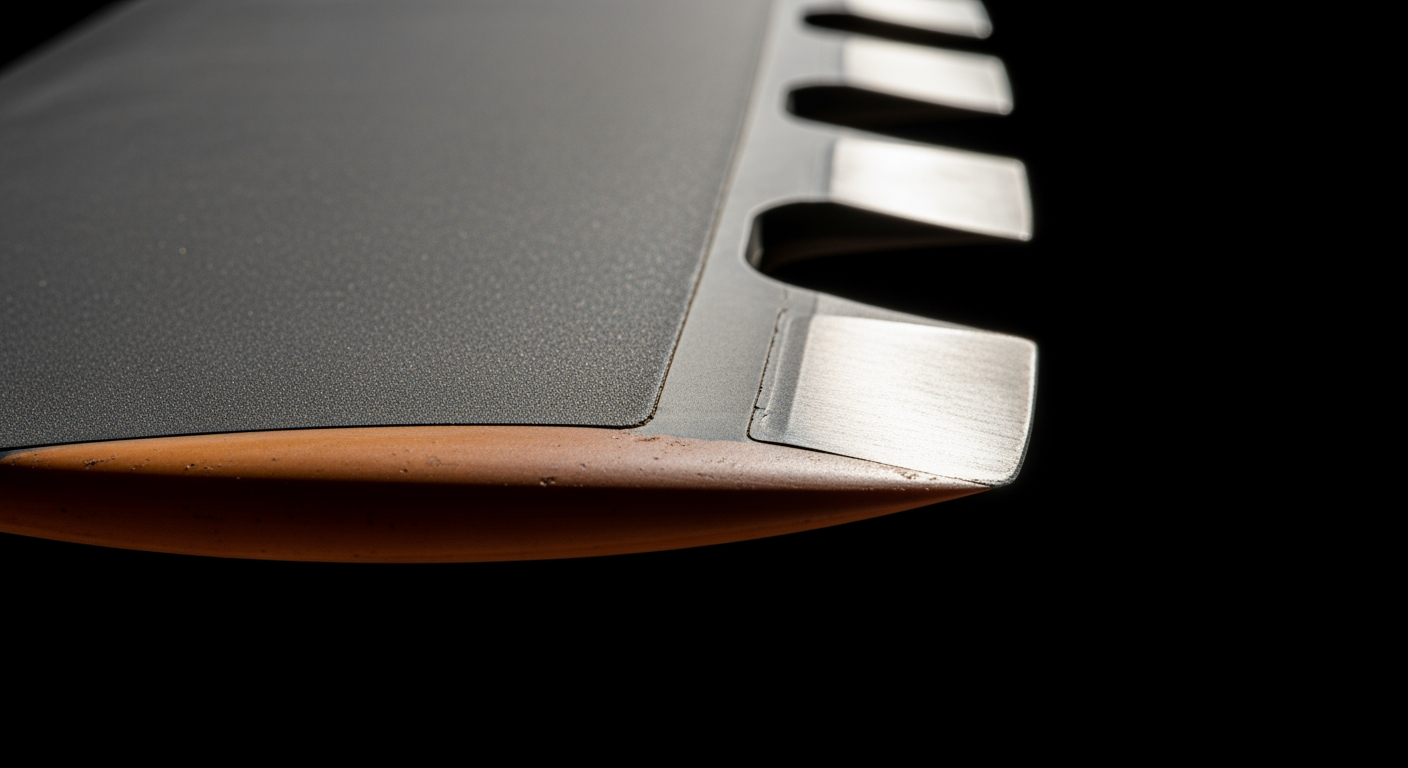
🇺🇸 What We Knew Before
Before this test, we knew flying on Mars is tricky because of its thin atmosphere. Less air means less lift for any rotor blade trying to spin and fly there. Ingenuity, the first Mars helicopter, already showed it can be done but with limitations on speed and altitude due to those atmospheric conditions. Engineers have been dreaming about faster flights for pretty much ever since Ingenuity first took off in April 2021. The challenge has always been balancing between enough speed to get maximum lift and not going too fast where everything falls apart.🇪🇸 Lo que ya sabíamos antes
Sabíamos que volar en Marte no es un paseo por el parque debido a su atmósfera tan fina que no ofrece mucho levantamiento para las hélices tradicionales de helicóptero como aquí en la Tierra. Desde el primer exitoso vuelo del helicóptero Ingenuity en abril de 2021 quedó claro que sí se puede pero con restricciones severas sobre qué tan rápido y alto puedes ir allá arriba por esas mismas condiciones atmosféricas limitantes ¿Qué buscaban? Pues aumentar la velocidad sin comprometer la integridad de todo el aparato ideando nuevas maneras ingeniosas para manejarlo.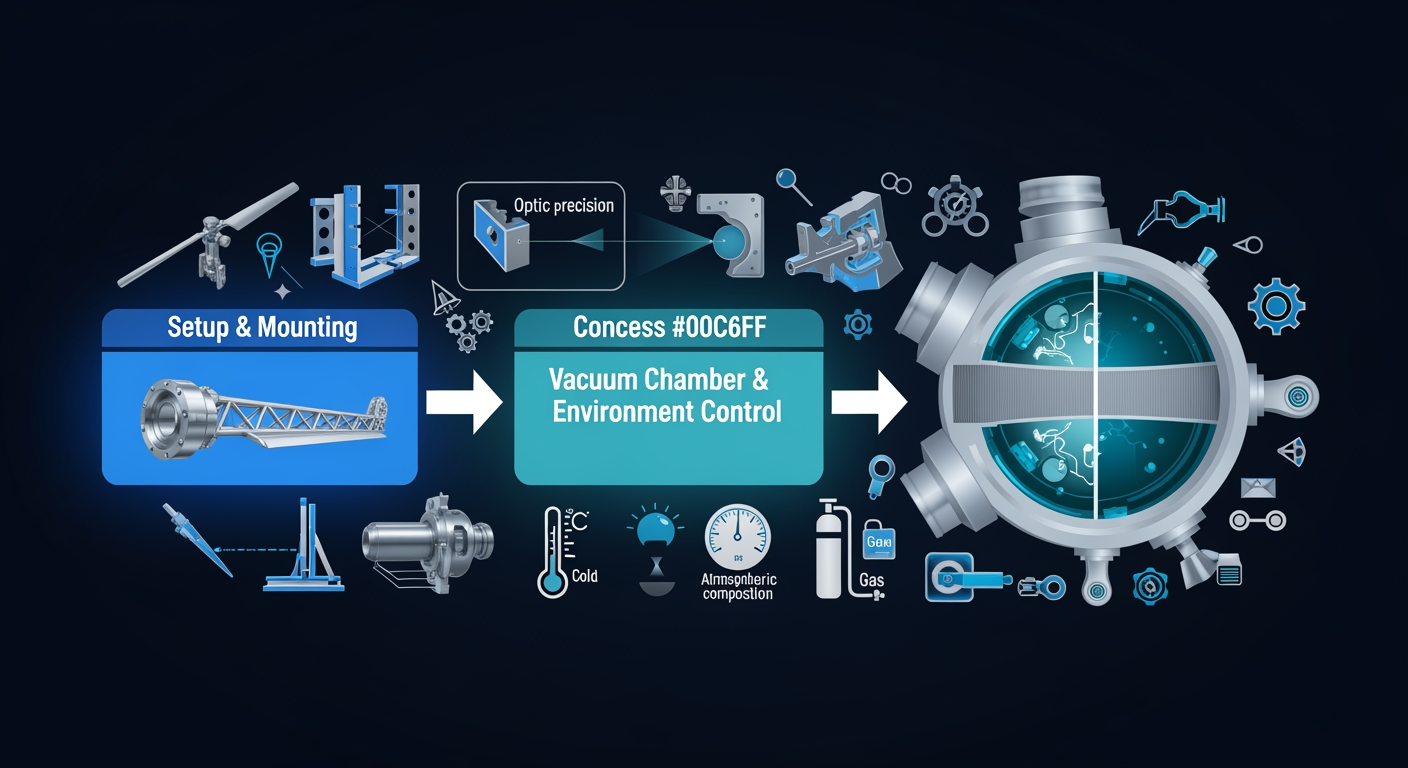
[ Scientific Visual Diagram | Diagrama Visual Científico ]
🇺🇸 Mechanics Behind Breaking Sound Barrier
Let’s talk mechanics because how does a helicopter even handle pushing past Mach 1? So when these rotor blades spin super fast in thin artificial Martian air they face immense pressure differences along their length which causes turbulence like crazy right near the tips where speeds hit max levels possibly beyond sound barrier limits hence why testing matters so much since materials need resilience flexibility adaptability against tearing forces while maintaining structural integrity not easy feat especially considering limited energy resources available aboard spacecraft heading towards red planet lengthy periods travel time factor too🇪🇸 Mecánica detrás de romper la barrera del sonido
Cómo hace un helicóptero para soportar pasar más allá del Mach 1 entonces Cuando las palas giran rapidísimo en esa atmósfera simulada marciana enfrentan diferencias enormes presión turbulencia increíble justo cerca puntas donde velocidad alcanza máximo incluso traspasa límites sónicos por eso ensayo crucial materiales requieren flexibilidad resistencia adaptabilidad contra fuerzas desgarradoras manteniendo integridad estructural fácil decir complicado lograr especialmente considerando recursos energéticos limitados disponibles naves espaciales rumbo Marte largos periodos viaje influyen bastante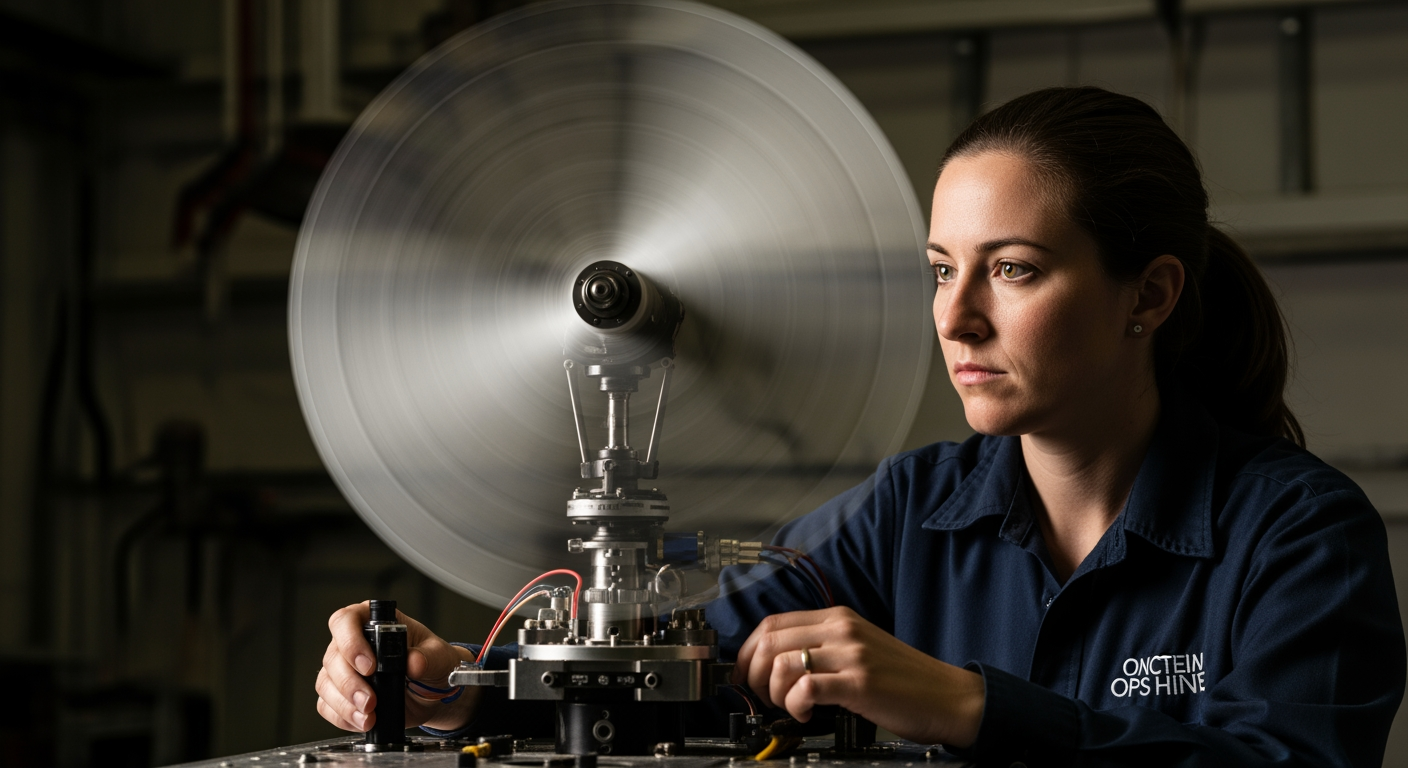
🇺🇸 Implications for Future Missions
So what does this mean now that we know these blades can handle such extremes Without doubt exploration missions can plan more aggressive routes over rough Martian terrains reaching places once considered unreachable potentially leading discoveries or data collection that were previously impossible Longer flights greater distances become possible suddenly opening new horizons literally Once you go faster you cover more ground simple math but huge leap forward in terms potential achievements curious see what comes next🇪🇸 Implicaciones para misiones futuras
¿Qué implica esto ahora sabiendo que estas palas soportan tales extremos Sin duda misiones exploratorias pueden planificar rutas más agresivas sobre terrenos accidentados marcianos accediendo sitios previamente inalcanzables lo cual potencialmente lleva descubrimientos o recopilación datos antes imposible Vuelos más largos distancias mayores se vuelven posibles abriendo nuevos horizontes realmente Una vez vas más rápido cubres mayor terreno matemática simple pero enorme avance potencial logros curiosidad ver qué viene después
[ Scientific Visual Diagram | Diagrama Visual Científico ]
🇺🇸 Still Questions Left Unanswered
Yet not everything is solved folks Do we really know how these blades will perform long term under real Martian conditions Tests are one thing reality another pressure variables unknowns still loom large Plus wear tear factors over extended use remain largely speculative How cost effective will deploying improved helicopters be given expenses involved Are we sure they’ll not encounter issues unforeseen once outside controlled lab setting Only time actual field trials may finally answer skeptics doubts until then we wait watch wonder together🇪🇸 Aún quedan preguntas sin resolver
Pero no todo está resuelto amigos Sabemos realmente cómo se comportarán estas palas largo plazo bajo condiciones reales marcianas Pruebas son una cosa realidad otra variables presión desconocidas siguen presentes Además factores desgaste uso prolongado aún especulativo Qué tan rentable será desplegar estos helicópteros mejorados dado los costos implicados Estamos seguros no encontrarán problemas imprevistos una vez fuera entorno controlado laboratorio Solo tiempo ensayos campo reales quizá respondan dudas escépticos hasta entonces observamos esperamos juntos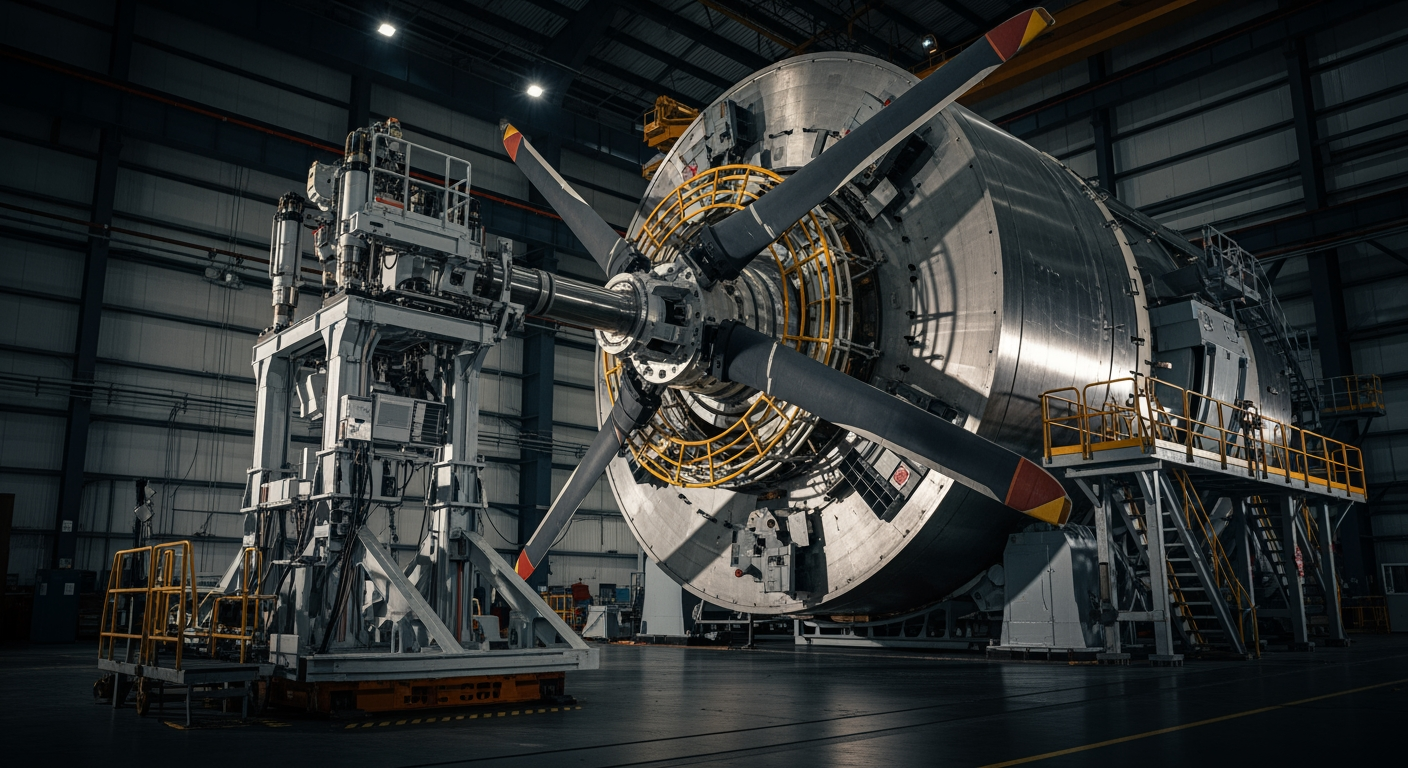
🔗 Related Articles | Artículos Relacionados
OPEN YOUR MIND
Source: Source
Support Open Your Mind
If this article helped you, consider buying me a coffee.
Buy me a coffee
Join the conversation