New understanding of insect flight points way to stable flapping wing robots
New understanding of insect flight points way to stable flapping-wing robots

🇺🇸 New Insight into Insect Flight
Cornell researchers have made a fascinating find about insect flight. They're putting together a computational model to show how an insect's body shape affects its ability to stay in the air. It's like they're rewriting what we thought we knew, but with math and simulations instead of just observations. This isn't just scribbles on paper; it's a complex puzzle that shows how even tiny changes in an insect's wing or body can stabilize its flight. Could this lead to more stable flapping-wing robots? That's the hope, anyway.🇪🇸 Nuevo Entendimiento del Vuelo de los Insectos
Un equipo de investigadores en Cornell ha descubierto algo fascinante sobre el vuelo de los insectos. Han creado un modelo computacional para ver cómo la forma del cuerpo de un insecto afecta su capacidad de mantener el vuelo. No es solo teoría; es como armar un rompecabezas complicado que nos muestra cómo pequeñas variaciones en las alas o el cuerpo pueden estabilizar su vuelo. Esto podría resultar en robots con alas más estables en el futuro, según esperan los científicos.
🇺🇸 What We Already Knew About Bug Flight
Before this study, scientists had some understanding of how insects flew, but it was like looking through foggy glass. They knew insects are incredibly agile and can hover, glide, and dart around effortlessly—at least from where we're standing. There was this general idea that wing movement combined with body dynamics allowed them to stay airborne. Folks had models based on big assumptions and lots of guesswork about the interplay between wings and air currents.🇪🇸 Lo Que Ya Sabíamos Sobre el Vuelo de los Insectos
Antes de este estudio, la ciencia tenía una idea bastante incompleta del vuelo de los insectos; era como mirar a través de un vidrio empañado. Sabían que los insectos eran extremadamente ágiles y podían mantenerse suspendidos en el aire con facilidad aparente desde nuestra perspectiva humana limitada claro está. Se pensaba que la combinación del movimiento de las alas y la dinámica del cuerpo les permitía volar pero estas ideas se basaban más en suposiciones y aproximaciones que en datos concretos.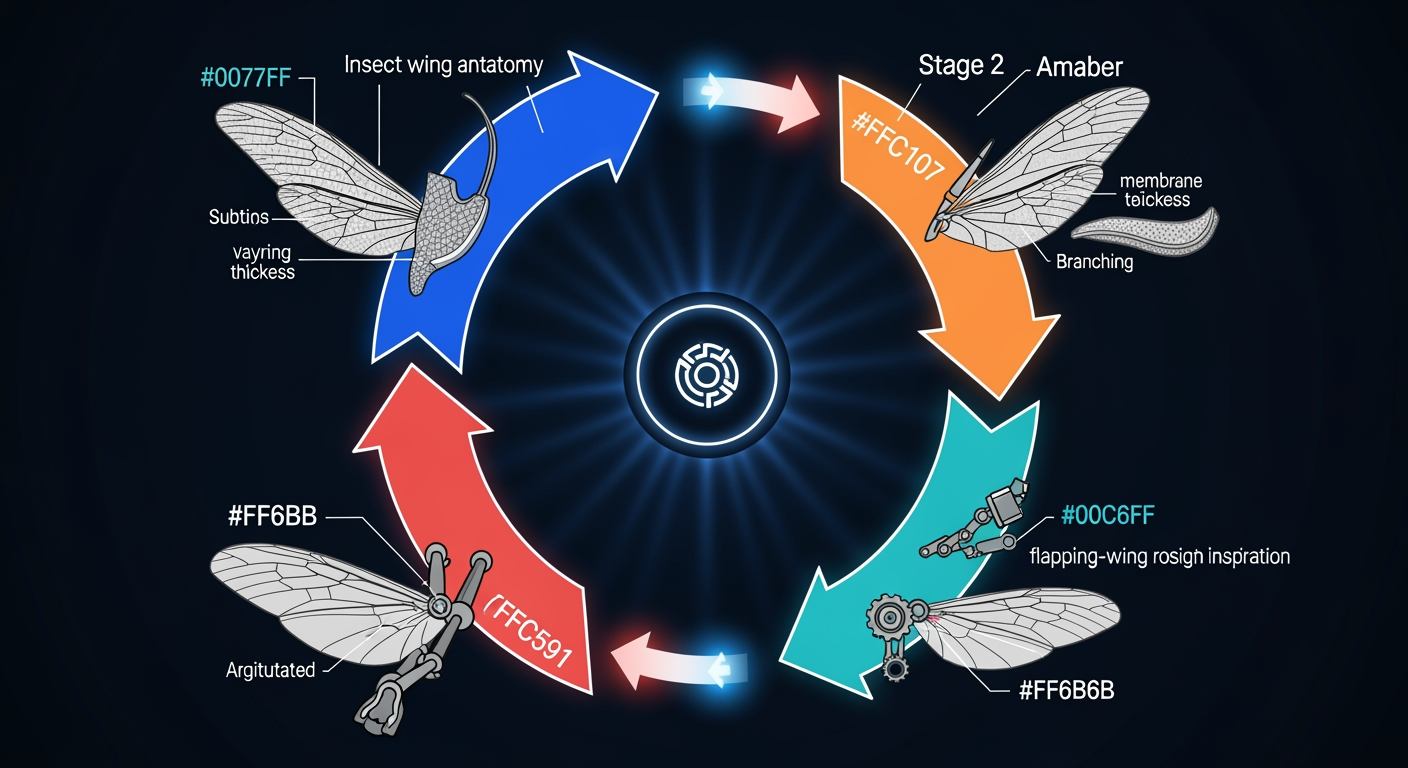
[ Scientific Visual Diagram | Diagrama Visual Científico ]
🇺🇸 The Mechanics Behind It All
Let's talk mechanics because that's where it gets real complicated real fast. These guys at Cornell developed a way to simulate not just flapping but how every little part of the insect works together in harmony—or chaos maybe—to stay flying smoothly. Picture this: each segment of an insect's wing bends and flexes through the air while interacting with its own airflow patterns created by previous flaps, creating feedback loops that help stabilize or destabilize flight depending on conditions.🇪🇸 La Mecánica Detrás del Vuelo
Vayamos a lo mecánico porque aquí es donde todo se vuelve realmente complicado rápidamente Los investigadores crearon una forma para simular no solo el batir de las alas sino también cómo cada pequeña parte del cuerpo del insecto trabaja juntos en armonía o caos tal vez para seguir volando suavemente Imagina esto: cada segmento de ala dobla y flexiona mientras interactúa con corrientes creadas por movimientos anteriores formando bucles retroalimentados que ayudan o complican la estabilidad dependiendo las condiciones
🇺🇸 Real-World Impact of This Research
So what does this mean for you me anyone really Well think about drones or any other tech trying to mimic bird or bug flight Having a better grasp on these intricate details could translate into more efficient designs Imagine rescue drones navigating narrow spaces or agricultural bots hovering over crops without wobbling If they get it right it might actually make things cheaper safer maybe even environmentally friendlier Who knows But that's if everything goes as planned which is never guaranteed🇪🇸 Impacto Real de Esta Investigación
¿Y qué significa esto para nosotros Bueno piensa en drones u otras tecnologías que buscan imitar al vuelo animal Comprender mejor estos detalles intrincados podría traducirse en diseños más eficientes Imagina drones salvavidas navegando espacios estrechos o bots agrícolas flotando sin tambaleos sobre cultivos Si logran hacerlo bien podría abaratar costos mejorar la seguridad e incluso beneficiar al medioambiente Pero eso si todo sale como esperan lo cual nunca es seguro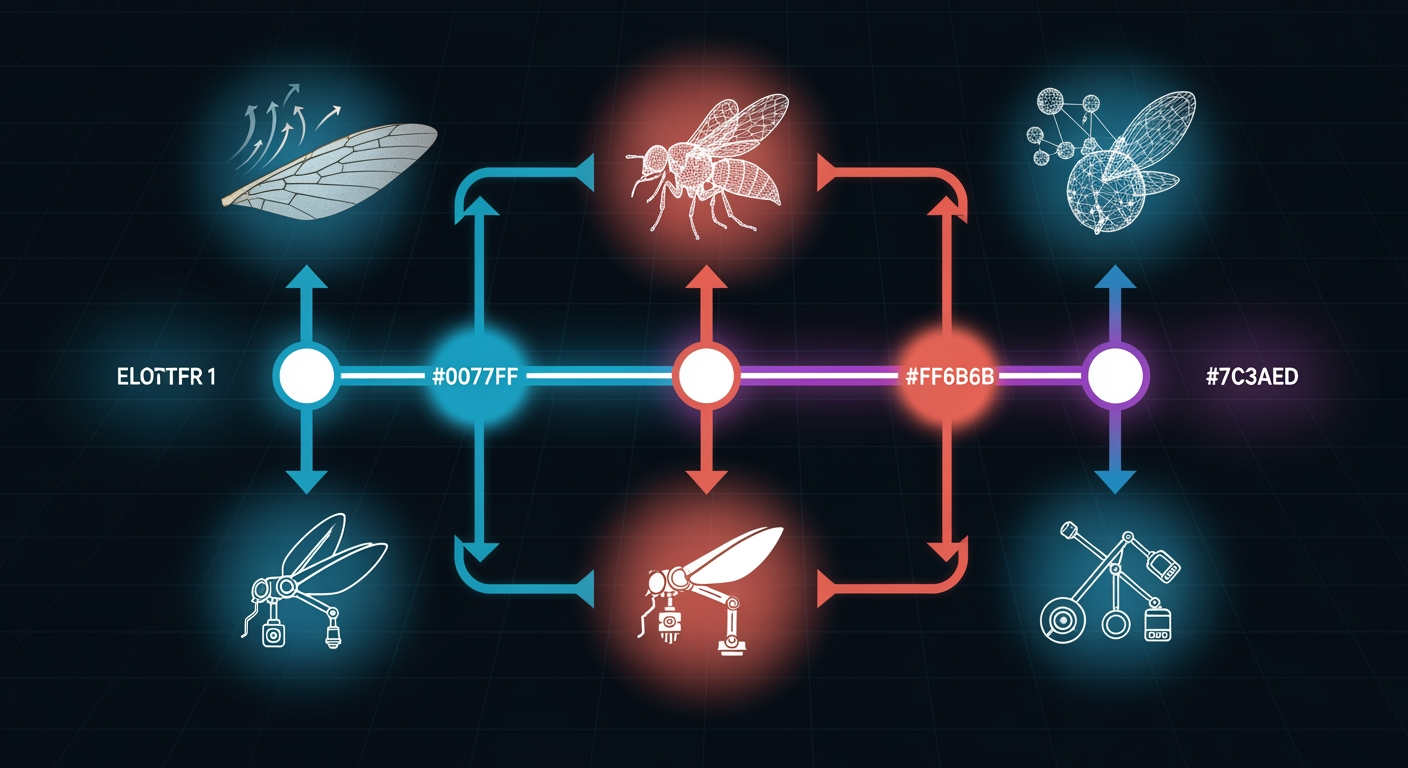
[ Scientific Visual Diagram | Diagrama Visual Científico ]
🇺🇸 Still Puzzled by Some Big Questions
But let’s not pretend this answers everything There's still so much they don't know Will these models hold up outside the lab Do they account for every possible condition out there Critics might say nope Still lots of unknowns when we try scaling up from insects to machines Can nature's efficiency be fully simulated And will these attempts truly offer practical benefits Hard questions It's like opening one door only to find ten more locked behind it🇪🇸 Aún Quedan Grandes Preguntas Sin Respuesta
Pero no finjamos que esto responde todo Quedan muchas cosas sin saber ¿Funcionarán estos modelos fuera del laboratorio Y realmente consideran todas las condiciones posibles Algunos críticos dirían probablemente no Todavía hay muchas incógnitas cuando intentamos pasar de bichitos a máquinas ¿Podemos simular completamente la eficiencia natural Y realmente traerán beneficios prácticos Intentar responder estas preguntas es como abrir una puerta y encontrar diez cerradas detrás esperando respuestas claras
OPEN YOUR MIND
Source: Source
Support Open Your Mind
If this article helped you, consider buying me a coffee.
Buy me a coffee
Join the conversation