NASA Fosters Development of Lunar Resource-Seeking Technologies
NASA Fosters Development of Lunar Resource-Seeking Technologies

🇺🇸 NASA Unearths Lunar Resource Capabilities
NASA has been digging. Not literally with shovels, but in the sense of unearthing ways to utilize what is already on the Moon. They are zeroing in on something called regolith. This stuff, lunar soil really, could be packed with hidden treasures like hydrogen and helium-3. Imagine being able to pull out the building blocks for life-support systems right from under your feet instead of hauling everything from Earth. That is exactly what NASA is working towards with this whole concept of in-situ resource utilization or ISRU for short. It sounds pretty straightforward, though obviously it is not.🇪🇸 NASA Desentierra Capacidades de Recursos Lunares
NASA está investigando nuevas maneras de aprovechar lo que ya existe en la Luna. Se enfocan en el regolito, esa especie de suelo lunar que podría contener elementos valiosos como hidrógeno y helio-3. Imagina poder extraer estos recursos directamente del terreno lunar para usarlos en sistemas vitales sin tener que llevarlo todo desde la Tierra. Eso es precisamente a lo que apunta NASA con el concepto de utilización de recursos in situ o ISRU por sus siglas en inglés. Parece sencillo al decirlo pero claramente no lo es.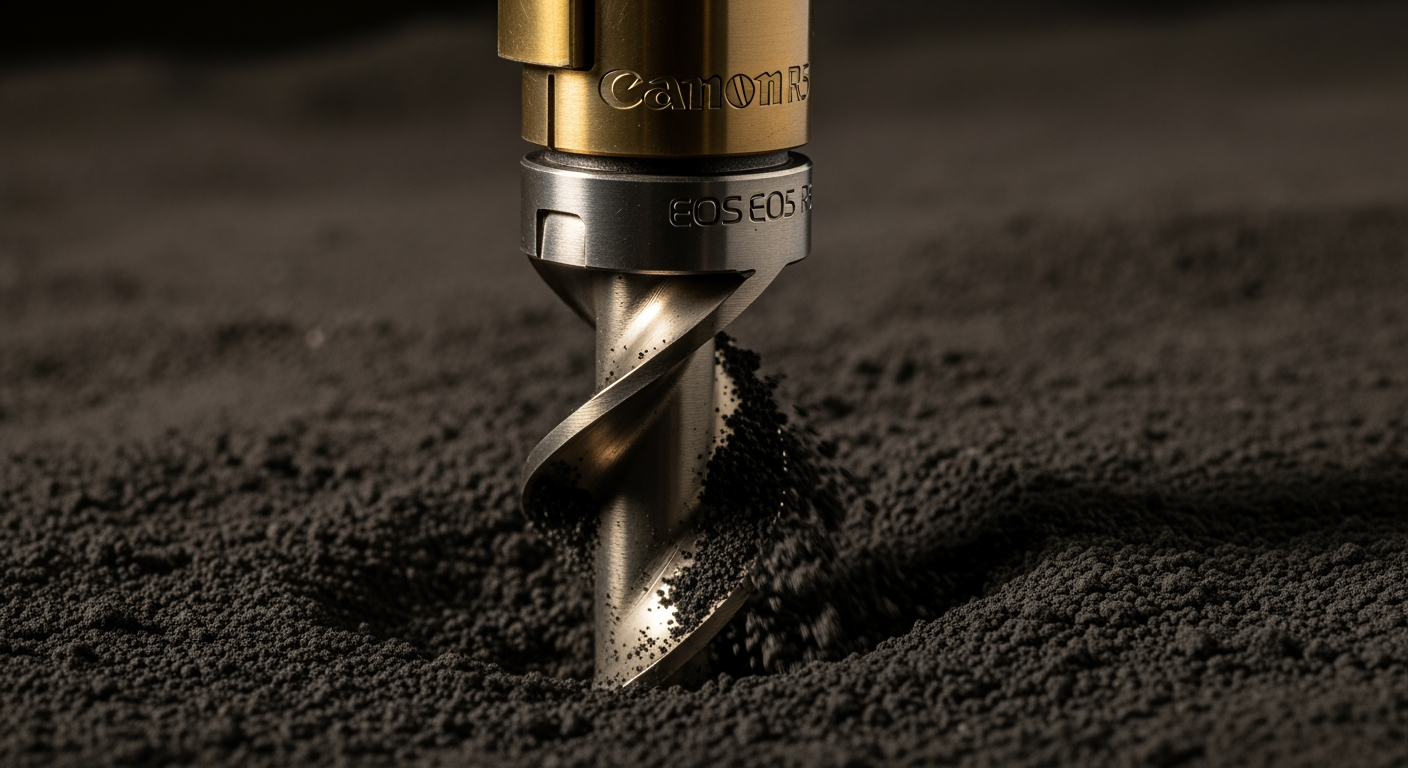
🇺🇸 Regolith: The Old Soil With New Potential
Before all this buzz about mining the Moon, scientists already knew a lot about regolith itself. This dusty layer has been studied since the Apollo missions first brought samples back home. We have learned that it covers basically every inch of the lunar surface and varies in thickness depending on where you are looking. People figured out it was mostly made up of tiny glassy bits mixed with minerals like olivine and pyroxene ages ago, so nothing new there really.🇪🇸 Regolito: El Viejo Suelo Con Nuevo Potencial
Antes del reciente entusiasmo por minar la Luna, los científicos ya habían aprendido bastante sobre el regolito gracias a las misiones Apolo que trajeron muestras a la Tierra hace décadas. Sabemos que este polvo cubre casi todo el terreno lunar y su grosor varía según la ubicación aunque usualmente no se profundiza más de unos metros bajo tierra se entendió hace tiempo que está compuesto principalmente por pequeños fragmentos vidriosos mezclados con minerales como olivino y piroxeno.
[ Scientific Visual Diagram | Diagrama Visual Científico ]
🇺🇸 Extracting Resources: Mechanics Behind ISRU
Here comes the tricky part figuring out how to actually extract stuff from this gray dust using machines designed partially here on Earth but meant for somewhere else entirely unfamiliar territory really even if we have mapped it from afar forever now Engineers are looking at various tech options Some focus on heating regolith to release gasses Others talk about sifting or even chemically reacting materials to separate components What surprises me is how much I still do not get as these steps sound more sci-fi than straightforward engineering🇪🇸 Extracción de Recursos: Mecánica Detrás del ISRU
Aquí es donde empieza lo complicado En realidad sacar cosas útiles del polvo gris usando máquinas diseñadas aquí pero pensadas para otro mundo totalmente distinto Aunque hemos mapeado la luna desde lejos por siempre ahora estamos hablando realmente de hacer algo allí Ahora ingenieros consideran diversas opciones tecnológicas Unos piensan en calentar el regolito para liberar gases Otros hablan sobre tamizar o incluso reaccionar químicamente los materiales Sorprendentemente todavía hay partes que no entiendo Pues esos pasos parecen más ciencia ficción que ingeniería simple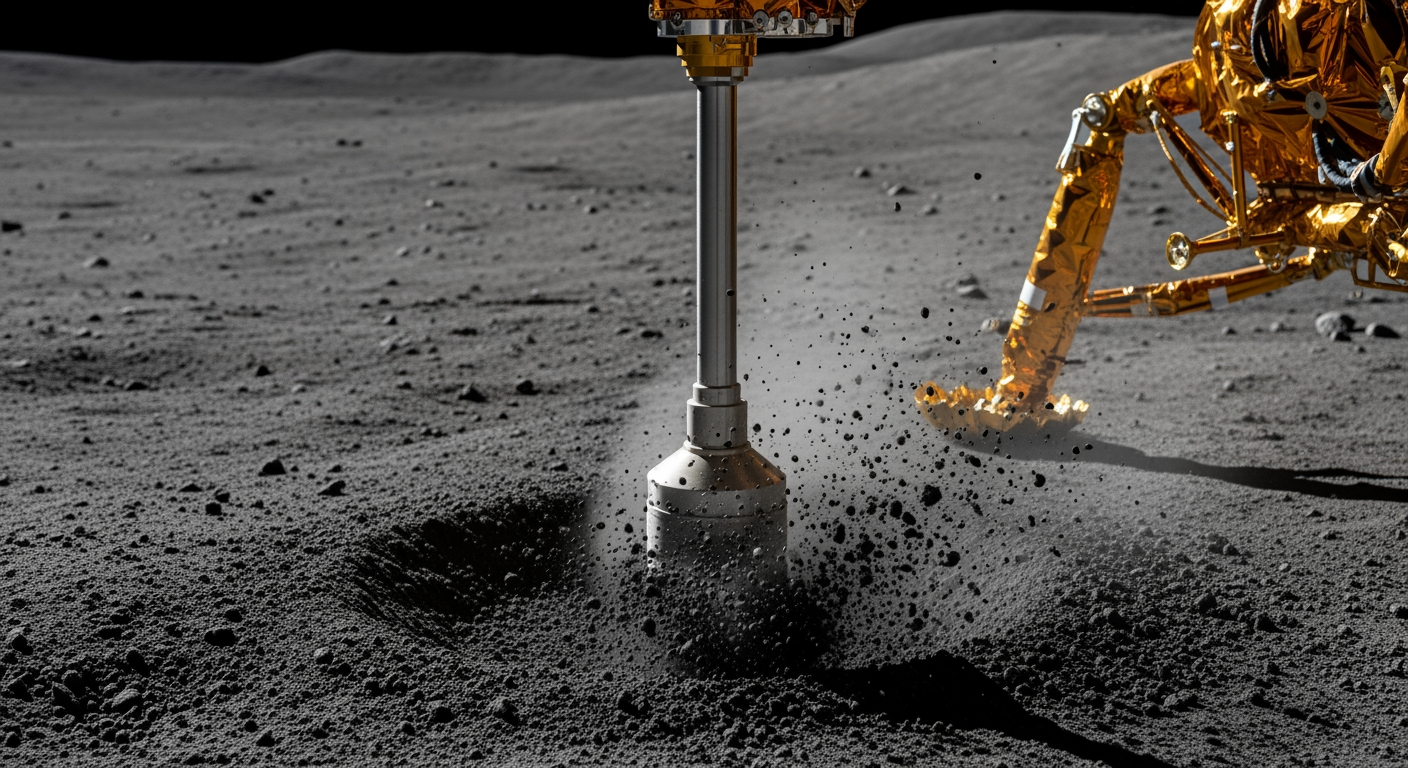
🇺🇸 Impact on Future Missions and Everyday Life
Okay So why does any of this matter beyond scientific curiosity Well imagine future missions to the Moon lasting months instead of days because we can generate essential resources locally That changes mission planning completely Crews could stay longer bring less and focus more on exploration rather than survival As resources run out here finding alternatives elsewhere becomes not just practical but necessary Think energy generation think clean fuels It affects you me everyone who uses power daily🇪🇸 Impacto en Futuros Viajes y Nuestra Vida Diaria
Entonces Por qué importa esto más allá del interés científico Imagínate futuras misiones a la Luna durando meses en vez de días porque podemos generar recursos esenciales localmente Cambia toda la planificación Se podrían quedar más tiempo llevar menos y centrarse más en explorar Los recursos van escaseando aquí pero encontrarlos fuera se hace cada vez más práctico hasta necesario Piensa en generación energética piensa combustibles limpios Nos afecta a todos quienes usamos energía cada día
[ Scientific Visual Diagram | Diagrama Visual Científico ]
🇺🇸 Unanswered Questions About Lunar Extraction
A few things do not add up yet Will these technologies work as well in practice as they promise on paper Will they be cost-effective or too risky with today's budgets There are environmental concerns too which almost nobody talks about like what happens if we disrupt some delicate balance up there Can extracting too much alter conditions unforeseen by planners Maybe that is too far-fetched I admit But these questions linger without clear answers🇪🇸 Preguntas Sin Responder Sobre Extracción Lunar
Hay cosas sin resolver aún Funcionarían esas tecnologías tan bien como prometen Y serían costeables o demasiado arriesgadas con los presupuestos actuales Existen preocupaciones ambientales también Que pasa si alteramos algún equilibrio frágil allá arriba Si extraemos mucho podríamos cambiar condiciones imprevistas Quizás estoy exagerando Admito Pero estas preguntas quedan flotando sin respuestas claras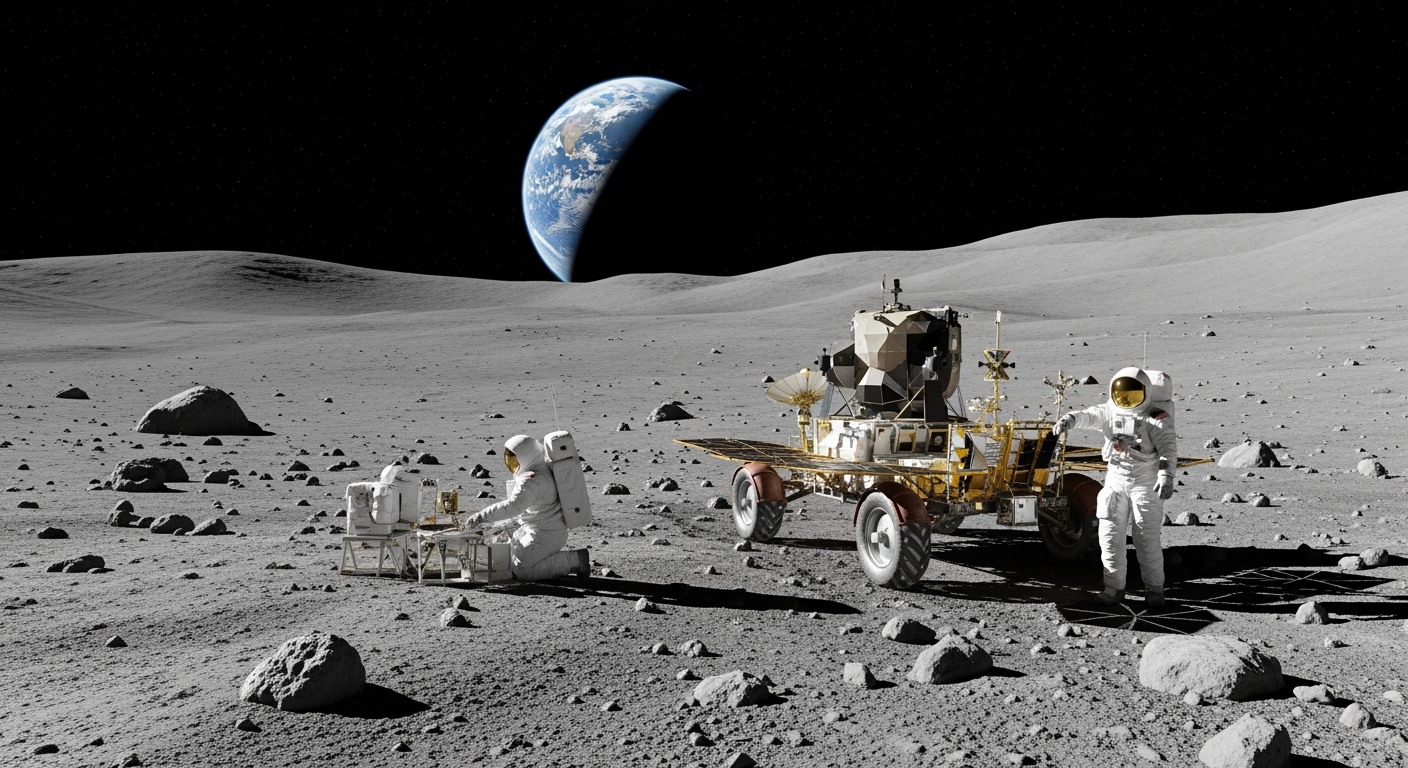
OPEN YOUR MIND
Source: Source
Support Open Your Mind
Donate via PayPal

Comments
Post a Comment