NASA eClips and GLOBE Educators Strengthen a Regional STEM Ecosystem in Coastal Virginia
NASA eClips and GLOBE Educators Strengthen a Regional STEM Ecosystem in Coastal Virginia
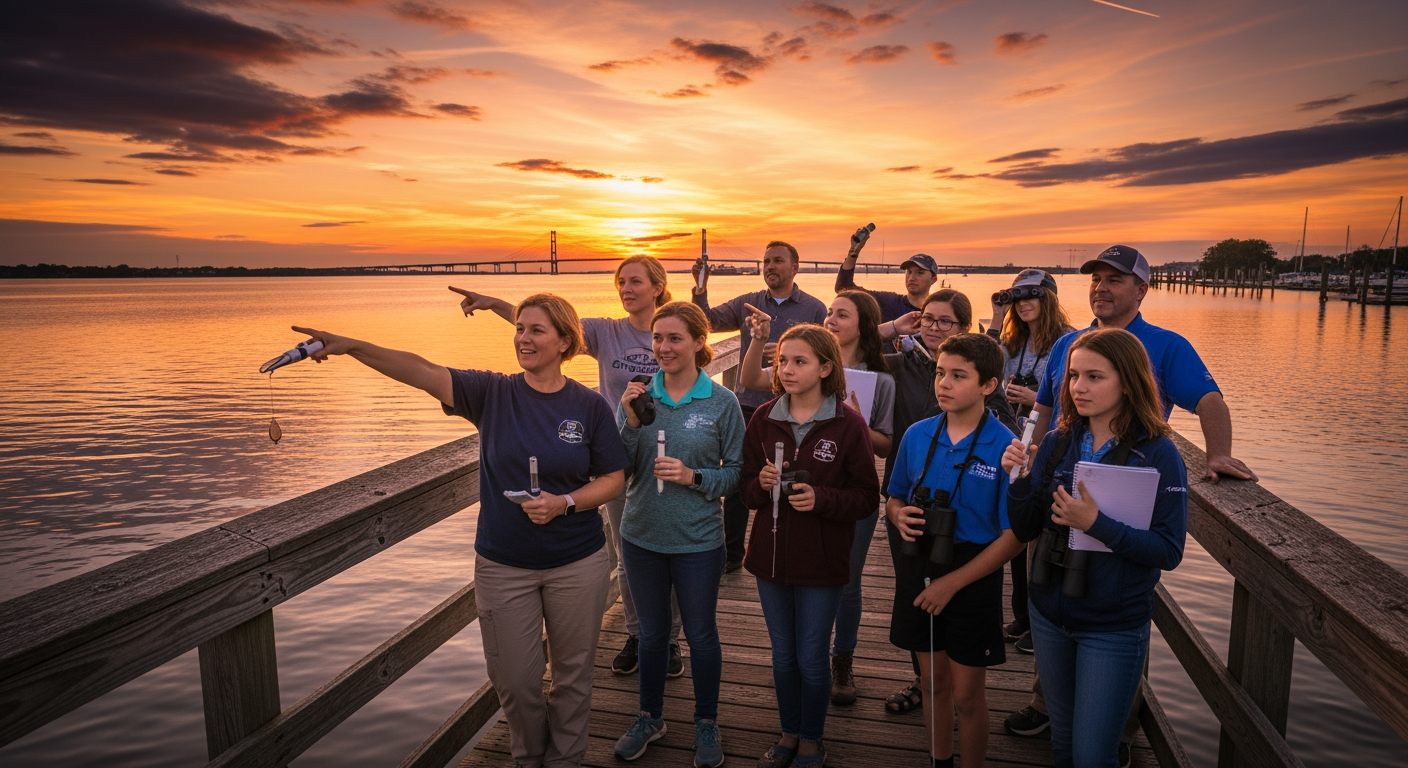
🇺🇸 Collaboration in Coastal Virginia
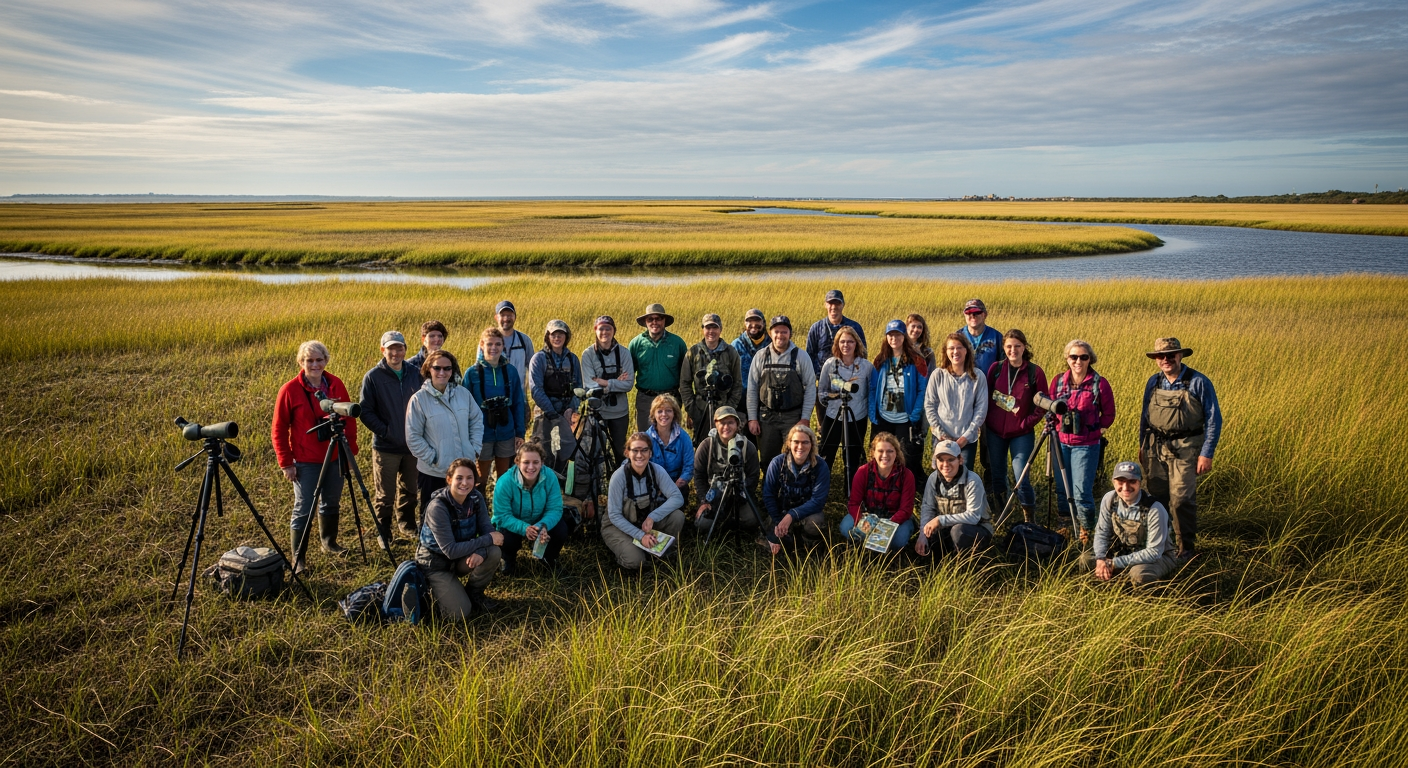
Teachers in Virginia’s Tidewater region got together to do something pretty cool. We are talking about 38 science educators from seven school districts. They teamed up with community groups like the Elizabeth River Project. The aim was to boost how they teach by partnering with NASA eClips and the GLOBE Program. So what happened? They created a kind of regional STEM ecosystem around coastal study and environmental science education. This means more hands-on learning for students where they get to understand their own community's environment better. Which makes sense when you think about it—coastal Virginia has a lot of unique natural settings that are perfect for scientific exploration.
🇪🇸 Colaboración en la Costa de Virginia
En la región de Tidewater, en Virginia, un grupo de 38 educadores de ciencias decidió hacer algo genial. Estos maestros provinieron de siete distritos escolares y se unieron con organizaciones comunitarias como el Proyecto del Río Elizabeth. Todo para mejorar su manera de enseñar al colaborar con NASA eClips y el Programa GLOBE. ¿Qué lograron? Crearon un tipo de ecosistema STEM enfocado en estudios costeros y educación ambiental, lo que permite más aprendizaje práctico para los estudiantes, así pueden conocer mejor el entorno de su comunidad. Tiene sentido si lo piensas: la costa de Virginia cuenta con ambientes naturales únicos que son ideales para la exploración científica.
🇺🇸 A Rich Tapestry of Existing Knowledge
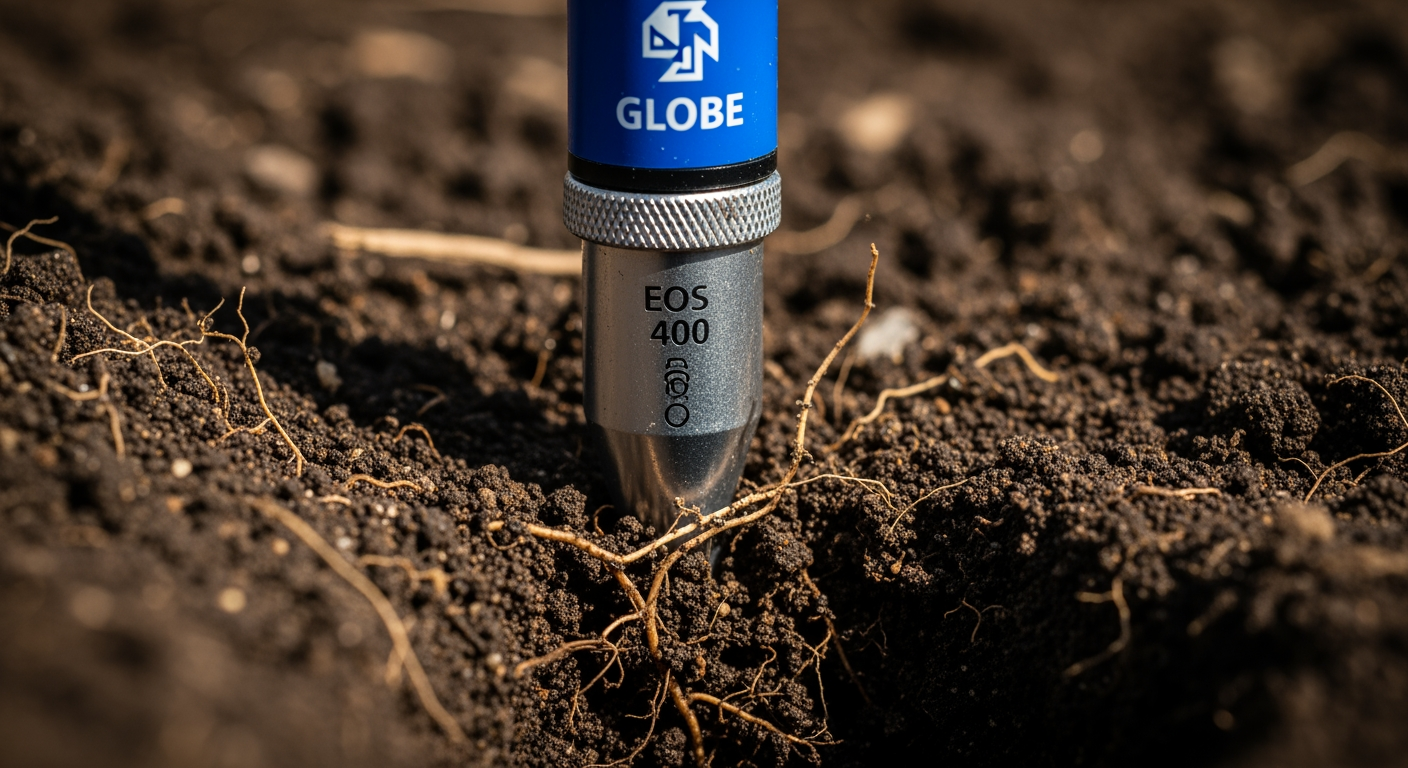
What did we already know before these folks came together? Well, the importance of environmental education was not exactly news. Schools have been trying to incorporate more real-world science into classrooms for years now, especially with climate change making headlines all the time. The GLOBE Program had already been around since 1995, encouraging young people to engage with citizen science projects globally but not really focused specifically on any one U.S region like this effort is in coastal Virginia.
🇪🇸 Un Fondo Rico en Conocimientos Previos
¿Qué sabíamos antes de que este equipo se formara? La educación ambiental ya era reconocida hace tiempo como crucial; no es algo nuevo ni sorprendente. Las escuelas llevan años intentando incluir más ciencia aplicada al mundo real en sus aulas, especialmente con el cambio climático siempre presente en las noticias. El Programa GLOBE existe desde 1995 fomentando proyectos científicos ciudadanos a nivel mundial pero sin centrarse particularmente en una región estadounidense hasta ahora como lo hace este esfuerzo en la costa de Virginia.
[ Scientific Visual Diagram | Diagrama Visual Científico ]
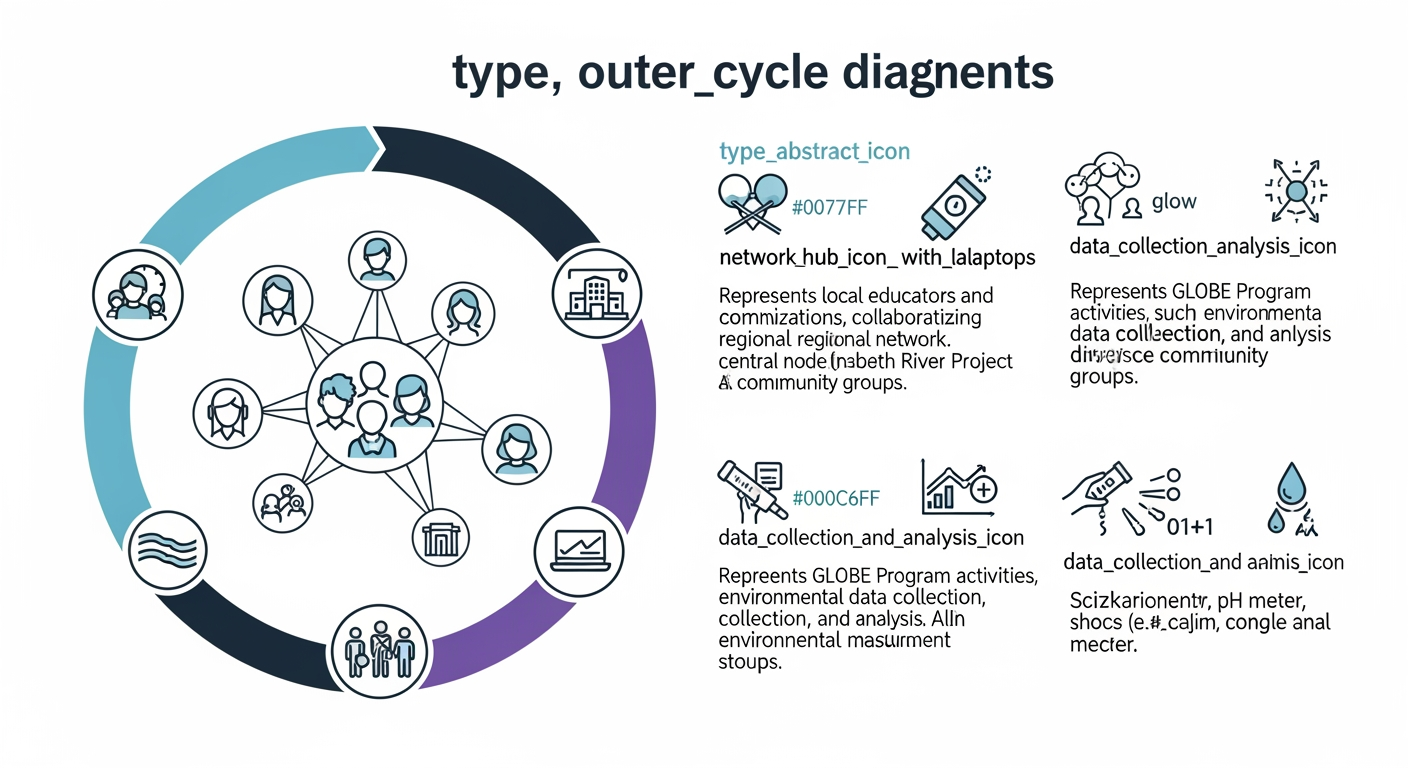
🇺🇸 The Mechanism Behind It All
How does this whole thing work practically speaking? Like a big loop of information between people who want to learn and folks offering expertise from both NASA eClips and GLOBE educators themselves and local organizations too... Everyone providing resources or insights based on what they know best whether it is space-related topics or local environmental issues like water quality checks along rivers here in Tidewater... Really it is about giving teachers tools they can bring back to their classrooms so students get their hands dirty working on actual data collection activities right where they live which sounds pretty awesome...
🇪🇸 El Mecanismo Detrás del Proceso
¿Cómo funciona todo esto en la práctica? Es como un gran ciclo donde quienes quieren aprender obtienen conocimientos por parte tanto del programa NASA eClips y los educadores del Programa GLOBE como también organizaciones locales... Todos aportan recursos o perspectivas según lo que dominan bien sea temas relacionados con el espacio o cuestiones ambientales locales tales como controles sobre calidad del agua cerca del río aquí mismo en Tidewater... De hecho se trata principalmente darles herramientas útiles a profesores para llevarlas consigo hacia sus aulas logrando que estudiantes metan manos utilizando actividades captura datos reales justamente allá donde viven lo cual suena asombroso...
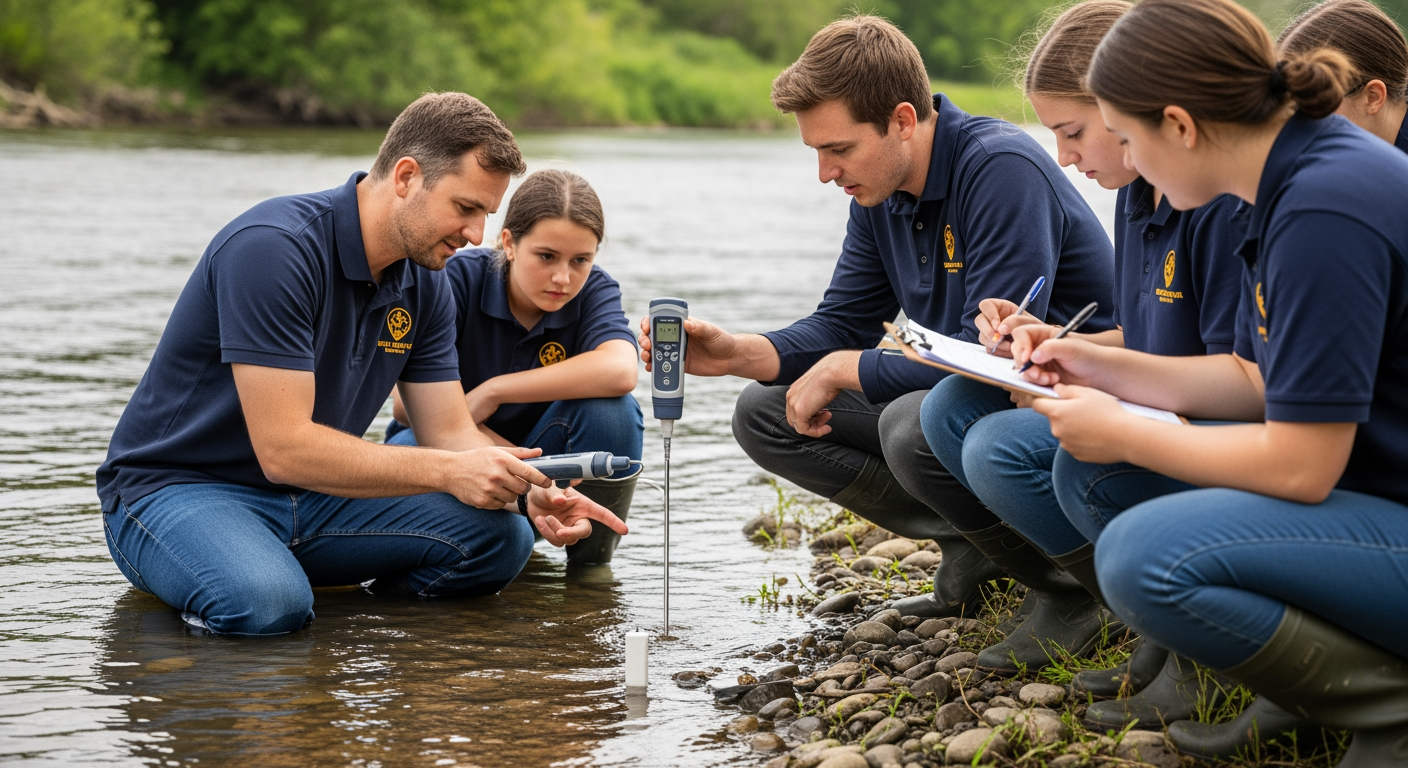
🇺🇸 Real-World Impact You Can Measure
So what changes now? For starters students find themselves partaking more actively within scientific processes rather than just hearing lectures behind desks spending class periods using test tubes instead feeling connected directly relevant studies happening near them locally gaining skills applicable beyond school walls pushing them toward future careers possibly in STEM fields encouraging exploration understanding how things operate within their immediate surroundings broadening horizons fostering curiosity leading eventually toward greater appreciation long-term stewardship too much or does that seem valuable enough?
🇪🇸 Impacto Real Que Se Puede Medir
Entonces ¿qué cambia realmente ahora? Para empezar los estudiantes participan activamente dentro procesos científicos dejando atrás solo escuchar conferencias sentados tras escritorios pasan horas escolares usando tubos ensayo sintiéndose conectados directamente estudios relevantes ocurriendo cerca ellos localmente adquiriendo habilidades aplicables fuera ámbito escolar impulsándolos hacia futuras carreras tal vez dentro campos STEM motivando exploración comprensión sobre funcionamiento cosas alrededor suyo inmediato ampliando horizontes despertando curiosidad conduciendo eventualmente mayor valoración cuidado sostenible largo plazo parece demasiado o eso ya bastante valioso?
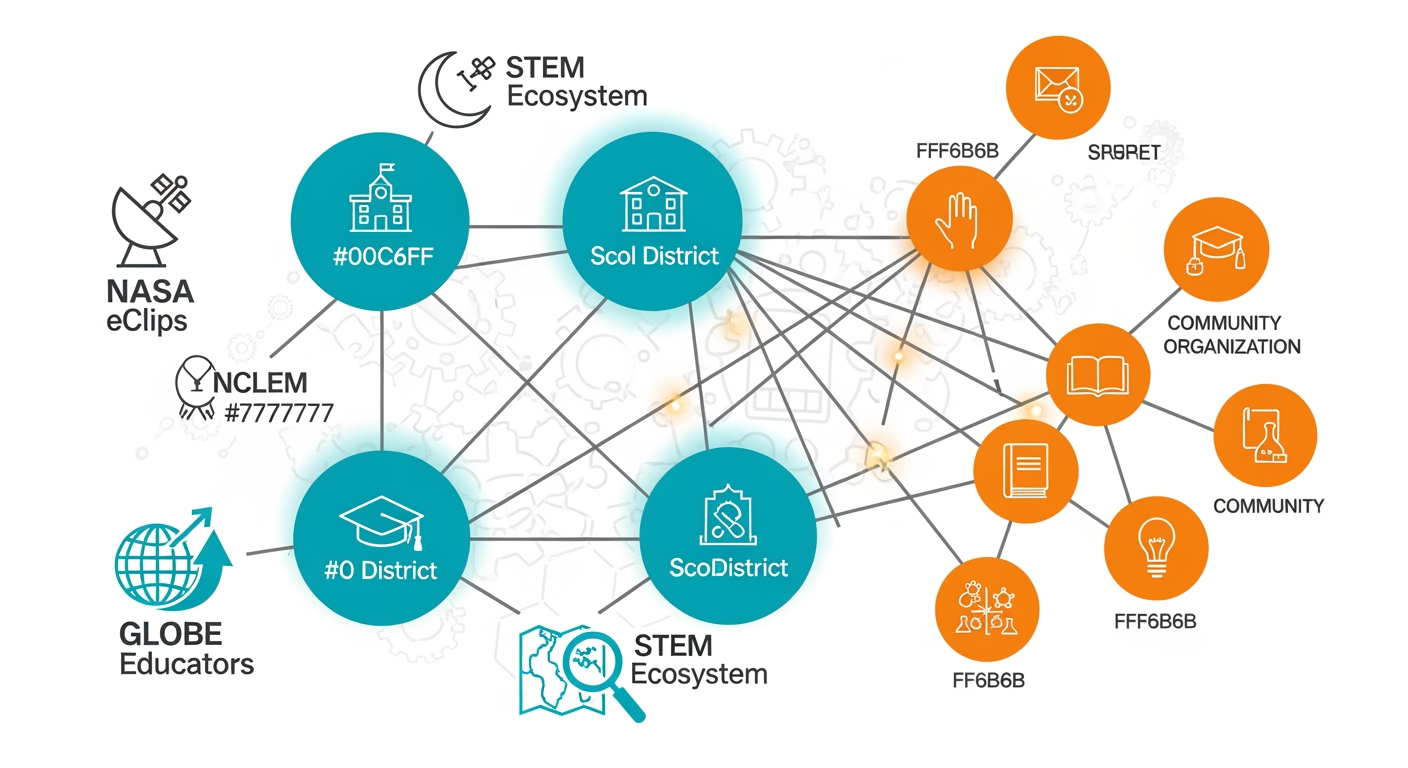
[ Scientific Visual Diagram | Diagrama Visual Científico ]
🇺🇸 Open Questions Remain
But wait we do not know everything yet This initiative raises new questions especially regarding scalability and sustainability How easy will it be to replicate similar models elsewhere Are there factors unique only here that make success challenging outside this regional context And then also measuring long-term benefits takes time Will funding continue Does student engagement lead lasting impact Hard telling Some mysteries leave us scratching heads for sure But hey sometimes questions themselves drive forward progress So let us see what unfolds next
🇺🇸 Preguntas Abiertas Persisten
Pero espera aún no tenemos todas respuestas Esta iniciativa plantea nuevas interrogantes especialmente sobre escalabilidad sostenibilidad Qué tan fácil será replicar modelos similares otros lugares Existen factores exclusivos solo aquí dificultan éxito fuera contexto regional Y también medir beneficios largo plazo requiere tiempo Seguirá financiamiento involucrarse estudiantil generará impacto duradero Difícil decir Algunos misterios nos hacen rascar cabeza sin duda Pero oye veces preguntas mismas impulsan progreso entonces veamos qué ocurre próximo
OPEN YOUR MIND
Source: Source
Support Open Your Mind
Donate via PayPal

Comments
Post a Comment