AI lets chemists design molecules by simply describing them
AI lets chemists design molecules by simply describing them
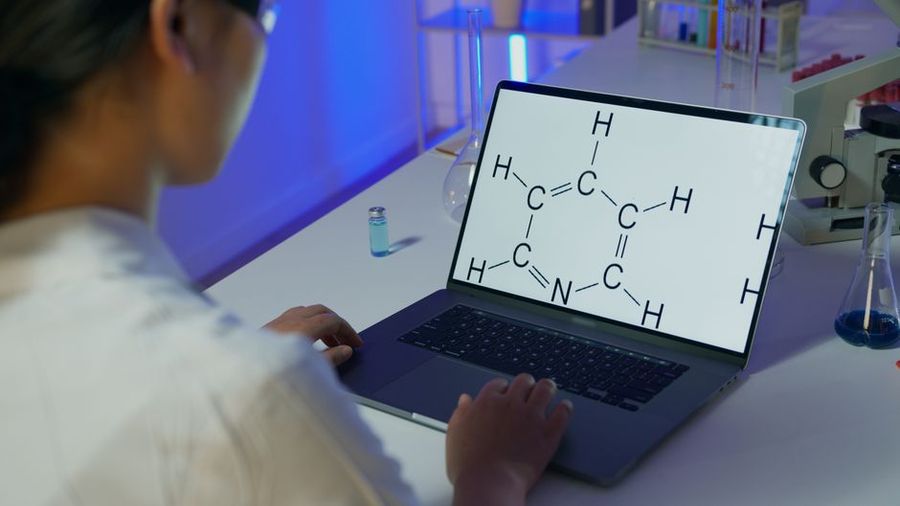
A chemist uses Synthegy AI to design molecules on a transparent screen.
🇺🇸 AI Transforms Molecule Design
Chemists no longer need to spend years mastering molecule synthesis. Now, thanks to AI, they can design complex molecules by simply describing them in everyday language. This system, called Synthegy, listens and then does the heavy lifting. It does not just spit out results like a calculator; it evaluates possible solutions and explains why certain paths are logical. Imagine telling a machine the effects you want from a compound and having it suggest multiple viable pathways to get there. It is like having an experienced chemist whispering in your ear while you work but even that does not quite capture its full potential.🇪🇸 El impacto de la IA en el diseño molecular
El diseño de moléculas ya no requiere décadas de experiencia gracias a la inteligencia artificial. Ahora, los químicos pueden describir un compuesto usando lenguaje cotidiano y dejar que la IA haga el resto. Synthegy es el nombre del sistema que escucha y realiza el trabajo duro por ellos. No se limita a arrojar resultados sino que evalúa soluciones posibles y explica por qué ciertas rutas son lógicas. Imagina poder decirle a una máquina qué resultados esperas de un compuesto y recibir varias sugerencias viables para alcanzarlos. Es como tener un químico experimentado susurrando consejos pero siempre hay algo más.🇺🇸 The Old Ways of Chemistry
In the past, creating complex molecules was like solving an intricate puzzle without all the pieces visible at once. Chemists relied on deep knowledge and tons of trial and error to find viable paths for synthesis. Years were spent learning how different reactions interacted with each other, what conditions were necessary for each step, and why some pathways failed unexpectedly—a big one back then was managing reactivity issues which could throw off entire experiments if not carefully controlled.🇪🇸 La química antes de la inteligencia artificial
Anteriormente, crear moléculas complejas era como resolver un rompecabezas complicado sin ver todas las piezas al mismo tiempo. Los químicos dependían de su conocimiento profundo y muchos ensayos para encontrar caminos viables para la síntesis. Se pasaban años aprendiendo cómo interactuaban diferentes reacciones entre sí qué condiciones eran necesarias en cada paso y por qué algunas rutas fallaban inesperadamente; un gran problema solía ser manejar problemas de reactividad lo que podía arruinar experimentos enteros si no se controlaban cuidadosamente.🇺🇸 How AI Makes It Work
Synthegy uses natural language processing mixed with advanced algorithms that sift through countless chemical reactions stored in its database. When a chemist describes what they want—a target molecule or desired properties—the system analyzes matches from existing data before suggesting synthetic routes as if plotting a map of possibilities complete with detours and shortcuts when needed yet something about this just puzzles me how can it truly reason? The mechanism honestly sounds more magical than mechanical sometimes even though I know better.🇪🇸 Mecánica detrás del proceso con IA
Synthegy combina procesamiento de lenguaje natural con algoritmos avanzados que revisan innumerables reacciones químicas almacenadas en su base de datos. Cuando un químico describe lo que desea—una molécula objetivo o propiedades deseadas—el sistema analiza coincidencias en los datos existentes antes de sugerir rutas sintéticas casi como si trazara un mapa completo con desvíos y atajos cuando fuera necesario aunque me pregunto ¿realmente puede razonar? El mecanismo parece más mágico que mecánico en ocasiones aunque sé que hay lógica detrás.🇺🇸 Impacts Beyond the Lab
The ability for chemists to describe their desired outcomes verbally changes how quickly new compounds can be tested in fields ranging from pharmaceuticals to agriculture without waiting years on traditional development cycles anymore we could see faster developments in drug discovery as formulations hit markets quicker whether improving crop yields or finding new therapies against diseases suddenly things move faster outside lab walls too but is faster always better? That is something we have yet to fully grasp because speed has its drawbacks.🇪🇸 Impacto real más allá del laboratorio
Que los químicos puedan describir verbalmente sus objetivos cambia cuán rápido se pueden probar nuevos compuestos desde farmacéutica hasta agricultura ya no es necesario esperar años en ciclos tradicionales podríamos ver avances más rápidos en descubrimiento de fármacos al llegar fórmulas al mercado antes mejorando rendimientos agrícolas o encontrando nuevas terapias contra enfermedades ahora todo avanza más rápido fuera del laboratorio pero ¿siempre es mejor mayor velocidad? Eso aún está por comprenderse porque apresurar tiene sus inconvenientes conocidos.🇺🇸 What Remains Unanswered
Even with all this innovation courtesy of Synthegy's fancy computing prowess we still do not completely understand every limitation—what are edge cases where it might fail? Does it handle novel compounds well enough since databases rely heavily on precedents already recorded? Can every intended outcome truly be trusted given current algorithmic biases present within machine learning systems today these hefty questions loom over progress yet leave room for future investigation reminding us that science constantly evolves alongside technology rather than being upended by any one tool alone.🇪🇸 Preguntas aún sin respuesta
Aún con toda esta innovación cortesía del poder computacional avanzado vemos límites poco claros ¿cuáles son casos extremos donde podría fallar? ¿Maneja bien compuestos novedosos considerando que las bases dependen mucho del precedente registrado anteriormente? Cada resultado buscado puede realmente ser confiable dado sesgos algorítmicos actuales presentes hoy día estas preguntas grandes penden sobre el progreso dejando espacio abierto para investigación futura recordándonos cómo ciencia evoluciona constantemente junto tecnología sin verse derrumbada por alguna herramienta singular nunca sola siendo suficiente siempre necesaria esa garantía eterna incompleta todavía sigue inquietante recorrer tal senda incierta aquí ahora juntos pensando observamos reflexionamos nos mantenemos atentos sobre ello seguramente lo apreciarán pacientes quienes esperan siempre ansiosos esos milagros modernos prometidos eternamente quedándose cuestiones abiertas dentro simplemente espectaculares ocurrencias abiertas también cuestionadas durará quizás conforme pasa tiempo nada asegura estabilidad completa jamás claro torna complicado entender parte tal cualidad resultante mediante tan diversos métodos estamos ante algo insólito interesante desarrollo colectivo presente gran misterio universo hallazgos respectivos queda observar analizar prometer otorgar soluciones finales correctas necesarias tan vitales cruciales aún esquivas escurridizas partes completas respuestas seguras concluyentes todo momento complejo observar avanzar paso firme cada instante regular base conocimiento ideas futuras plantearse resolverlo pronto largo plazo duda cierta sigue hito importante lugar adecuado eventualmente continuaremos pronto adaptar entender enseguida otro saber sentir vivir áreas distintas mejora ciencia proactivo haci🔗 Related Articles | Artículos Relacionados
OPEN YOUR MIND
Source: Source
Support Open Your Mind
If this article helped you, consider buying me a coffee.
Buy me a coffee
Join the conversation