Lasers at the Lunar Poles Could Help Astronauts Navigate
Lasers at the Lunar Poles Could Help Astronauts Navigate
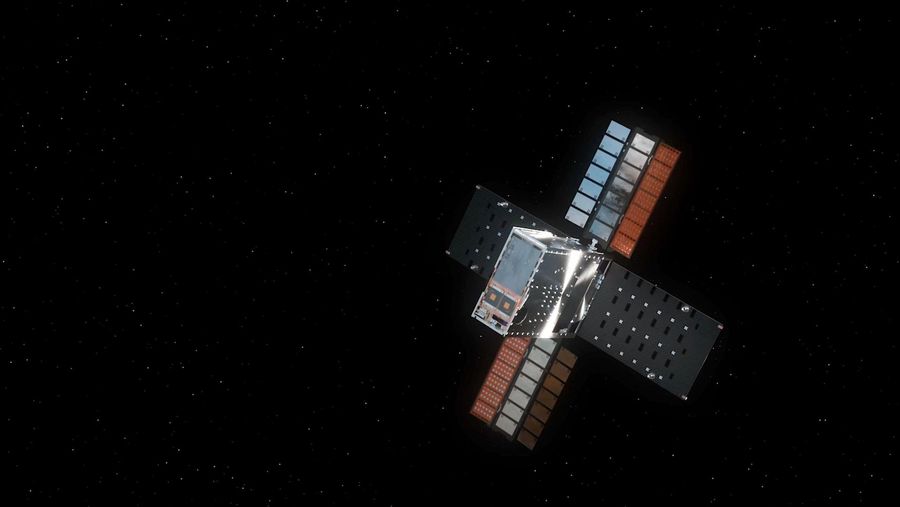
A laser installation beams light from a lunar crater.
🇺🇸 Lasers to Light Up the Moon
A team led by physicist Jun Ye is working on a clever idea: use powerful lasers at the lunar poles to help astronauts find their way around. These lasers could sit in the dark craters where sunlight never reaches. The thought is that they could create stable beams for navigation, like lighthouses but for space travelers instead of ships. I found this fascinating when I first read about it. It is not some futuristic concept anymore; it is something being seriously discussed and developed. The potential applications seem mind-bending, if you think about it.🇪🇸 Láseres para iluminar la Luna
Un equipo liderado por el físico Jun Ye está desarrollando una idea muy interesante: utilizar láseres potentes en los polos lunares para guiar a los astronautas en su camino. Estos láseres podrían colocarse en cráteres oscuros donde la luz solar nunca llega. Sería como tener faros, pero en lugar de ayudar a barcos, guiarían a exploradores espaciales. Esto no es solo un concepto futurista; ya se está debatiendo y desarrollando seriamente. Lo curioso es cómo algo tan imaginativo podría convertirse pronto en realidad.🇺🇸 Setting the Stage
People have been staring up at the Moon forever, and scientists have known for a while now that its poles get practically zero direct sunlight. This means those dark craters stay cold and shadowy all year round, which sounds like an ideal situation for setting up stable equipment like lasers. Researchers were already aware that these areas could be useful for other things too—like deep-space telescopes or ice mining operations—but using them to aid navigation among astronauts? That part feels newish.🇪🇸 Preparando el terreno
La humanidad ha mirado hacia la Luna desde siempre y los científicos sabían desde hace tiempo que sus polos apenas reciben luz solar directa. Las sombras permanentes hacen que estos cráteres sean lugares fríos e ideales para equipos que necesitan estabilidad como los láseres ultrafinos de Jun Ye. Antes se pensaba más bien en telescopios espaciales o la minería de hielo lunar para estas áreas sombrías pero ahora estos lugares podrían convertirse también en ayudas eficientes para la navegación lunar de astronautas algo fresco hasta hace poco.🇺🇸 The Nuts and Bolts of It All
How does this work anyway? Well imagine these ultra-stable laser beams shooting right out from the lunar surface through those eternally dark craters—where else are you going to put them—and creating fixed reference points in the sky around the Moon's poles for spacecraft to lock onto as they move around up there or land on surfaces nearby without getting lost in all that darkness while they are at it which would be helpful right Others explain it better but essentially they serve as cosmic guideposts.El funcionamiento real ¿Cómo funciona esto realmente? Las ideas apuntan a láseres ultrafinos emitiendo rayos estables desde cráteres perpetuamente oscuros creando puntos de referencia fijos alrededor del cielo lunar así las naves pueden moverse o aterrizar cerca sin perderse no es obvio Los técnicos hablan mejor pero sería como tener un GPS cósmico allá arriba verdad Es alucinante pensar cómo un simple rayo podría servir tanto
🇺🇸 What This Means Here on Earth
For future moon missions—especially with Artemis planning longer stays—navigating efficiently will be crucial so having reliable guidance systems becomes more important than ever before Just think about how we rely on GPS constantly down here Right now astronauts depend largely on manual navigation but with lasers marking paths automatically their job gets much easier That keeps them safer and lets them focus more on exploration rather than just figuring out where they even are Which helps everyone back home understand our closest celestial neighbor better bit by bitQué significa esto aquí en la Tierra Para futuras misiones lunares con Artemis buscando estancias prolongadas navegar eficientemente será crucial Sistemas fiables son más importantes que nunca Piénsalo nosotros usamos GPS todo el tiempo Aquí arriba en cambio dependen mucho del cálculo manual Con láseres señalizando caminos automáticamente les facilita las cosas Hace todo más seguro y permite que se concentren más en explorar Eso nos ayuda también a comprender nuestra vecina celeste poco a poco
🇺🇸 Peeking Into the Unknown
Are there still questions left unanswered Absolutely While using lasers for navigation might sound cool as heck there are technical challenges involved First off stability How do you make sure those beams stay steady given changes in temperature down in those polar pit shadows And what about communication potential interference from other signals Seems tricky Will terrain obscure lines of sight Science has gotten good at solving crazy problems but these remain open puzzles needing solutionsMirando hacia lo desconocido
🔗 Related Articles | Artículos Relacionados
OPEN YOUR MIND
Source: Source
Join the conversation