Agentic AI for Robot Teams
Agentic AI for Robot Teams
🇺🇸 Agentic AI in Action
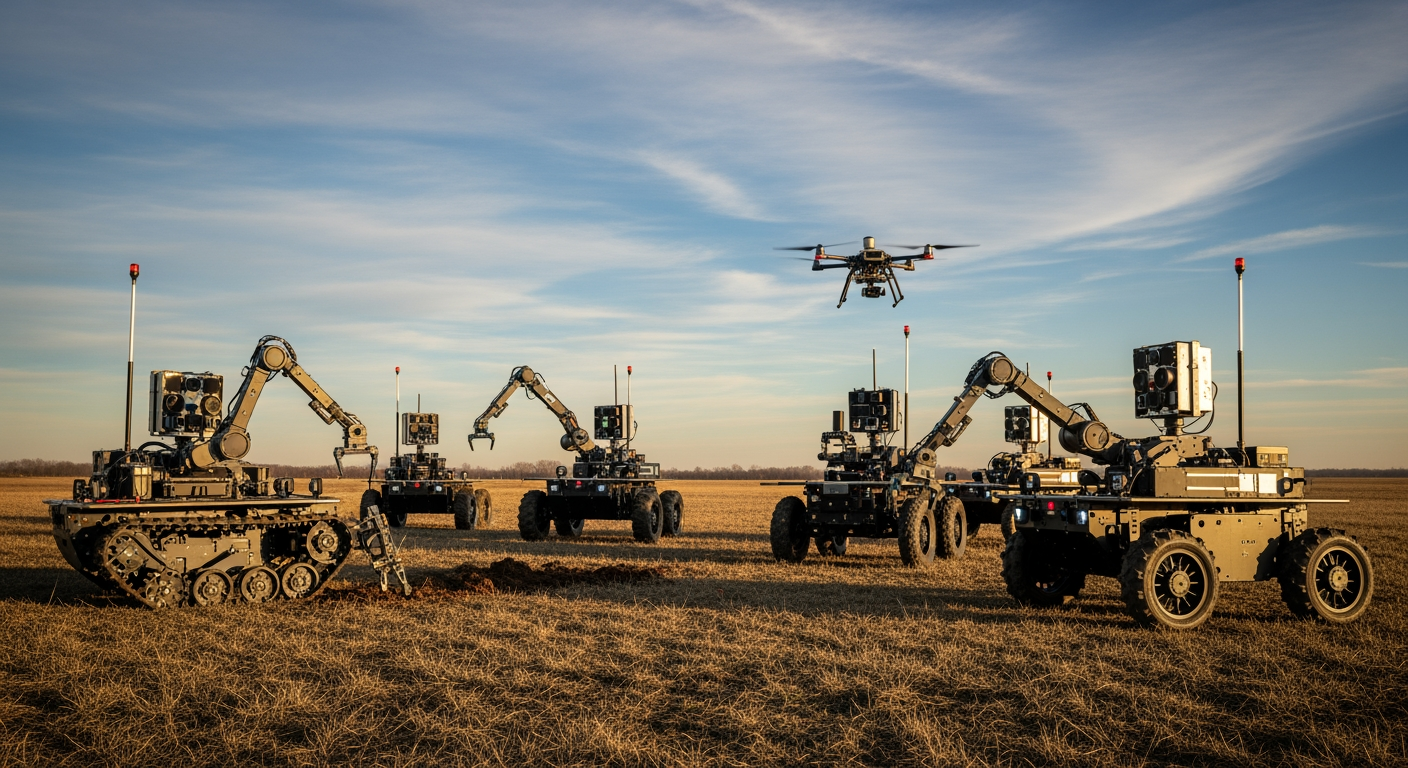
Johns Hopkins Applied Physics Laboratory has moved AI forward with this project. Seriously. Those folks are trying to achieve true autonomy for robotic teams, which sounds like a sci-fi movie plot but is happening in real labs. They developed an architecture that lets different robots work together and make decisions on their own. It's like giving them their brains instead of following a human's every command. The AI makes calls based on its understanding of the situation around it and coordinates with other robots. All of this without needing constant human input, which is pretty wild if you think about it.🇪🇸 El nacimiento de la IA agentiva
En el Laboratorio de Física Aplicada de Johns Hopkins han dado un paso enorme con esta investigación en IA agentiva para equipos robóticos colaborativos. Crearon una arquitectura que permite a los robots tomar decisiones de manera autónoma y trabajar en conjunto, como si tuvieran su propio cerebro. No dependen constantemente de órdenes humanas, lo cual es sorprendente al pensarlo bien. Los robots se coordinan entre sí y evalúan su entorno para actuar según sea necesario sin intervención humana constante.
🇺🇸 What We Knew Before
Autonomous systems have been around for a while, right? Self-driving cars, drones flying solo, even household vacuum cleaners doing their thing without supervision. But making diverse robotic systems talk to each other like they're at some robot family reunion is different. Previous attempts focused on single-task bots or tightly controlled environments where every variable was known ahead of time. That kind of takes away the fun and challenge of letting them loose in the real world where surprises lurk at every corner.🇪🇸 Lo que ya sabíamos
Los sistemas autónomos no son cosa nueva: coches que se conducen solos, drones independientes o esas aspiradoras que limpian solas sin supervisión humana inmediata son ejemplos claros. Pero lograr que distintos sistemas robóticos hablen entre sí como si estuvieran en una reunión familiar es otra historia completamente diferente y complicada además. Antes se centraban en robots diseñados para tareas únicas o entornos controlados donde no había lugar para sorpresas ni cambios inesperados.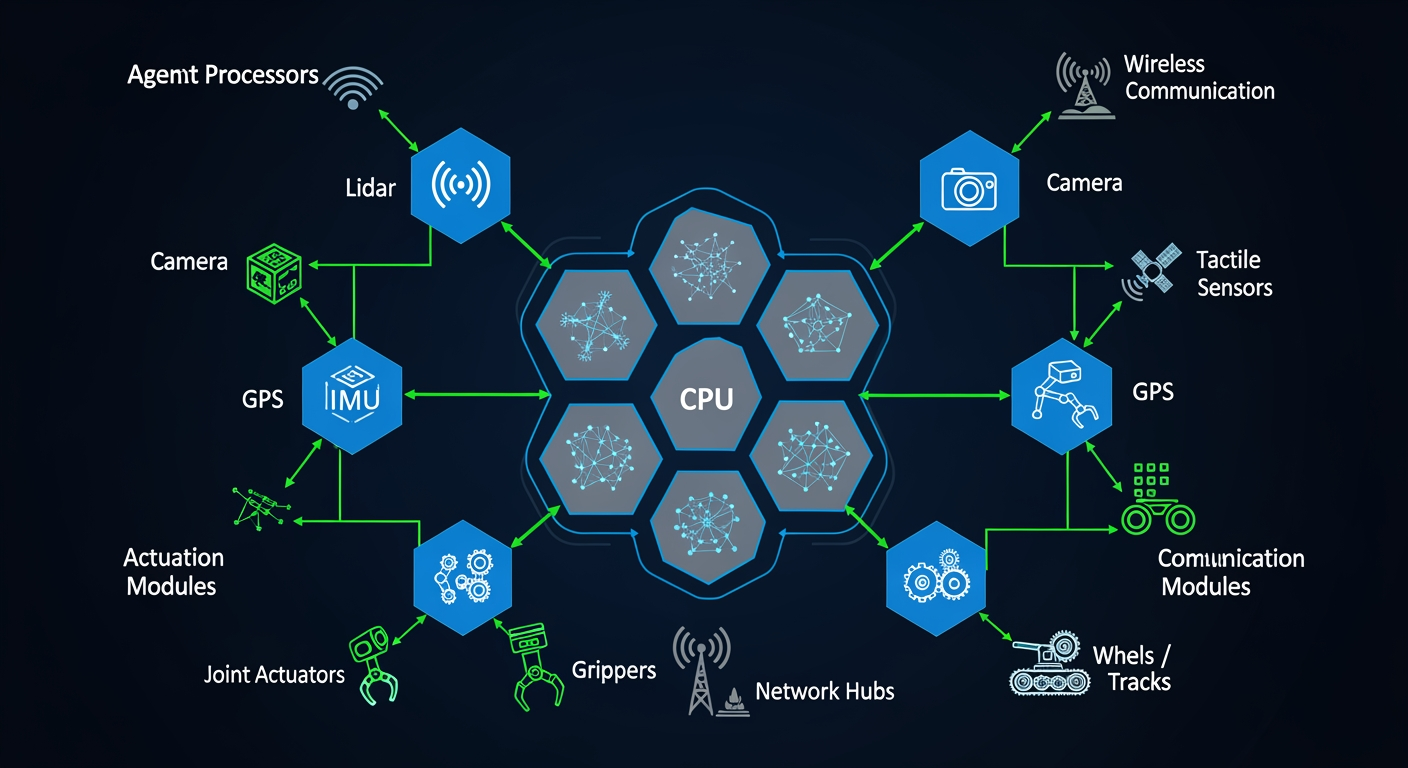
[ Scientific Visual Diagram | Diagrama Visual Científico ]
🇺🇸 Under the Hood: How It Works
This system is all about adaptability and communication among robots that aren't identical twins but more like distant cousins who need to work together anyway. It's built on scalable architecture designed for multi-robot environments where coordination isn't just useful but necessary. The setup relies heavily on large language models translating situational data into actionable directives that these machines understand and execute independently while sharing insights with one another seamlessly.🇪🇸 Cómo funciona mecánicamente
El sistema se enfoca en la adaptabilidad y comunicación entre robots que no son gemelos idénticos sino más bien primos lejanos con la necesidad de colaborar juntos aun así. Está construido sobre una arquitectura escalable diseñada específicamente para entornos con múltiples robots donde coordinarse es esencial Este enfoque aprovecha modelos grandes de lenguaje que traducen datos situacionales en directrices comprensibles permitiendo así que cada máquina actúe por su cuenta compartiendo sus hallazgos con las demás sin problema alguno.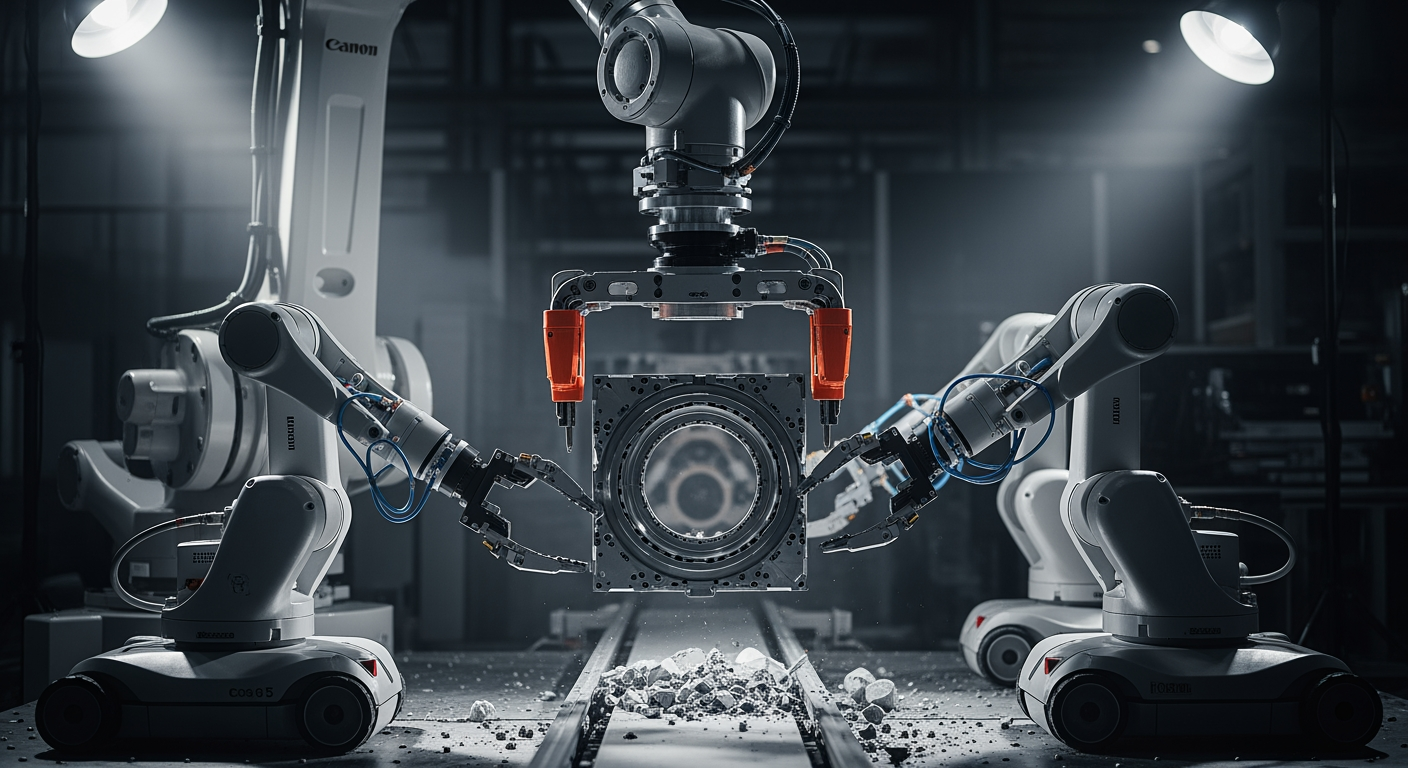
🇺🇸 Real World Impact
What changes when these robot teams hit the streets? Imagine disaster zones or search-and-rescue missions where every second counts and humans can't get there fast enough or safely enough Autonomous robotics could handle those situations faster than we can process what's happening Letting them self-coordinate creates efficiency Humans still manage strategy but now they have intelligent helpers responding dynamically rather than waiting for detailed instructions🇪🇸 Impacto en el mundo real
¿Qué cambia cuando estos equipos robóticos salen al mundo? Piensa en zonas de desastre o misiones de búsqueda y rescate donde cada segundo cuenta Robots autónomos podrían manejar estas situaciones mucho más rápido Permitirles auto-coordinarse crea eficiencia Los humanos aún manejan la estrategia pero ahora cuentan con ayudantes inteligentes respondiendo dinámicamente en vez de esperar instrucciones detalladas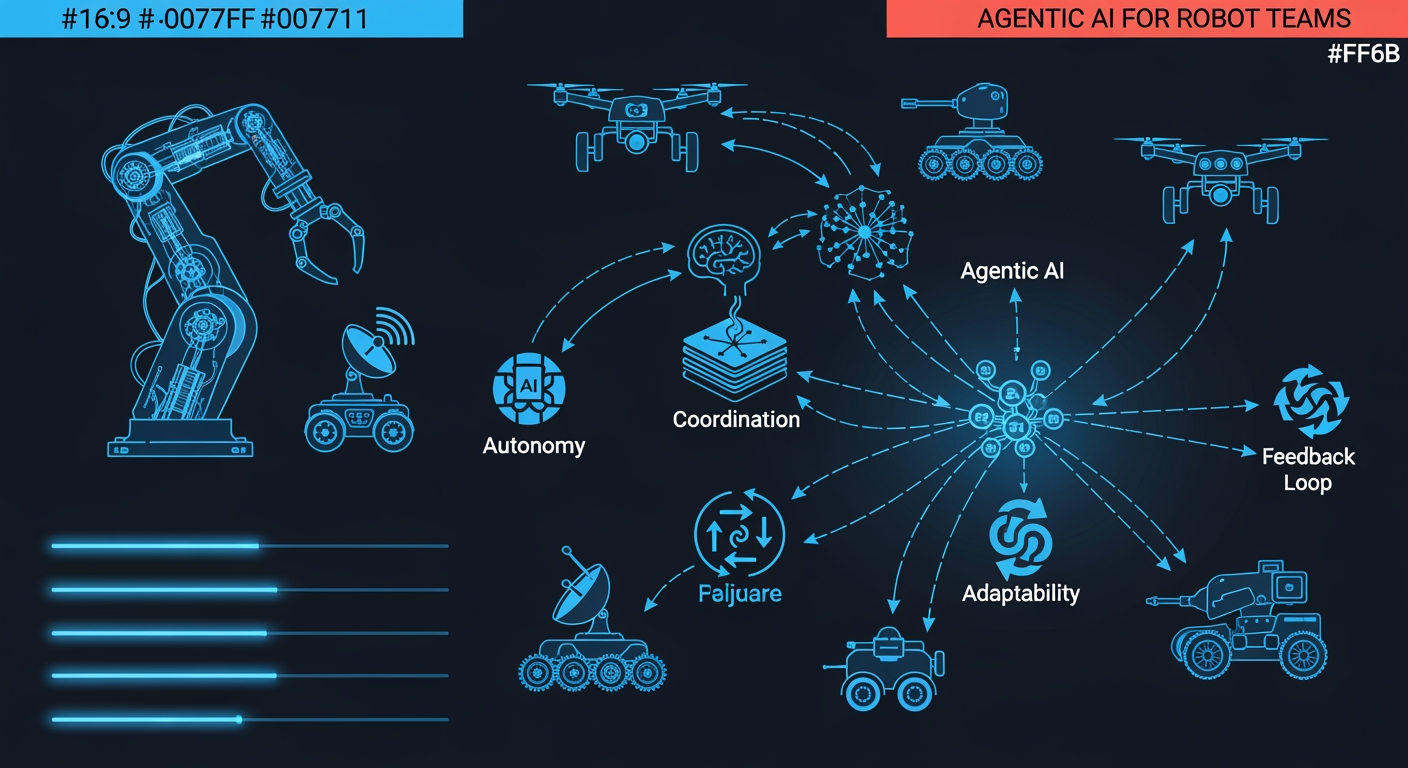
[ Scientific Visual Diagram | Diagrama Visual Científico ]
🇺🇸 Unanswered Questions Linger
There's stuff we still don't know Like how do you ensure security so rogue code doesn't turn helpful bots into nuisances Or how do you balance autonomy with accountability if something goes wrong What about ethical dilemmas when machines make choices that affect lives These aren't easy questions Even smart people working hard might not have all answers yet And that's okay Nobody said developing advanced AI would be simple🇺🇸 Quedan preguntas sin resolver
Aún hay cosas inciertas Cómo asegurar una seguridad rigurosa evitando códigos maliciosos convirtiendo bots útiles en amenazas O cómo equilibrar autonomía y responsabilidad si ocurre algún error Qué pasa con los dilemas éticos cuando máquinas toman decisiones afectando vidas Estas preguntas no son fáciles Incluso gente inteligente trabajando intensamente podría no tener todas las respuestas Y está bien Nadie dijo que desarrollar inteligencia artificial avanzada sería sencillo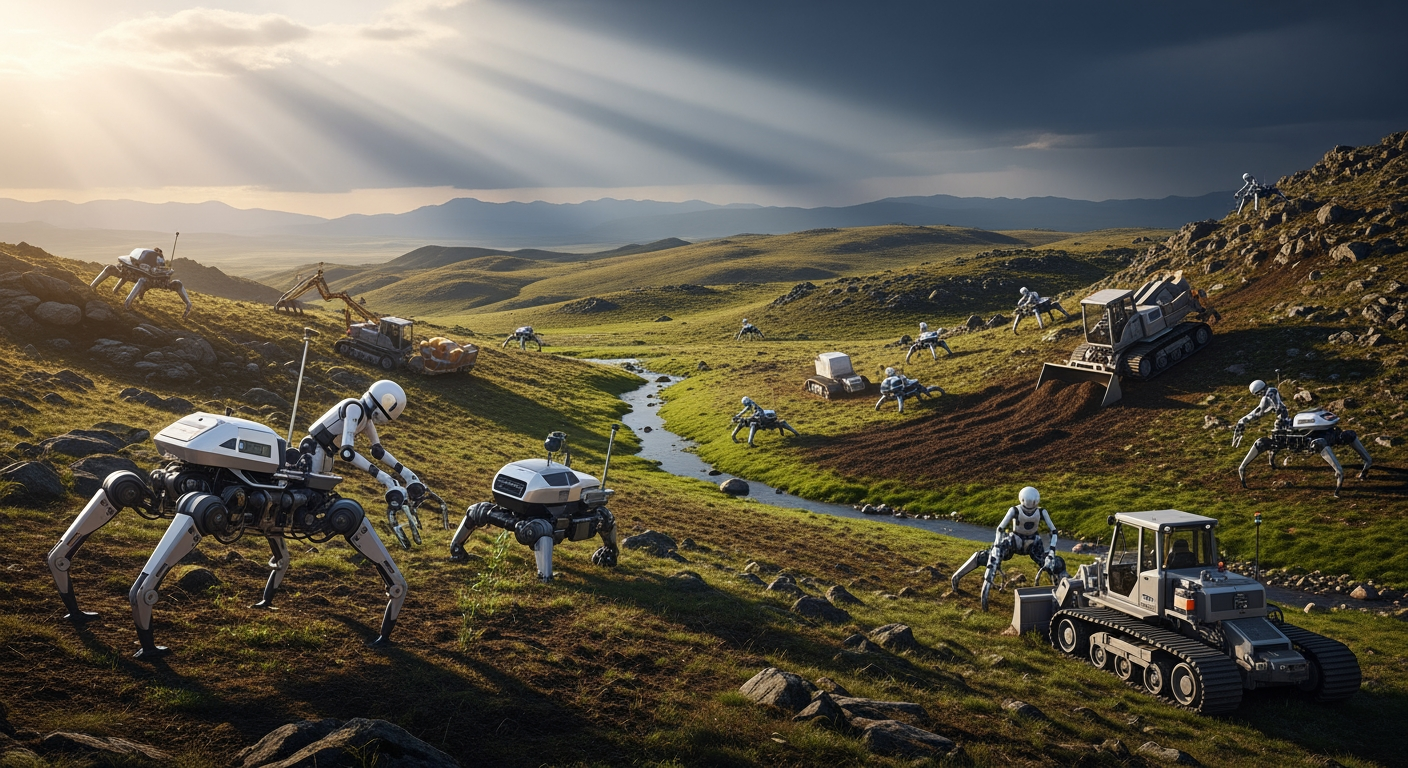
🔗 Related Articles | Artículos Relacionados
OPEN YOUR MIND
Source: Source
Support Open Your Mind
If this article helped you, consider buying me a coffee.
Buy me a coffee
Join the conversation