NASA Draws on Industry for Mars Telecommunications Network
NASA Draws on Industry for Mars Telecommunications Network
🇺🇸 NASA's New Call to Industry
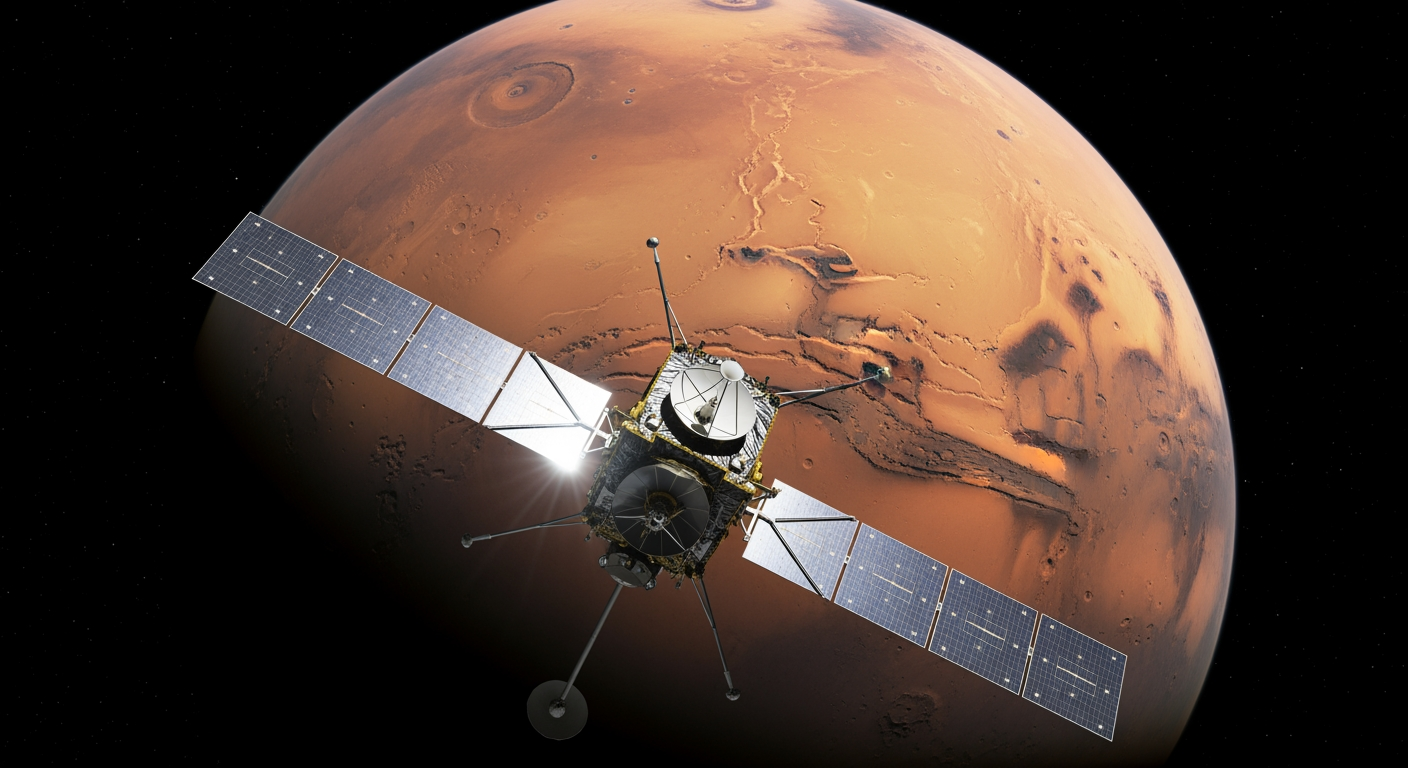
NASA openly asked companies to step up with ideas for a Mars Telecommunications Network. A Request for Proposal is out there now. They want high bandwidth, reliable communications for Mars missions. The plan involves sending up some hardcore orbiters around Mars. These devices will handle the job of beaming back science data and HD images from the Martian surface. Sounds futuristic, right? But really, it's about laying down infrastructure for future exploration. Imagine all that data coming through clear as day.
🇪🇸 La nueva convocatoria de NASA a la industria
NASA lanzó una solicitud para que las empresas se involucren en un proyecto de red de telecomunicaciones para Marte. Ahora hay un RFP disponible y buscan comunicaciones confiables y con mucho ancho de banda para las misiones en Marte. La idea es enviar orbitadores alrededor del planeta rojo para transmitir datos científicos e imágenes en alta definición desde la superficie marciana. Parece algo del futuro, pero es cuestión de preparar el camino para futuras exploraciones más avanzadas.
🇺🇸 Mars Communication: Not Their First Rodeo
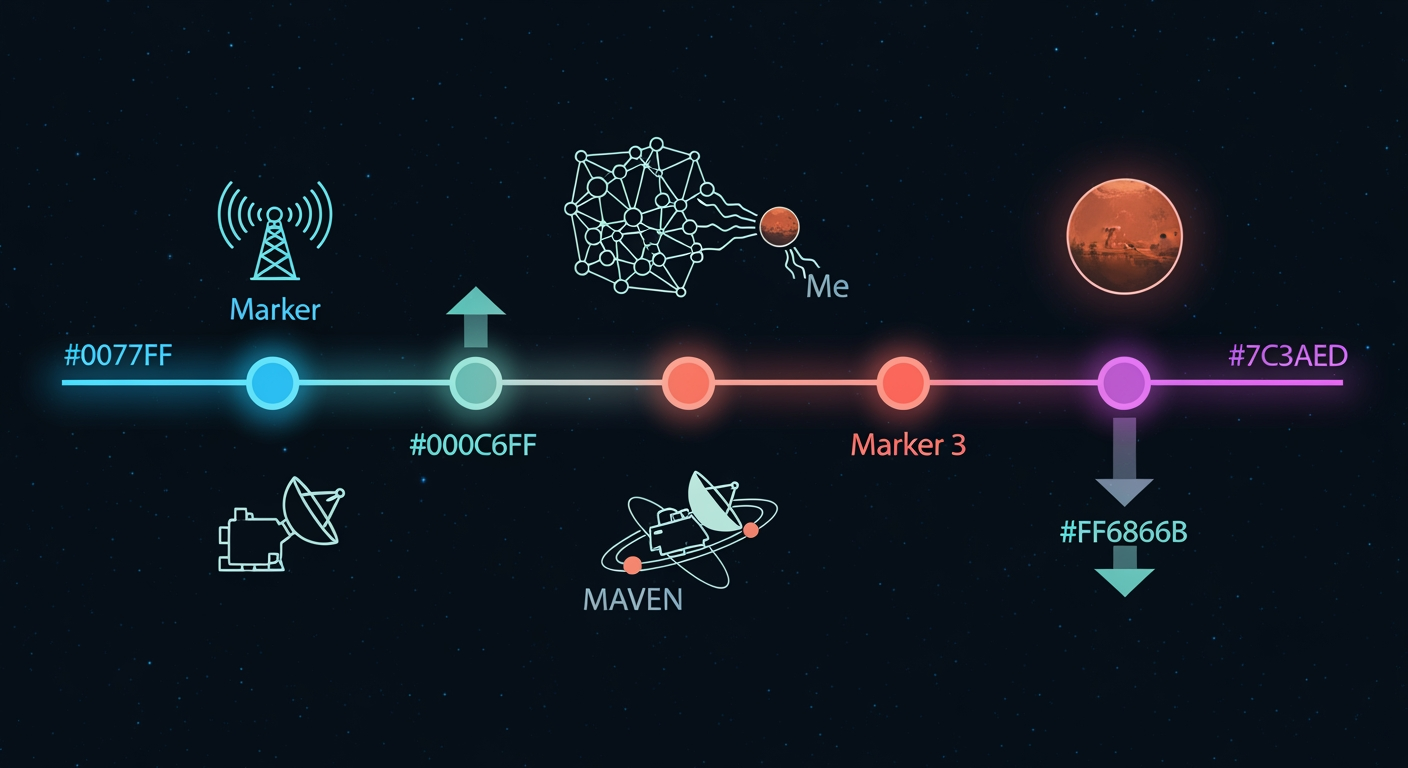
People might think this is brand new but NASA already has some experience here. They've been communicating with Martian rovers and landers for years using different methods including satellites like the Mars Reconnaissance Orbiter and MAVEN spacecraft. These tools have proved super effective in gathering and sending back crucial info from the Martian landscape over time which is kind of amazing when you think about it considering how far away Mars actually is.
🇪🇸 Comunicación con Marte: No es su primer rodeo
Podría pensarse que esto es algo completamente nuevo pero la verdad es que NASA ya tiene experiencia comunicándose con rovers y módulos en Marte desde hace años usando satélites como el Mars Reconnaissance Orbiter y MAVEN, entre otros métodos eficientes para recopilar y enviar información clave desde allá lejos en el paisaje marciano lo cual resulta bastante sorprendente si consideramos cuán distante realmente está Marte.
[ Scientific Visual Diagram | Diagrama Visual Científico ]
🇺🇸 How Do You Even Build This Thing?
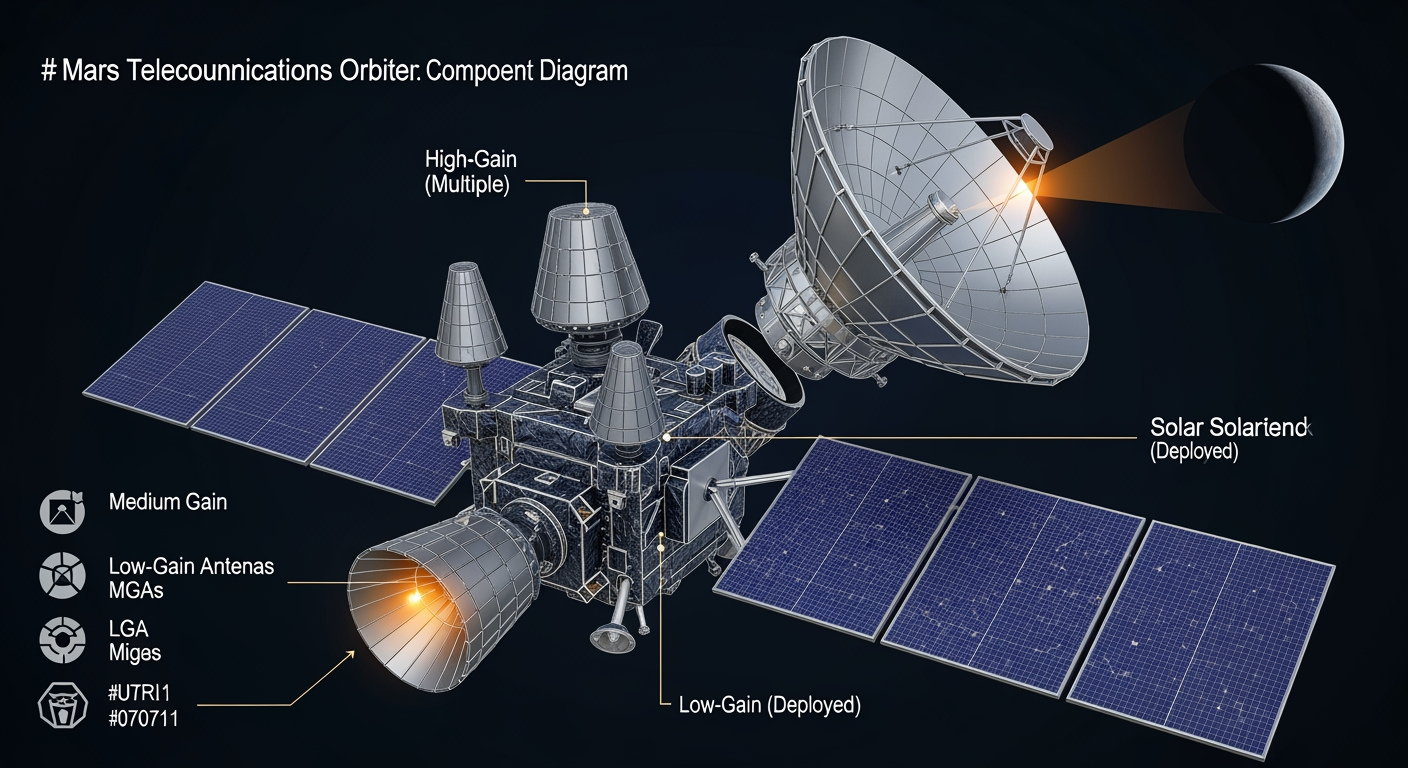
The basic design is simple to describe. A few orbiters circle Mars and act as relay stations. Rovers and landers send data up to them. The orbiters then pass it on to Earth. Radio waves do this job today. Lasers could carry much more data, but they are harder to aim across such a distance. NASA has not settled which one to use, or whether to mix them. That is still open. What is clear is the engineering problem. Each orbiter needs power, precise pointing, and a reliable link home.
🇪🇸 ¿Cómo construir todo esto?
La idea es sencilla de explicar. Se pondrían varios orbitadores alrededor de Marte para que hagan de puente entre la superficie y la Tierra. Los róveres hablarían con ellos, y los orbitadores enviarían los datos hacia acá. Para eso se usarían ondas de radio, y quizás láseres. Todavía no está decidido. La industria privada aportaría diseño y fabricación, porque NASA no quiere cargar sola con todo el trabajo. Hay dudas sobre el costo y los plazos. Es normal en esta etapa. Aun así, la ingeniería de base ya existe y funciona.
🇺🇸 What Does This Mean For Us Here On Earth?
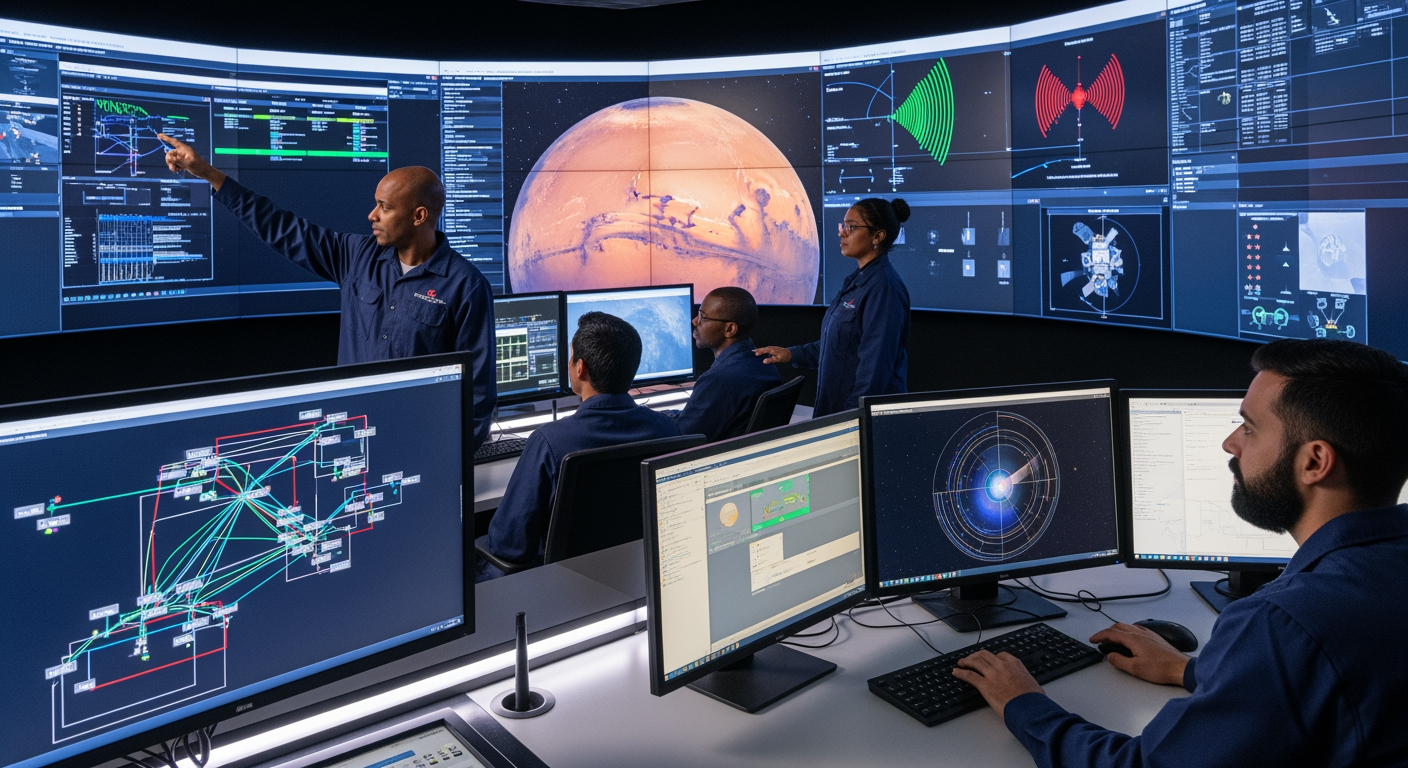
For most of us on Earth, the change will show up in small ways first. A stronger network means data from Mars can reach scientists faster and in larger amounts. Teams can then adjust their plans based on fresh results instead of old ones. That matters when a rover has a limited window to work. We will also likely see sharper images and more video from the surface. How much better, and how soon, is still unclear. Much depends on funding, launch schedules, and what the companies actually deliver.
🇪🇸 ¿Qué significa esto para nosotros aquí en la Tierra?
Para nosotros aquí en la Tierra, el beneficio más claro es la velocidad. Una red de comunicaciones mejor podría enviar más datos desde Marte en menos tiempo. Los científicos recibirían los hallazgos más pronto. Con esa información fresca, podrían ajustar sus planes mientras una misión sigue activa. Eso importa cuando el tiempo es limitado. Todavía no sabemos cuánto mejorará el servicio, porque la red aún no existe. Pero hay otro beneficio más sencillo. Recibiríamos más fotos de otro planeta, y con mejor calidad. Eso también cuenta.
[ Scientific Visual Diagram | Diagrama Visual Científico ]
🇺🇸 Still Some Big Questions Left Unanswered
Plenty is still unsettled. Nobody can say yet how new orbiters will hold up against Martian dust, radiation, and extreme cold. Existing spacecraft have lasted a long time, but a bigger network asks more of every part. There is also the matter of a backup plan. If development slips or a contractor fails, it is unclear what happens next. Planning has come a long way. It is not finished. I would rather wait for hard test results than guess. Honest answers will probably take years.
🇪🇸 Aún quedan grandes preguntas sin respuesta
Todavía quedan preguntas importantes sin respuesta. No sabemos con certeza cómo resistirán los orbitadores el polvo, la radiación y los cambios de temperatura de Marte. Tampoco está claro cuál sería el plan de respaldo si uno de ellos falla durante su desarrollo. NASA ha planificado mucho, pero el proyecto sigue lejos de estar terminado. Los contratos con la industria podrían ayudar a repartir costos y riesgos. Aun así, ninguna empresa puede prometer plazos firmes todavía. Habrá que esperar y ver qué soluciones proponen los ingenieros en los próximos años.
🔗 Related Articles | Artículos Relacionados
OPEN YOUR MIND
Source: Source
Join the conversation