Virgin Galactic's Apeiron First Flight of the Delta Spaceship
Virgin Galactic's Apeiron First Flight of the Delta Spaceship
Main visual for Virgin Galactic's Apeiron First Flight of the Delta Spaceship
🇺🇸 A spaceship left the ground, sort of
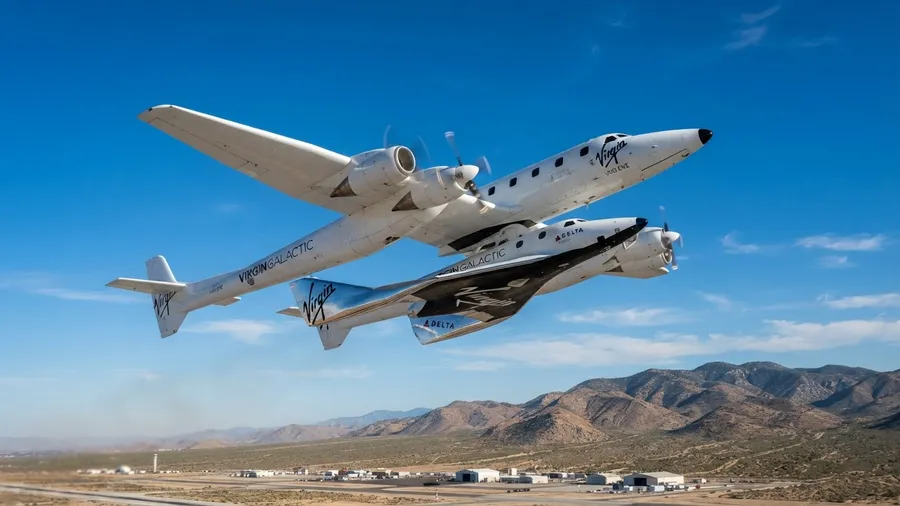
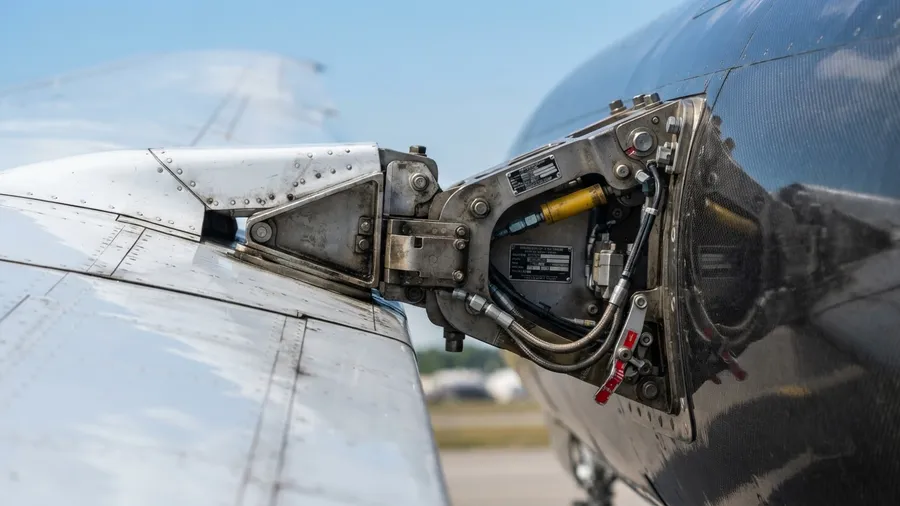
Thursday morning, a spaceship left the ground. Sort of. Apeiron, the first Delta class vehicle from Virgin Galactic, rose into the sky on October 29 bolted beneath the wings of its carrier aircraft, Eve. It did not fly on its own. Nobody lit a rocket motor and nobody let go. This was a captive carry flight, meaning Eve did the hauling while the crew watched how the new ship behaved hanging off the wing. Boring on paper. But it is the first time this particular airframe has been airborne at all, which is strange, if you think about it, given how long the Delta program has been talked about.
🇪🇸 Apeiron ya estuvo en el aire, más o menos
Apeiron ya estuvo en el aire. Bueno, más o menos. El jueves 29 de octubre, el primer avión espacial de la clase Delta de Virgin Galactic despegó colgado bajo las alas de Eve, la nave nodriza que lo carga. No hubo motor cohete encendido. Nadie lo soltó. Los pilotos solo querían ver cómo se portaba la nave nueva mientras viajaba pegada al ala, y vigilar sus sistemas. Parece poca cosa, lo sé. Pero es la primera vez que este fuselaje en particular se despega del suelo, y eso importa después de tanto tiempo hablando del programa Delta. El nombre viene del griego y se acerca a lo ilimitado, algo ambicioso para una prueba tan tranquila.
Detail view related to Virgin Galactic's Apeiron First Flight of the Delta Spaceship
🇺🇸 Unity was the old ship
Unity was the old ship. VSS Unity was built by hand and basically one of a kind. It carried two pilots and four passengers, and in July 2021 it took Richard Branson to about 86 kilometers up. Its last mission came in June 2024, and then the company stepped back to build something better. Unity never flew often. A few flights a year, with long gaps in between. That was the real problem. A business that sells seats cannot run on a rare aircraft that needs months of care between trips. Delta is the answer on paper: six passenger seats, a design meant for factory style production, and a much faster turnaround.
🇪🇸 Antes de Apeiron estaba la Unity
Antes de Apeiron existió la VSS Unity, una nave casi artesanal. Llevaba dos pilotos y cuatro pasajeros. En julio de 2021 subió a Richard Branson a unos 86 kilómetros de altura, y su último vuelo fue en junio de 2024. Después la empresa paró para construir algo mejor. El problema de Unity nunca fue la hazaña, sino la frecuencia. Pocos vuelos al año, con pausas largas entre uno y otro. Así no se sostiene un negocio que vende asientos. La clase Delta promete seis pasajeros, producción más parecida a una fábrica y mucho menos tiempo entre vuelo y vuelo. Prometer es barato, eso sí. Falta verlo.

Scientific diagram illustrating key concepts of Virgin Galactic's Apeiron First Flight of the Delta Spaceship
🇺🇸 How the flight is supposed to work
Eve climbs to roughly 15 kilometers with the spaceship slung underneath. Then comes the release. The pilot lights a hybrid rocket motor, which burns a solid fuel with nitrous oxide, and the ship punches upward past Mach 3. After the burn it coasts above 80 kilometers, the edge of space by the American definition. Coming down is the clever part. The tail booms rotate upward, which the company calls feathering, and the ship drops belly first like a badminton shuttlecock, stable without much fuss. Later the tails go back down and it glides to a runway. I am not sure what Delta changed in the motor itself. I kept looking for details and found little.
🇪🇸 El truco está en la bajada
El truco del vuelo está en la bajada, aunque primero hay que subir. Eve sube con la nave colgada hasta unos 15 kilómetros. Se suelta. El piloto enciende un motor cohete híbrido, que quema combustible sólido con óxido nitroso, y la nave supera Mach 3. Luego sigue subiendo por inercia, sin motor, hasta pasar los 80 kilómetros. Para bajar, la cola se dobla hacia arriba, lo que ellos llaman pluma, y la nave cae de panza, estable como un volante de bádminton. Al llegar a aire denso, la cola vuelve a su sitio y planea hasta la pista. No sé qué cambió exactamente en el motor de la Delta, y la empresa dice poco.

The process described in Virgin Galactic's Apeiron First Flight of the Delta Spaceship
🇺🇸 What changes, and for whom
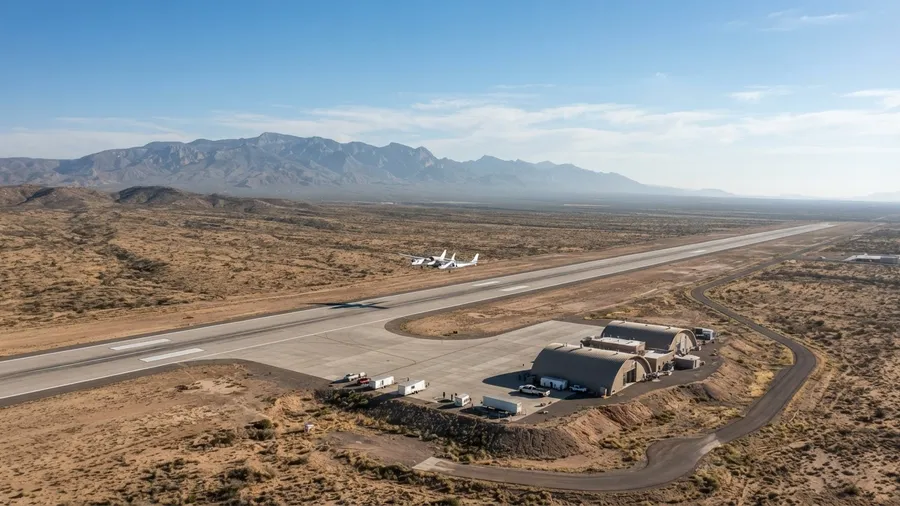
For most people, nothing changes. Better to say that plainly. A seat costs several hundred thousand dollars, so the customers are a tiny slice of humanity. What changes is the count. Six seats instead of four, and in theory flights every week or so instead of every few months. That matters to researchers too, because a few minutes of weightlessness on a ship that flies often should be cheaper than an orbital launch. And it matters in New Mexico, where Spaceport America leans on this company for jobs. If Delta works, a few hundred people a year could go. If it does not, that is a lot of empty hangar.
🇪🇸 Casi nada cambia, salvo los números
Para casi todos, nada cambia. Mejor decirlo claro. Un asiento cuesta cientos de miles de dólares, así que los clientes son una fracción minúscula de la humanidad, y yo no estoy en esa lista. Lo que sí cambia es la cantidad. Seis asientos en vez de cuatro, y en teoría vuelos cada semana en lugar de cada pocos meses. Para los científicos eso significa más oportunidades de mandar experimentos a unos minutos de ingravidez, y a un costo menor que un lanzamiento orbital. Y para Nuevo México, donde Spaceport America depende de esta empresa, significa trabajo. Si Delta falla, quedan hangares vacíos en pleno desierto.

Data visualization for Virgin Galactic's Apeiron First Flight of the Delta Spaceship
🇺🇸 What nobody can answer yet
Nobody outside the company knows when Apeiron will fly its first glide test, the drop from Eve without the motor. Nobody knows whether one ship can really fly about once a week, which seems to be the target, or whether the first months look more like once a month. And as far as I can tell, the new motor has not been fired in this airframe, so its performance past Mach 3 is still unmeasured.
🇪🇸 Lo que todavía no se sabe
Nadie fuera de la empresa sabe cuándo Apeiron hará su primer vuelo planeado, soltándose de Eve sin encender el motor. Tampoco sabemos si una sola nave puede volar una vez por semana, que parece ser la meta, o si los primeros meses serán más bien un vuelo al mes. Y hasta donde sé, el motor nuevo no se ha probado en este fuselaje, así que su rendimiento pasado Mach 3 sigue sin medirse.
Real world context for Virgin Galactic's Apeiron First Flight of the Delta Spaceship
🔗 Related Articles | Artículos Relacionados
Nuestro canal transmite datos curiosos de ciencia, IA, espacio y tecnología las 24 horas. | Our channel streams science facts, AI, space and technology around the clock.
▶ Ver transmisión | Watch liveOPEN YOUR MIND
Source: Source
Join the conversation