Mapping PFAS Contamination in the Finger Lakes Region
Mapping PFAS Contamination in the Finger Lakes Region

Sunrise over the Finger Lakes highlights natural beauty.
🇺🇸 PFAS Contamination in Finger Lakes Uncovered
Professor Damian Helbling at Cornell University noticed his inbox flooded with messages from concerned residents in 2023. The EPA had just rolled out new regulations to curb PFAS in drinking water. This spiked local interest. People wanted answers about the water they swam in and drank. Helbling's research team found PFAS in various water bodies across the Finger Lakes region. These include ponds, lakes, streams, and creeks. Some of these chemicals have been linked to health issues like cancer. It is not as though the water suddenly became contaminated overnight. It is just that now we are looking more closely and finding what was already there. This revelation stirred a mix of curiosity and concern amidst communities relying heavily on these water bodies.
As an Amazon Associate I earn from qualifying purchases.

🇪🇸 Descubriendo la Contaminación de PFAS en los Finger Lakes
En 2023, el profesor Damian Helbling de la Universidad de Cornell comenzó a recibir llamadas y correos electrónicos de residentes preocupados. La EPA había implementado nuevas regulaciones para limitar los PFAS en el agua potable, lo que despertó el interés local. El equipo de investigación de Helbling encontró PFAS en varios cuerpos de agua de la región de los Finger Lakes, incluidos estanques, lagos, arroyos y riachuelos. Algunos de estos químicos se han relacionado con problemas de salud como el cáncer. No es que el agua se haya contaminado de repente; más bien, ahora miramos más de cerca y encontramos lo que ya estaba presente. Esta revelación mezcló curiosidad y preocupación entre las comunidades que dependen mucho de estas aguas.
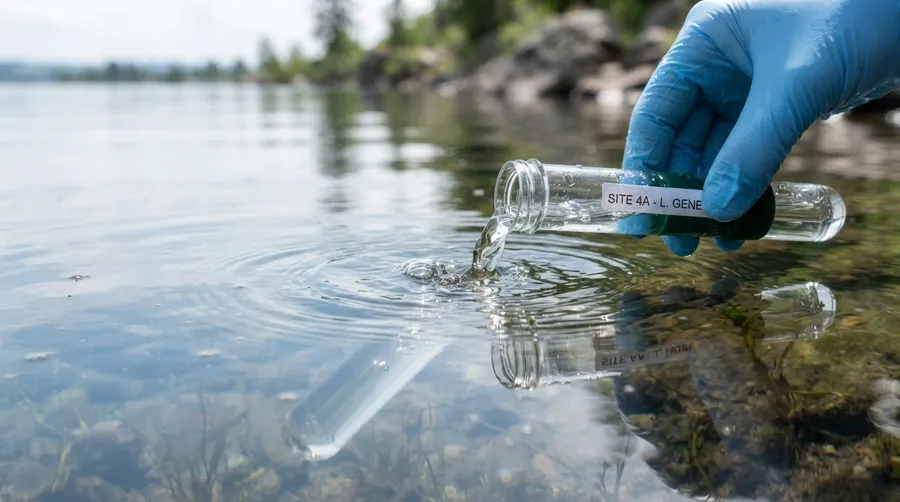
Collecting water samples for PFAS testing.
🇺🇸 Context: A Known Hazard Now Closer to Home
PFAS have been around for decades, widely known for their use in products like non-stick cookware and firefighting foams. Scientists have long been aware that these substances persist in the environment. They do not break down easily and can travel far from their original source. For years, understanding of their presence was abstract—something happening elsewhere, not here. But nobody paid much attention until regulations changed. Now everyone wants to know what is in their own backyard streams and lakes. The public suddenly cares when the invisible becomes visible.

🇪🇸 Antecedentes: Una Amenaza Conocida Ahora Más Cercana
Los PFAS existen desde hace décadas y son conocidos por su uso en productos como sartenes antiadherentes y espumas contra incendios. Los científicos saben desde hace tiempo que estas sustancias persisten en el medio ambiente, no se descomponen fácilmente y pueden viajar lejos del lugar original donde fueron utilizadas. Durante años, el entendimiento de su presencia fue algo abstracto—algo que ocurría en otro lugar. Pero nadie prestó mucha atención hasta que cambiaron las regulaciones y todos quieren saber qué hay en los ríos y lagos cercanos ahora que lo invisible se vuelve visible al público.

Map showing PFAS contamination hotspots.
🇺🇸 The Mechanism: How PFAS Spread Across Water Bodies
PFAS travel through waterways by hitching a ride on particles floating in the water or infiltrating soil near industrial sites and landfills. Once they enter a water body, they move with the current or settle into sediments. The chemical structure makes them resistant to natural degradation processes like microbial breakdown or UV light exposure. It is hard to remove them once they are in there because traditional water treatment methods do not target these substances effectively. In short, these chemicals are tricky little devils that weave themselves into ecosystems without much effort.

🇪🇸 El Mecanismo: Cómo Se Propagan los PFAS a Través de los Cuerpos de Agua
Los PFAS viajan por las vías fluviales al fijarse a partículas flotantes en el agua o infiltrar suelos cerca de sitios industriales y vertederos. Una vez que entran en un cuerpo de agua, se desplazan con la corriente o se asientan en sedimentos. Su estructura química los hace resistentes a procesos naturales de degradación como la descomposición microbiana o la exposición a luz ultravioleta. Es difícil eliminarlos una vez dentro porque los métodos tradicionales de tratamiento de agua no los abordan eficazmente. En resumen, son químicos escurridizos que se entrelazan en los ecosistemas con facilidad.

Lab analysis of PFAS levels in water samples.
🇺🇸 Impact on Local Communities
With new regulations restricting PFAS levels, towns around the Finger Lakes face tough choices about water safety measures. Some have to upgrade treatment facilities at considerable cost or find alternative sources of safe drinking water altogether if contamination levels exceed permissible limits. Local businesses that rely on clean water for operations also feel the strain and might need to invest in additional purification processes or technology to continue operating safely within regulations. Families worry about what their kids swim in during summer or the safety of fish caught locally now that awareness has grown.

🇪🇸 Impacto en las Comunidades Locales
Con las nuevas regulaciones que restringen los niveles de PFAS, los pueblos alrededor de los Finger Lakes enfrentan decisiones difíciles sobre medidas para garantizar la seguridad del agua potable. Algunos tienen que actualizar sus instalaciones de tratamiento con un coste considerable o encontrar fuentes alternativas si los niveles de contaminación superan los límites permitidos. Los negocios locales que dependen del agua limpia para sus operaciones también sienten la presión financiera y podrían necesitar invertir en procesos o tecnologías adicionales para cumplir con las regulaciones vigentes mientras operan con seguridad.

Steps in testing PFAS levels in water samples.
🇺🇸 Lingering Questions About PFAS
Nobody knows how long it takes for PFAS to degrade naturally once removed from water systems. Researchers still do not fully understand how these chemicals affect wildlife specifically around the Finger Lakes area over extended periods of time. What concentrations pose direct threats without regulatory intervention remains unclear as well.

🇪🇸 Preguntas Persistentes Sobre los PFAS
Nadie sabe cuánto tiempo tardan en degradarse naturalmente los PFAS una vez eliminados de sistemas acuáticos. Los investigadores aún no comprenden completamente cómo afectan estos químicos a la fauna local en áreas específicas como los Finger Lakes a lo largo del tiempo.

Aerial view of Ithaca and the Finger Lakes region.
🔗 Related Articles | Artículos Relacionados
Nuestro canal transmite datos curiosos de ciencia, IA, espacio y tecnología las 24 horas. | Our channel streams science facts, AI, space and technology around the clock.
▶ Ver transmisión | Watch liveOPEN YOUR MIND
Source: Source
Join the conversation