Innovative Heat Shield Design for Spacecraft Reentry
Innovative Heat Shield Design for Spacecraft Reentry
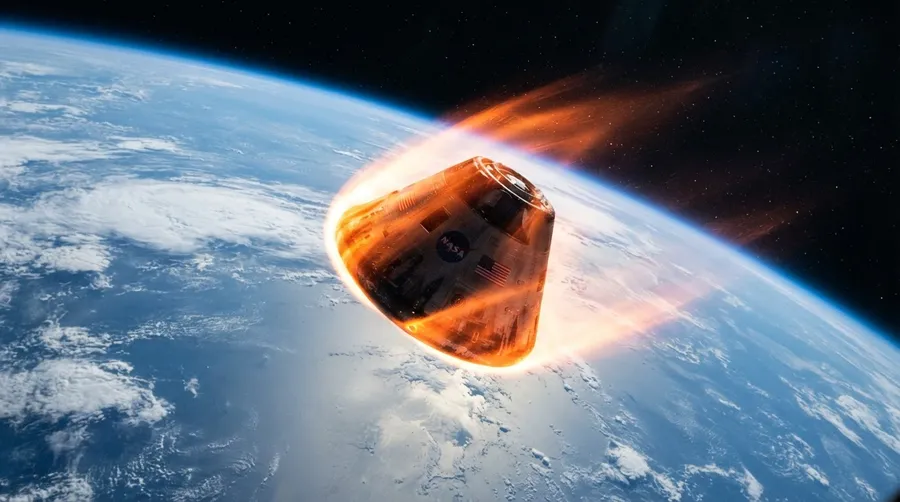
A spacecraft reenters Earth's atmosphere with a fiery heat shield.
🇺🇸 Discovery of a New Heat Shield Approach
Researchers have been grappling with the problem of heat shields on spacecraft for years. They always face the challenge of balancing protection and efficiency. Recently, a team found a new way to address this. It involves using magnetohydrodynamics or MHD for short. MHD braking turns the heat shield concept on its head. Instead of just burning up materials, it uses plasma to slow down the spacecraft during reentry. This reduces the amount of physical material that gets destroyed. The idea is not just about improving the efficiency of reentry but also making spacecraft more reusable. It changes how we think about spacecraft reentry altogether. Still, this is just one step forward in a long journey.
Como Afiliado de Amazon, obtengo ingresos por las compras adscritas que cumplen los requisitos aplicables.

🇪🇸 Descubrimiento de un Nuevo Enfoque para Escudos Térmicos
Los investigadores llevan años lidiando con el problema de los escudos térmicos en las naves espaciales. Siempre enfrentan el desafío de equilibrar protección y eficiencia. Recientemente se ha encontrado un nuevo enfoque que podría cambiar todo. La técnica se llama frenado magnetohidrodinámico o MHD. En lugar de quemar materiales, esta técnica utiliza el plasma para desacelerar la nave durante la reentrada. Esto reduce la cantidad de material físico que se destruye. No solo se trata de mejorar la eficiencia sino también de hacer las naves más reutilizables. Es un cambio completo en nuestra forma de pensar sobre la reentrada de las naves.
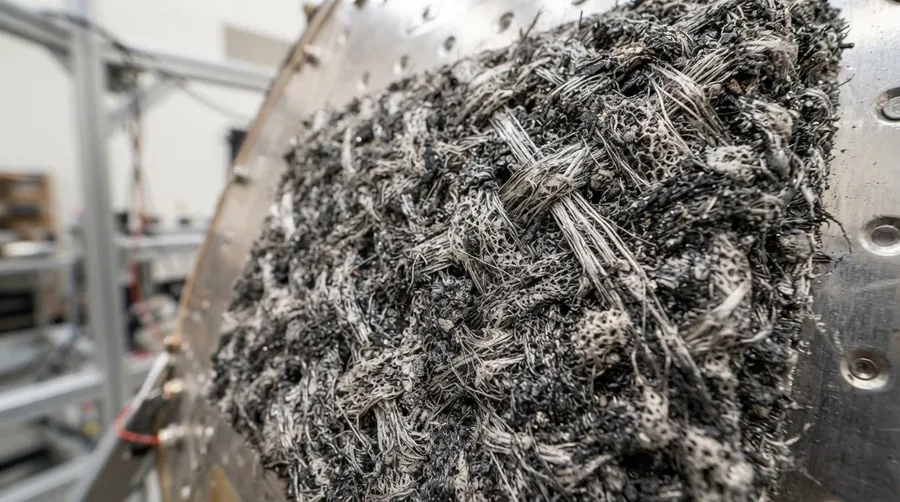
Close-up of the heat shield's surface texture and material.
🇺🇸 What We Already Knew About Heat Shields
For decades, heat shields have been designed to sacrifice themselves for the sake of the spacecraft. Ablative heat shields are meant to burn away upon reentry, dissipating heat and protecting the vessel behind them. Think about the space shuttles that used these kinds of shields and how they always had to be refurbished post-mission. The heat shield's primary purpose has always been to ensure the safety of astronauts and equipment during the nerve-wracking descent back to Earth. Engineers have forever sought ways to improve this technology, but it's tricky. The balance between weight and effectiveness has limited many innovations from becoming mainstream.

🇪🇸 Lo Que Ya Sabíamos Sobre los Escudos Térmicos
Durante décadas, los escudos térmicos han sido diseñados para sacrificarse por la nave espacial. Los escudos ablativos están hechos para quemarse al reingresar a la atmósfera, disipando el calor y protegiendo la nave detrás de ellos. Imagina los transbordadores espaciales que usaban estos escudos y cómo siempre tenían que ser renovados después de cada misión. Su propósito principal ha sido asegurar la seguridad de astronautas y equipos durante el regreso a la Tierra. Los ingenieros siempre han buscado mejorar esta tecnología, pero es complicado lograr avances significativos sin comprometer otras características vitales.
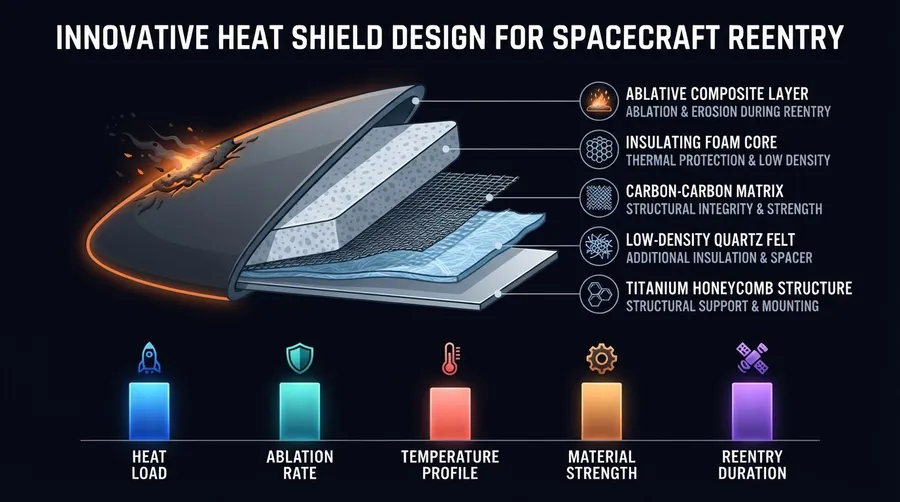
Diagram of the heat shield's layers and materials.
🇺🇸 The Mechanics of Magnetohydrodynamic Braking
Magnetohydrodynamic braking relies on creating magnetic fields around the spacecraft using plasma present in high-speed atmospheric reentry conditions. As the spacecraft descends, it ionizes gas particles around it, creating plasma that interacts with applied magnetic fields. This interaction generates drag in addition to slowing down the spacecraft without relying purely on physical materials burning away during descent. The clever part here is how those magnetic fields can be controlled and manipulated to adjust deceleration rates dynamically as needed in real-time by command from onboard systems.

🇪🇸 La Mecánica del Frenado Magnetohidrodinámico
El frenado magnetohidrodinámico funciona mediante la creación de campos magnéticos alrededor de la nave utilizando el plasma presente durante las condiciones de alta velocidad al reentrar en la atmósfera. A medida que la nave desciende, ioniza las partículas de gas circundantes creando plasma que interactúa con los campos magnéticos aplicados por el sistema a bordo en tiempo real para ajustar las tasas de desaceleración según sea necesario sin depender únicamente del desgaste físico del material más tradicional.

Engineers work on the heat shield in a clean room.
🇺🇸 Unanswered Questions About MHD Braking
How will MHD braking perform in different atmospheric conditions? What happens when spacecraft need emergency maneuvers using this system? The durability of MHD components remains unknown too.

🇪🇸 Preguntas Sin Responder Sobre el Frenado MHD
¿Cómo funcionará el frenado MHD en diferentes condiciones atmosféricas? ¿Qué sucede si la nave necesita maniobras de emergencia usando este sistema? La durabilidad real de los componentes MHD también es desconocida.
🔗 Related Articles | Artículos Relacionados
Nuestro canal transmite datos curiosos de ciencia, IA, espacio y tecnología las 24 horas. | Our channel streams science facts, AI, space and technology around the clock.
▶ Ver transmisión | Watch liveOPEN YOUR MIND
Source: Source
Join the conversation