How Alligators Thrived Post-Dinosaur Extinction
How Alligators Thrived Post-Dinosaur Extinction
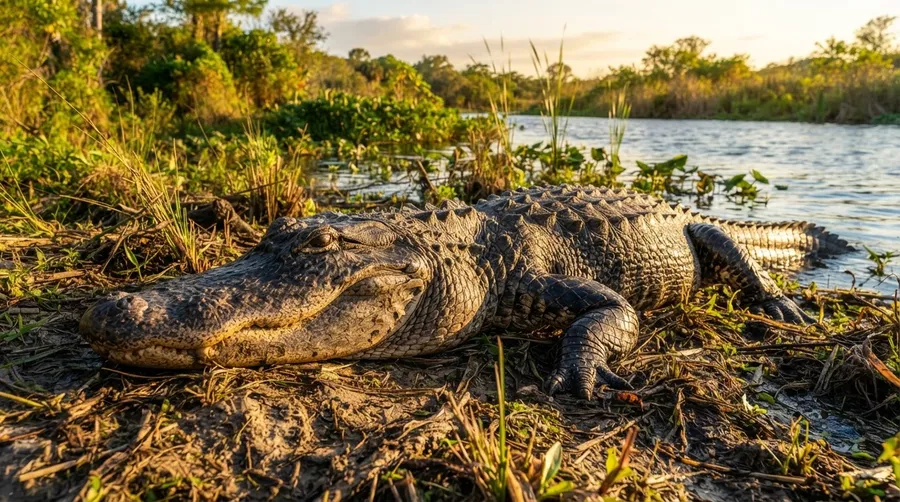
An alligator basks in the sun, showcasing its prehistoric features.
🇺🇸 Where the Alligators Roamed After the Dinosaurs
Millions of years ago, an asteroid caused the extinction of most dinosaur species. You'd think that such a catastrophic event would wipe out all large reptiles. Guess what? Alligators did just fine. Fossil records show that within a few hundred thousand years after the dinosaurs vanished, large alligators were thriving in North America. Imagine that. These beasts roamed the land, hunting and surviving while many other creatures struggled to adapt. Some of these alligators were much larger than what we see today. How did they manage to thrive? The more I read, the more questions I had about this unexpected resilience.
Como Afiliado de Amazon, obtengo ingresos por las compras adscritas que cumplen los requisitos aplicables.

🇪🇸 Donde los alig tores prosperaron después de los dinosaurios
Hace millones de años, un asteroide causó la extinción de la mayoría de las especies de dinosaurios. Podrías pensar que un evento tan catastrófico acabaría con todos los grandes reptiles. Pero no fue así. Los registros fósiles muestran que, apenas unos cientos de miles de años después de la desaparición de los dinosaurios, grandes alig tores prosperaban en América del Norte. Curioso, ¿verdad? Estas bestias recorrían la tierra cazando y sobreviviendo mientras muchas otras criaturas luchaban por adaptarse. Algunos de estos alig tores eran mucho más grandes que los que vemos hoy. ¿Cómo lograron prosperar? Cuanto más leía, más preguntas surgían sobre esta resiliencia inesperada.
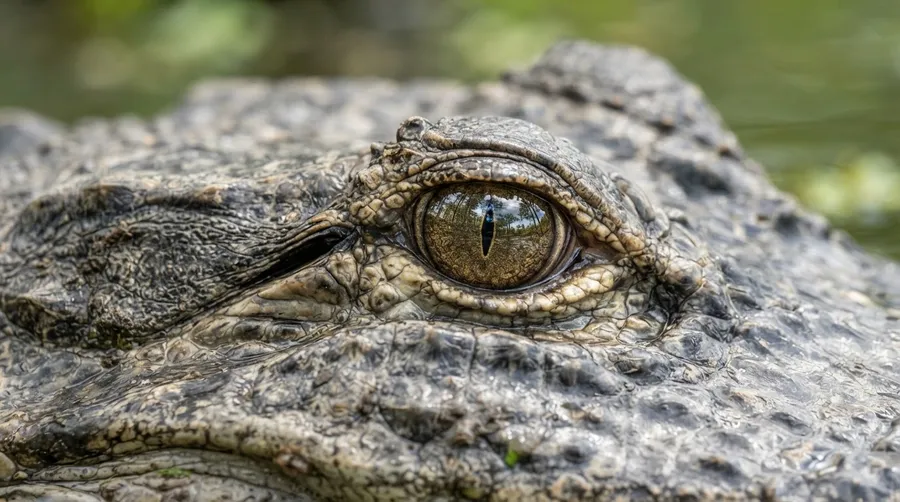
A close-up of an alligator's eye reveals intricate details.
🇺🇸 What We Knew Beforehand
Before diving into recent findings, it's good to remember what was already known. Alligators are part of a larger family called Crocodylia, which also includes crocodiles and gharials. They originate from an ancient lineage dating back over 80 million years. Their ancestors witnessed and survived many climatic shifts and ecological upheavals. Scientists have long known that alligators are incredibly resilient creatures. They can endure harsh climates and lack of food for extended periods. This adaptability is a key reason they survived the mass extinction event that did in the dinosaurs. But until recently, the specifics were murky at best.

🇪🇸 Lo que sabíamos antes
Antes de sumergirnos en hallazgos recientes, conviene recordar lo que ya sabíamos. Los alig tores son parte de una familia más grande llamada Crocodylia, que también incluye cocodrilos y gaviales. Provienen de un linaje antiguo que se remonta a más de 80 millones de años. Sus ancestros presenciaron y sobrevivieron muchos cambios climáticos y alteraciones ecológicas. Los científicos siempre han sabido que los alig tores son criaturas increíblemente resistentes. Pueden soportar climas adversos y falta de alimentos durante períodos prolongados. Esta capacidad de adaptación es una razón clave por la que sobrevivieron al evento de extinción masiva que acabó con los dinosaurios.
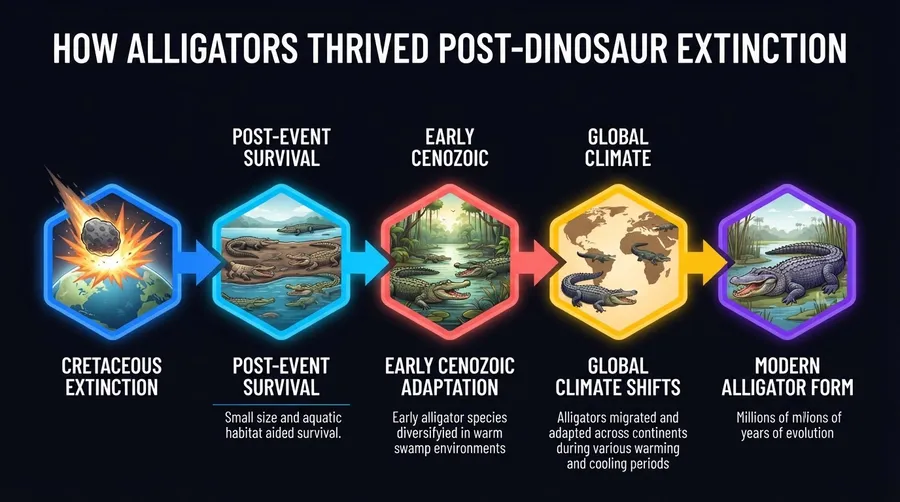
Timeline of alligator evolution after dinosaur extinction.
🇺🇸 How Alligators Pull It Off
So how did these massive reptiles survive when others didn't? Alligators have unique biological features that give them an edge in tough environments. One key aspect is their ability to regulate metabolism according to food availability, allowing them to survive extended periods without eating much. They also have efficient respiratory systems that enable them to remain submerged for longer times than most other reptiles can manage. These traits allowed them to endure not just climatic changes but also fluctuations in food supply and temperature extremes post-extinction event. It's fascinating yet complex stuff that keeps researchers reevaluating their survival story.

🇪🇸 Cómo lo logran los alig tores
Entonces, ¿cómo sobrevivieron estos enormes reptiles cuando otros no pudieron? Los alig tores tienen características biológicas únicas que les dan ventaja en ambientes difíciles. Un aspecto clave es su capacidad para regular el metabolismo según la disponibilidad de alimento, lo que les permite sobrevivir largos períodos sin comer mucho. También cuentan con sistemas respiratorios eficientes que les permiten permanecer sumergidos por más tiempo del que la mayoría de los otros reptiles pueden manejar. Estos rasgos les permitieron soportar no solo cambios climáticos sino también fluctuaciones en el suministro de alimentos y temperaturas extremas después del evento de extinción.
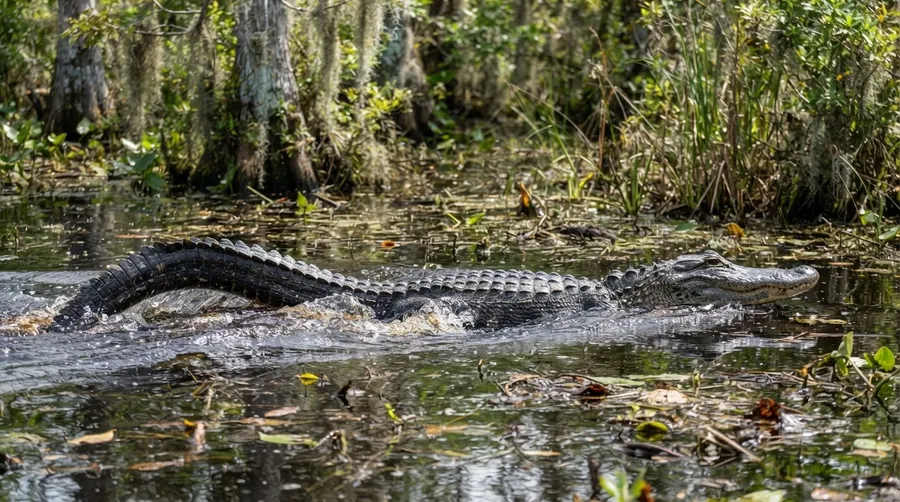
An alligator swims powerfully through its swampy habitat.
🇺🇸 What This Means for Us Today
What does all this mean in today's world? Well, understanding how alligators thrived while others perished can offer clues about resilience in changing ecosystems. Scientists can look at these ancient survival strategies as models for modern conservation efforts aimed at endangered species facing climate change or habitat loss today. Sometimes nature holds answers we might need now or in the future to deal with human-caused disruptions like pollution and deforestation. If alligators offer any lessons, it may be about adaptability and endurance rather than size or strength alone.

🇪🇸 Lo que significa esto para nosotros hoy
¿Qué significa todo esto en el mundo actual? Pues entender cómo prosperaron los alig tores mientras otros perecían nos puede dar pistas sobre la resiliencia en ecosistemas cambiantes.Hoy día se puede estudiar estas estrategias antiguas como modelos para esfuerzos modernos en conservación destinados a especies amenazadas por cambio climático o pérdida de hábitat.A veces la naturaleza guarda respuestas que podríamos necesitar ahora o en el futuro para enfrentar alteraciones causadas por humanos como contaminación y deforestación.Si los alig tores ofrecen alguna lección quizás sea sobre adaptabilidad y resistencia más bien que tamaño o fuerza solamente.
🇺🇸 The Unanswered Questions
We still don't know exactly how many alligator species existed back then or what their population numbers were like immediately after the extinction event.Their exact diet during this period remains uncertain.Nobody knows how rising sea levels might have affected their habitats long-term.These gaps leave room for exciting future research.

🇪🇸 Las preguntas sin respuesta
Todavía no sabemos cuántas especies de alig tores existían entonces ni cuáles eran sus números poblacionales justo después del evento de extinción.Su dieta exacta durante ese periodo sigue siendo incierta.No hay certeza sobre cómo el aumento del nivel del mar pudo haber afectado sus hábitats a largo plazo.Hay mucho espacio para futuras investigaciones emocionantes.
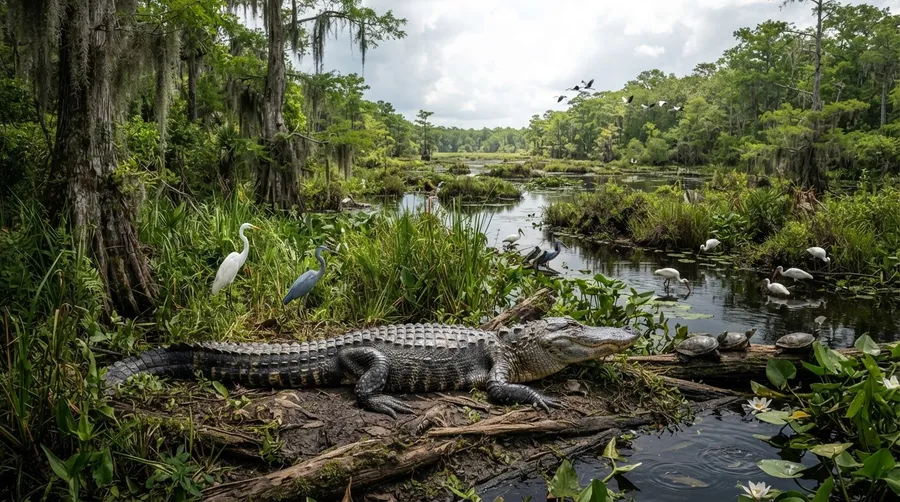
An alligator in a lush, prehistoric-like wetland environment.
🔗 Related Articles | Artículos Relacionados
Nuestro canal transmite datos curiosos de ciencia, IA, espacio y tecnología las 24 horas. | Our channel streams science facts, AI, space and technology around the clock.
▶ Ver transmisión | Watch liveOPEN YOUR MIND
Source: Source
Join the conversation