Can Your Bird Feeder Worsen the Flu Outbreak?
Can Your Bird Feeder Worsen the Flu Outbreak?
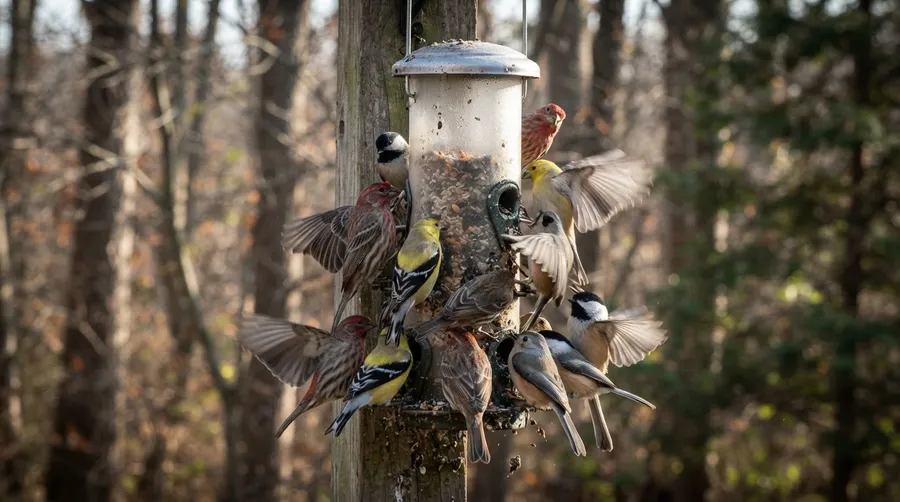
A bird feeder may contribute to flu outbreaks.
🇺🇸 Bird Feeder as Bird Flu Hotspot
Recent reports indicate backyard bird feeders might be playing an unexpected role in spreading bird flu. Unusual, right? These feeders gather various bird species that don't always mingle naturally. This mixing can help the avian influenza virus spread more easily. In Australia, where the H5N1 outbreak has been ramping up, experts are concerned these feeders could become the epicenter of viral transmission. It's like a little party with unwanted guests. So, should you stop using bird feeders altogether? Some say yes, as stopping feeding is safest. Others suggest smaller amounts of food and better hygiene practices. It seems a small thing but has bigger implications than one might think.
🇪🇸 Los comederos como punto caliente de gripe aviar
Los últimos informes sugieren que los comederos para aves en jardines podrían estar extendiendo la gripe aviar de manera inesperada. Estos comederos reúnen especies de aves que no siempre se encuentran de manera natural, lo que facilita la propagación del virus. En Australia, donde el brote de H5N1 está aumentando, los expertos temen que estos comederos se conviertan en focos de transmisión del virus. ¿La solución? Algunos insisten en dejar de alimentar a las aves completamente, mientras que otros recomiendan moderar la cantidad de alimento y mantener buena higiene. Este pequeño detalle tiene implicaciones mayores.
Como Afiliado de Amazon, obtengo ingresos por las compras adscritas que cumplen los requisitos aplicables.

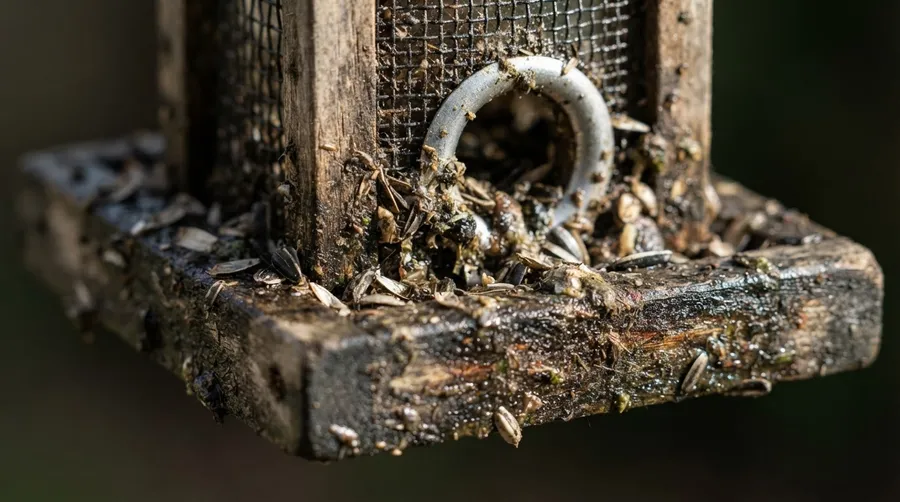
Detailed view of a bird feeder's surface.
🇺🇸 Bird Feeder Basics Before the Outbreak
Before this whole situation came to light, bird feeders were simply seen as a way to support local wildlife. People liked attracting birds for watching or simply enjoyed seeing them around their homes. Feeders offered extra nourishment during colder months or times when natural food sources were scarce. It was all about connecting with nature from the comfort of your backyard. No one was really thinking about viruses hopping from bird to bird at these feeders. But with an outbreak on the rise, it's like all eyes are on these once-innocent fixtures of suburban life.
🇪🇸 Uso anterior de los comederos para aves
Antes de esta situación, los comederos para aves eran vistos simplemente como una forma de apoyar a la fauna local. La gente disfrutaba ver a las aves cerca de sus casas o simplemente les gustaba su presencia. Proveían alimento adicional durante meses fríos o cuando escaseaban las fuentes naturales. Nadie pensaba en virus saltando de un ave a otra mientras se alimentaban. Ahora, con el brote creciendo, toda la atención se centra en estos objetos que antes parecían inofensivos.

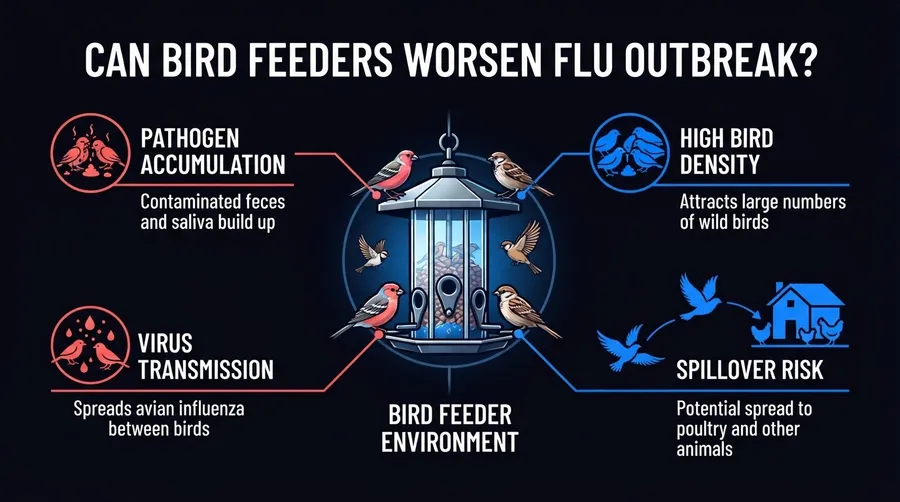
Key components in flu transmission from feeders.
🇺🇸 How Bird Feeders Spread Viruses
So how do these bird feeders actually help spread the virus? It's simple yet complicated at the same time. Birds gather around these feeders because they offer easy food access. As they feed, they often come into close contact with other birds they wouldn't normally meet in their natural habitat. This can lead to sharing not just seeds but saliva and droppings too. Viruses like H5N1 can travel in those biological materials from one bird to another. The more crowded the feeder, the higher the risk of transmission becomes.
🇪🇸 Mecanismo de propagación en los comederos
¿Cómo es que los comederos ayudan a propagar el virus? La mecánica es sencilla pero intrincada a la vez. Las aves acuden a estos sitios por el fácil acceso al alimento y entran en contacto cercano con especies que no encontrarían en su hábitat natural. Esto resulta en un intercambio no solo de semillas sino también de saliva y excrementos, que pueden contener el virus H5N1 y moverse entre aves. Mientras más concurrido el comedero, mayor es el riesgo de transmisión.

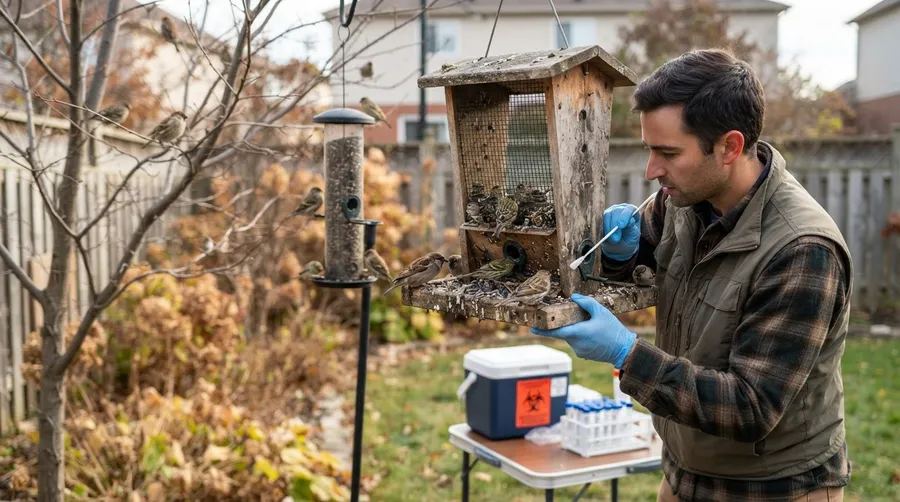
Birds at a feeder can spread the flu virus.
🇺🇸 Potential Changes for Bird Enthusiasts
For those who love birdwatching in their backyard, this situation might call for some changes in routine. Some experts are recommending a complete halt on using bird feeders until more is known about how they affect viral spread during outbreaks like this one. Others are offering middle-ground solutions like putting out less food or ensuring feeders are regularly sanitized to reduce risks without giving up birdwatching altogether. The challenge is balancing enjoyment with responsibility toward both birds and human health.

🇪🇸 Cambios para los aficionados a las aves
Para quienes disfrutan observando aves en su jardín, esta situación podría requerir ajustes en sus hábitos cotidianos. Algunos expertos sugieren detener por completo el uso de comederos hasta entender mejor cómo afectan la propagación del virus durante brotes como este. Otros proponen soluciones intermedias como reducir la cantidad de alimento o asegurar limpieza frecuente del comedero para minimizar riesgos sin dejar el pasatiempo por completo. El reto es encontrar un equilibrio entre el disfrute y la responsabilidad por la salud aviar y humana.
🔗 Related Articles | Artículos Relacionados
Nuestro canal transmite datos curiosos de ciencia, IA, espacio y tecnología las 24 horas. | Our channel streams science facts, AI, space and technology around the clock.
▶ Ver transmisión | Watch liveOPEN YOUR MIND
Source: Source
Join the conversation