Using Lasers to Unlock Uranium for Nuclear Power
Using Lasers to Unlock Uranium for Nuclear Power

Laser technology at Paducah facility interacting with uranium storage
🇺🇸 A Cache of Uranium in Paducah
Outside Paducah, Kentucky, sits a landscape dotted with large metal cylinders. These cylinders hold uranium hexafluoride, leftover from when a nuclear enrichment facility was active here. The plant shut down years ago, but it left behind a treasure trove of what some see as future fuel. This uranium is just sitting there, locked away. But it might not stay that way much longer. Global Laser Enrichment is developing a technology to unlock this potential energy source. By using lasers, they aim to extract usable uranium from this waste. It is a bit like finding gold in a pile of dirt.🇪🇸 Un Tesoro de Uranio en Paducah
Cerca de Paducah, Kentucky, se encuentran cilindros metálicos gigantes que contienen hexafluoruro de uranio. Esto es lo que quedó tras la clausura de una planta de enriquecimiento nuclear en la zona. Aunque la planta cerró hace años, el material sigue ahí como un posible combustible para el futuro. Global Laser Enrichment quiere aprovechar esta oportunidad y está desarrollando una tecnología basada en láseres para extraer el uranio utilizable del desecho. Algo así como hallar oro entre la arena.Como Afiliado de Amazon, obtengo ingresos por las compras adscritas que cumplen los requisitos aplicables.
Libro: How to Drive a Nuclear Reactor
Una lectura accesible y fascinante para entender el funcionamiento práctico de la energía nuclear y los reactores.
Ver en Amazon

Precision components of the GLE laser apparatus
🇺🇸 Historical Context of Nuclear Waste
Nuclear enrichment has been around for decades and involves separating isotopes to make fuel for reactors. In the past, methods like gaseous diffusion were common. The problem? They produced a ton of waste material that was mostly ignored once facilities closed down. That waste contains uranium just waiting to be freed up if only someone figured out how to do it efficiently. For years, these cylinders have been seen as problematic storage units rather than as potential resources. There's been interest but no real solution until now.🇪🇸 El Contexto Histórico del Residuo Nuclear
La separación de isótopos para crear combustible nuclear ya lleva mucho tiempo usándose. Métodos antiguos como la difusión gaseosa solían ser populares pero generaban enormes cantidades de residuos que fueron ignorados cuando las instalaciones cerraron. Todo ese desperdicio tiene uranio esperando ser recuperado si alguien logra hacerlo de manera eficiente. Estos cilindros fueron vistos más como problemas de almacenamiento que como recursos potenciales durante años. Aunque había interés, no existía una solución real hasta ahora.
Detector de Radiación Nuclear Geiger GQ GMC-300E Plus
Un dispositivo accesible para medir la radiación beta, gamma y rayos X, ideal para aficionados a la física nuclear.
Ver en Amazon

Steps in GLE's laser reprocessing technology
🇺🇸 How Lasers Unlock Uranium
So how do you use lasers to get uranium out? It's all about selectively exciting atoms within the uranium hexafluoride gas using specific wavelengths of light. You focus on the isotope you want and leave the rest behind. This process enriches the uranium far more precisely than older methods ever could manage. It requires precision engineering and fine-tuning to ensure you are hitting just the right frequencies with your laser beams. The key is tweaking those laser settings so they match exactly what the uranium's isotopes need for separation.🇪🇸 El Proceso de Extracción con Láseres
¿Y cómo se hace esto con láseres? Mediante luz láser con longitudes de onda específicas logras excitar selectivamente los átomos dentro del gas hexafluoruro de uranio centrándote solo en el isótopo deseado y dejando los otros atrás. Así se consigue enriquecer el uranio con mucha más precisión que los métodos del pasado lograban ofrecer nunca antes. Se requiere ingeniería precisa y ajuste fino para asegurar que se utilizan frecuencias exactas al proyectar los rayos láser.
Engineers using laser technology for uranium reprocessing
🇺🇸 What Changes for Communities
If this works, Paducah could see new jobs created around managing and processing these materials safely and efficiently. Imagine turning what was once considered waste into something valuable for energy production. Local economies might benefit from renewed activity around these old sites even though concerns about safety will always linger in communities where nuclear materials are involved. More countries could become energy independent if they can access this kind of technology too which shifts some geopolitical dynamics by reducing reliance on traditional energy exports.🇪🇸 Las Consecuencias para las Comunidades
Si esto resulta exitoso, Paducah podría ver la creación de nuevos empleos relacionados con el manejo y procesamiento seguro y eficiente de estos materiales antes considerados desechos pero ahora valiosos para generar energía renovada su economía local también podría beneficiarse aunque siempre habrá preocupaciones sobre la seguridad en comunidades donde hay materiales nucleares involucrados más países podrían volverse independientes energéticamente si tienen acceso a esta tecnología lo cual cambia algunas dinámicas geopolíticas reduciendo la dependencia de exportaciones energéticas tradicionales.
Libro de Texto: Laser Spectroscopy de Wolfgang Demtröder
La referencia académica definitiva para comprender cómo los láseres interactúan con los átomos a nivel espectroscópico.
Ver en Amazon

Detailed diagram of the laser apparatus components
🇺🇸 What Remains Uncertain
Yet many questions remain unanswered about the long-term feasibility of using laser technology at such a scale for enriching uranium from old waste stockpiles like those in Paducah. Can it be done affordably enough that energy companies will actually invest in it? Will regulatory hurdles slow progress or even halt it entirely? Some experts are skeptical about whether laser enrichment can deliver on its promises without unforeseen risks or complications emerging once full-scale operations begin.🇪🇸 Lo Que Aún Desconocemos
Quedan muchas incógnitas sobre si usar tecnología láser para enriquecer uranio será viable a largo plazo en depósitos antiguos como los de Paducah ¿Será económicamente factible para que las empresas energéticas inviertan realmente en ello? ¿Los obstáculos regulatorios retrasarán o incluso detendrán su progreso por completo? Algunos expertos dudan si realmente podrá cumplir sus promesas sin riesgos imprevistos o complicaciones al comenzar las operaciones a gran escala.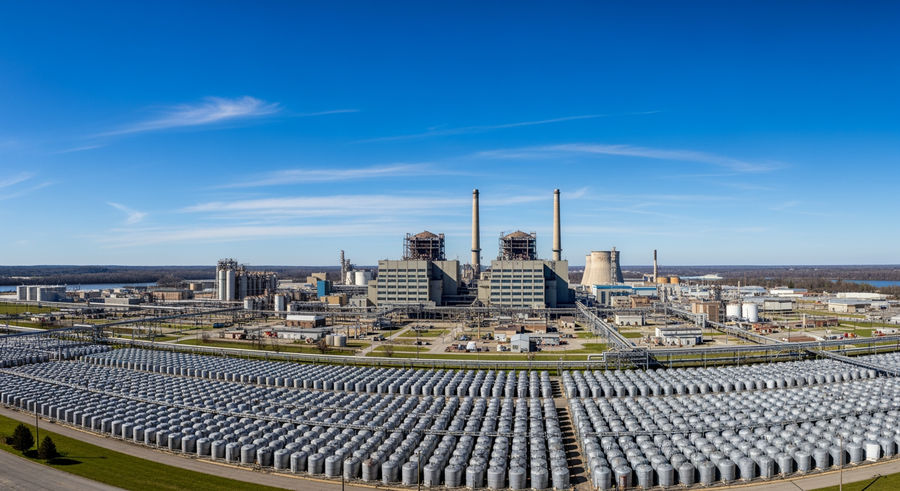
The vast scale of the Paducah facility in Kentucky
🔗 Related Articles | Artículos Relacionados
Ciencia en vivo 24/7 | Science Live 24/7
Nuestro canal transmite datos curiosos de ciencia, IA, espacio y tecnología las 24 horas. | Our channel streams science facts, AI, space and technology around the clock.
▶ Ver transmisión | Watch liveOPEN YOUR MIND
Source: Source
Support Open Your Mind
If this article helped you, consider buying me a coffee.
Buy me a coffee
Join the conversation