Testing the Reliability of AI Writing Detectors
Testing the Reliability of AI Writing Detectors
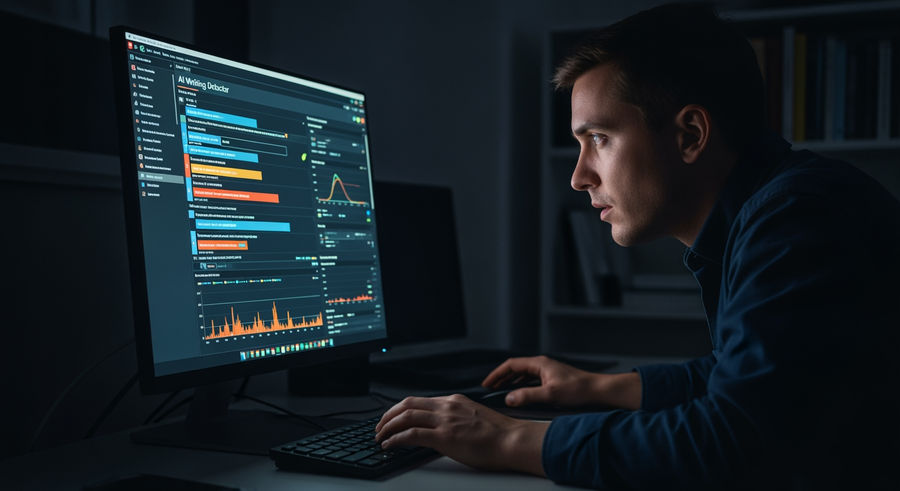
A researcher analyzes results on an AI writing detector interface.
🇺🇸 What We Discovered
Testing these AI writing detectors was an eye-opener. It turns out they are not as reliable as advertised. We used five widely known tools, putting them through their paces with various text samples. Human writers tried to mimic AI style, while AI generated human-like prose. Spoiler: The detectors often got it wrong. Some misclassified human text as AI and vice versa. One tool even labeled its own report as computer-generated, which is strange if you think about it. It's a bit of a mess in terms of accuracy rate.🇪🇸 Lo que Descubrimos
Probar estos detectores de escritura por IA nos abrió los ojos en serio. Aunque prometen exactitud, se equivocan mucho más de lo que quisiéramos creer. Usamos cinco herramientas conocidas para evaluar diferentes textos y los resultados fueron sorprendentes. Los escritores humanos intentaron imitar el estilo de la IA mientras la IA producía prosa similar a la humana. Y sí, los detectores confundieron muchas veces textos humanos con escritos por inteligencia artificial y al revés también pasó bastante.
Close-up view of the complex code behind AI writing detection.
Como Afiliado de Amazon, obtengo ingresos por las compras adscritas que cumplen los requisitos aplicables.

Natural Language Processing with Transformers (O'Reilly)
El recurso definitivo para entender cómo los modelos de lenguaje generan texto y por qué es tan difícil para los algoritmos detectarlos.
Ver en Amazon
🇺🇸 Background Noise
The idea of detecting AI-generated content is not new at all. For years, people have been trying to distinguish machine texts from human writing because the stakes are high in settings like academia or journalism where authenticity matters a lot. Early attempts relied on simple markers like repetitive phrasing or robotic tone but those days are gone now with advanced language models around us that sound shockingly real and nuanced making old methods obsolete.🇪🇸 Un Poco de Historia
No es algo nuevo intentar detectar contenido generado por inteligencia artificial desde hace años esta ha sido una preocupación constante debido al impacto en áreas como el periodismo o la academia donde importa mucho saber quién realmente escribió qué cosa primero eran marcadores simples como frases repetitivas pero ahora las cosas son muy distintas porque las máquinas ya no suenan tan robóticas.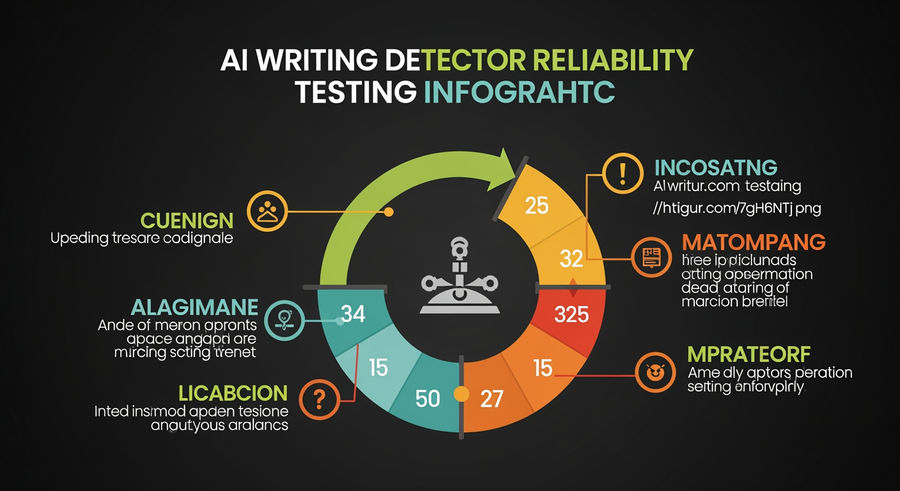
Comparison of performance metrics of AI writing detectors.

Rocketbook Core Cuaderno Inteligente Reutilizable
Permite a los redactores digitalizar notas manuscritas directamente, asegurando un proceso de creación indiscutiblemente humano.
Ver en Amazon
🇺🇸 How Do They Work?
AI detectors typically rely on algorithms trained to spot patterns in text that suggest machine authorship but how exactly do they operate Many use neural networks that analyze syntax word choice and sentence variety among other factors By comparing these features against known datasets flagged for human or AI origins the detector guesses who wrote what But here is the kicker Unlike spell checkers which work off clear rules these systems guess based on probability And they sometimes guess very badly Trust wobbles when accuracy drops below expectation levels🇪🇸 Cómo Funcionan
Los detectores utilizan algoritmos principalmente entrenados para identificar patrones característicos de textos escritos por máquinas aunque su funcionamiento puede variar muchos emplean redes neuronales para analizar sintaxis elección de palabras y variedad en las oraciones comparando esas características con bases de datos clasificadas según origen humano o artificial Pero aquí viene lo complicado A diferencia del corrector ortográfico que sigue reglas claras estos sistemas se basan en probabilidades Y aveces fallan estrepitosamente La confianza tiembla cuando la precisión decepciona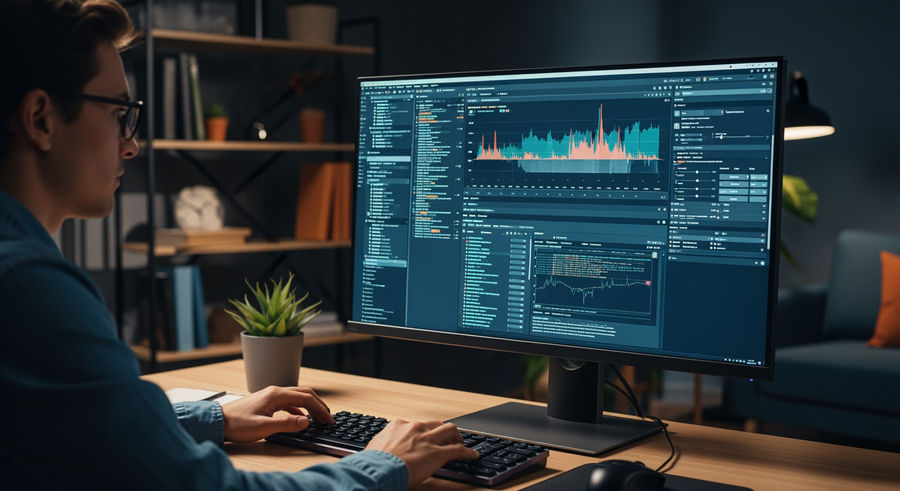
A researcher engages with AI writing detection software.
🇺🇸 Consequences for People
So what does this mean for everyday folks When students use chatbots to write essays teachers might tag genuine efforts as fake Employers could wrongly suspect employees of using computers to draft emails Policies built on shaky detection tech could unfairly penalize innocent users On the brighter side awareness might rise about digital literacy pushing schools and workplaces toward more nuanced understandings However most people just want reliable judgments without needing to dig into how things tick It's frustratingly relevant🇺🇸 Consecuencias Reales
¿Y esto qué implica para las personas comunes y corrientes Cuando estudiantes usan bots para redactar ensayos quizá sus maestros etiqueten esfuerzos auténticos como falsos Empleadores podrían sospechar equivocadamente que un trabajador usa computadoras para redactar correos Las políticas basadas en tecnología dudosa podría castigar injustamente Aun así tomar conciencia sobre alfabetización digital podría empujar hacia comprensiones matizadas Aunque claro todos queremos decisiones confiables sin tener que entender cada paso técnico Es relevante e irritante
Process flow of how AI writing detectors analyze text.

NVIDIA Jetson Nano Developer Kit
Ideal para ingenieros que desean experimentar con redes neuronales y algoritmos de clasificación de datos en un entorno físico.
Ver en Amazon
🇺🇸 Unanswered Questions Remain
At the end of our tests we faced more questions than answers Why did some tools perform well while others tanked Did dataset biases skew outcomes How will technology adapt going forward Indeed none can say for sure if perfect detection ever becomes real Or if true alignment between machines and human understanding will happen soon These unknowns fuel ongoing debates Perhaps the debate itself points toward half a resolution Being conscious of imperfection keeping both eyes open ready for shifts may be key That's my hunch anyway🇪🇸 Preguntas Sin Responder
Al finalizar nuestras pruebas quedamos con más preguntas ¿Por qué algunas herramientas funcionaron bien mientras otras fallaron tanto Acaso sesgos en bases de datos afectaron resultados ¿Cómo evolucionará esta tecnología Honestamente nadie sabe si alcanzar detección perfecta será una realidad O si pronto habrá verdadero alineamiento entre máquinas y entendimiento humano Estas incógnitas mantienen vivo el debate Tal vez el debate mismo ofrezca pistas Estar conscientes aceptar imperfecciones puede ser clave Esa es mi intuición al menos
Researchers collaborate in testing AI writing detectors.
🔗 Related Articles | Artículos Relacionados
Ciencia en vivo 24/7 | Science Live 24/7
Nuestro canal transmite datos curiosos de ciencia, IA, espacio y tecnología las 24 horas. | Our channel streams science facts, AI, space and technology around the clock.
▶ Ver transmisión | Watch liveOPEN YOUR MIND
Source: Source
Support Open Your Mind
If this article helped you, consider buying me a coffee.
Buy me a coffee
Join the conversation