Rocky Exoplanet Discovered with Helium Atmosphere
Rocky Exoplanet Discovered with Helium Atmosphere

The rocky exoplanet's helium atmosphere glows softly in space.
🇺🇸 A Rocky Exoplanet with a Helium Atmosphere
Astronomers have found something pretty wild across the cosmos. A rocky exoplanet, larger than Earth but not as big as Neptune, was spotted about 200 light-years away. The astonishing part Its atmosphere is rich in helium. Yeah, helium — like the stuff in party balloons. It's not often you'd expect to find that floating around a planet's atmosphere. Scientists used telescopes that can detect chemicals by analyzing light from stars passing through a planet's atmosphere. This detection of helium is significant because it's much lighter than other gases and could give insights into atmospheric loss over time.🇪🇸 Un exoplaneta rocoso con atmósfera de helio
Los astrónomos han encontrado algo bastante increíble en el cosmos. Han detectado un exoplaneta rocoso, más grande que la Tierra pero no tanto como Neptuno, ubicado a unos 200 años luz de distancia. ¿Lo asombroso? Su atmósfera está llena de helio. Sí, helio como el que se usa en los globos de fiesta. No es común encontrar eso flotando alrededor de un planeta. Los científicos utilizaron telescopios capaces de detectar compuestos al analizar la luz que pasa por la atmósfera del planeta desde una estrella cercana. Este hallazgo es importante porque el helio es más ligero que otros gases y puede ofrecer pistas sobre la pérdida atmosférica con el tiempo.
Helium particles shimmer as light interacts with the atmosphere.
Como Afiliado de Amazon, obtengo ingresos por las compras adscritas que cumplen los requisitos aplicables.

Espectroscopio de mano Eisco Labs
Permite experimentar de forma práctica cómo se analiza la luz para identificar elementos químicos como el helio.
Ver en Amazon
🇺🇸 What We Already Knew About Exoplanets
Before this find, astronomers knew that rocky planets existed outside our solar system, but they lacked detailed knowledge about their atmospheres. Gas giants like Jupiter and Saturn were easier to study due to their size and large gaseous envelopes. Rocky planets are trickier since their atmospheres are thin or sometimes nonexistent entirely. Previous research showed that smaller rocky planets tend to lose their atmospheres quicker than gas giants do due to solar radiation stripping them away over millions of years.🇪🇸 Lo que ya sabíamos sobre los exoplanetas
Antes de este descubrimiento, los astrónomos sabían sobre la existencia de planetas rocosos fuera del sistema solar pero no tenían detalles sobre sus atmósferas. Estudiar gigantes gaseosos como Júpiter y Saturno era más sencillo debido a su tamaño y envolturas enormes llenas de gas. Pero los planetas rocosos son más complicados al tener atmósferas finas o incluso ausentes por completo. Estudios previos revelaron que estos pequeños planetas pierden sus atmósferas más rápido bajo radiación solar durante millones de años.
Diagram shows the exoplanet's atmospheric layers with helium.
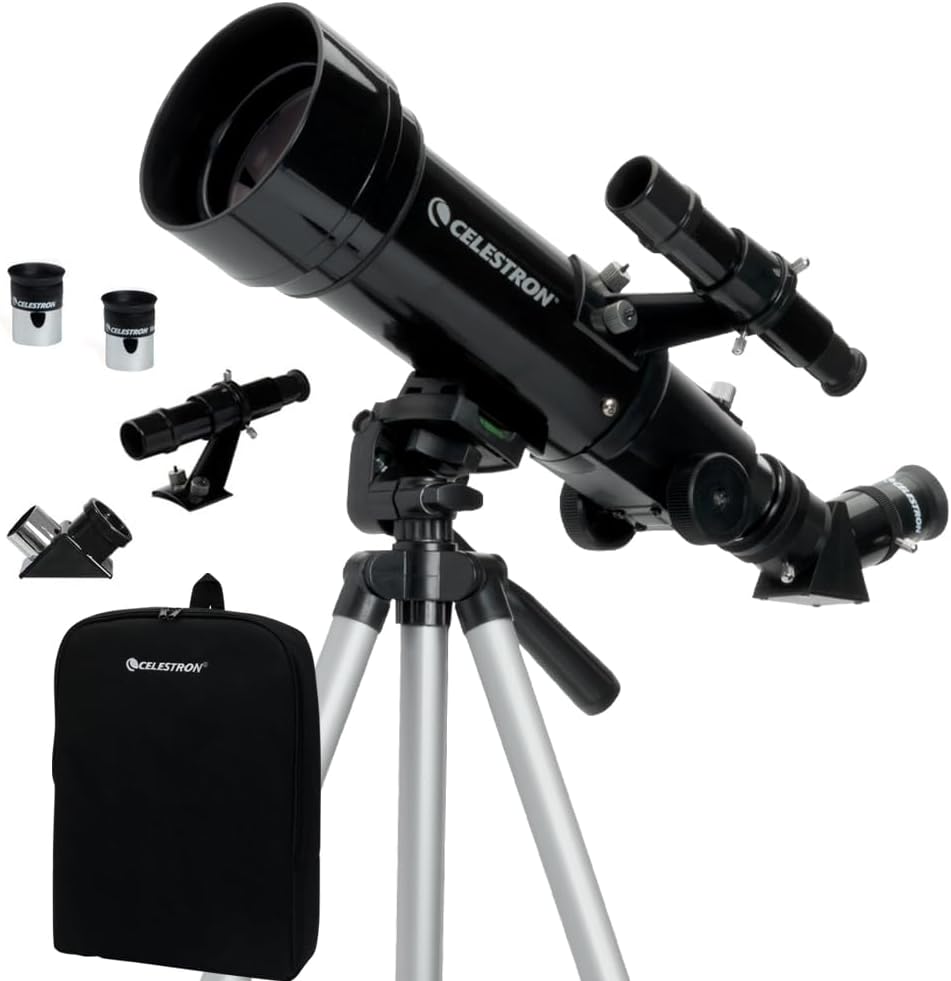
Telescopio Celestron Travel Scope 70
Un telescopio portátil y asequible ideal para iniciarse en la observación de cuerpos celestes.
Ver en Amazon
🇺🇸 Mechanics of the Helium Detection
The way scientists detected helium is through a method called transmission spectroscopy which examines starlight filtering through an exoplanet's atmosphere during transit in front of its star from our point of view on Earth; there are absorption lines formed when light passes through different elements in an atmosphere each having unique fingerprints at certain wavelengths so when researchers saw signs aligning with helium they realized what they'd found as it requires specific conditions for retaining such elements since they're very lightweight usually escaping into space if planetary gravity isn't strong enough holding them down longer keeping them visible longer giving us a deeper understanding although how exactly this particular environment maintains its helium presence remains unclear leaving room for more theories exploration questing answers🇪🇸 Mecánica detrás de la detección del helio
La forma en que los científicos detectaron helio fue mediante espectroscopía de transmisión examinando la luz estelar filtrada por la atmósfera del exoplaneta mientras pasaba frente a su estrella desde nuestra perspectiva terrestre; se forman líneas donde diversos elementos absorben luz cada uno con huellas únicas en ciertas longitudes onda así cuando vieron signos coincidiendo con el helio sabían lo que encontraron pues retener tales elementos requiere condiciones precisas al ser muy livianos normalmente escapando al espacio si gravedad planetaria no es suficiente para mantenerlos visibles mayor tiempo ofreciendo comprensión profunda aunque cómo este entorno específico logra mantener el helio presente sigue siendo incierto dejando espacio teorías exploración búsqueda respuestas
Astronomers capture the exoplanet discovery using a telescope.

Fragmento de Meteorito Campo del Cielo
Un auténtico fragmento de roca espacial para coleccionistas y apasionados de la geología planetaria.
Ver en Amazon
🇺🇸 Real-world Changes from This Discovery
This discovery won't make your commute faster or change how you eat breakfast but it might reshape how we think about life beyond Earth someday ago most thought only giant gas worlds existed out there finding one with such an unusual atmosphere broadens where we look for habitability even though this particular planet may be too hot or hostile to support life knowing that rocky places with strange skies exist means astronomers might start targeting similar systems when searching for potentially habitable zones or future missions looking deeper into these settings reveals more about how planetary bodies evolve interact scattered across vast voids filling gaps knowledge previously left untouched expanding human curiosity reaching toward infinite unknowns🇺🇸 Cambios reales tras este descubrimiento
Este descubrimiento tal vez no acelere tu camino al trabajo ni cambie cómo desayunas pero podría transformar nuestra percepción sobre vida fuera del planeta hace años pensaban solo en gigantes gaseosos allá afuera encontrar uno con atmosfera tan peculiar expande donde buscamos habitabilidad aunque puede ser demasiado caliente hostil para albergar vida saber existen lugares rocosos cielos extraños significa astrónomos podrían apuntar hacia sistemas similares buscando zonas habitables futuras misiones explorando ayudan descubrir cómo cuerpos planetarios evolucionan interactúan diseminados por vacíos infinitos tapando huecos conocimiento antes ignorados avivando curiosidad humana alcanzando lo desconocido
Flowchart outlines the discovery process of the helium atmosphere.
🇺🇸 Still Unanswered Questions About This Exoplanet
Why does this rocky planet retain so much helium If you think about it that's unusual given the nature of most rocky worlds Solar winds typically strip these lighter gases away yet here we are observing something unexpected Another question would be where did all this helium come from Is it produced somehow within the atmosphere Or perhaps captured from nearby cosmic sources Many questions remain open Some aspects feel like pieces of puzzle scattered waiting assembly Picture incomplete But more observations might slowly fill those blanks Maybe there’s some larger mechanism at play here one we barely understand and maybe cannot predict challenging current models future research continues shedding light🇪🇸 Preguntas aún sin respuesta sobre este exoplaneta
¿Por qué mantiene tanto helio este planeta rocoso? Es raro dada la naturaleza usualmente seca mundos semejantes Los vientos solares suelen barrer esos gases ligeros pero aquí observamos algo inesperado Otra pregunta ¿de dónde sale todo ese helio? ¿Será generado dentro atmósfera misma o capturado fuentes cósmicas cercanas? Muchísimas preguntas abiertas Algunos aspectos parecen piezas rompecabezas dispersas aguardando ensamblaje Imagen incompleta Nuevas observaciones podrían poco apoco llenar vacíos Tal vez haya mecanismo mayor actuante apenas comprendemos incapaces prever desafiando modelos actuales investigación futura sigue iluminando ese misterio
Adaptador de Smartphone de 3 Ejes Celestron NexYZ
Es la herramienta perfecta para fotografiar planetas y estrellas alineando de forma precisa la cámara del móvil con el ocular del telescopio.
Ver en Amazon
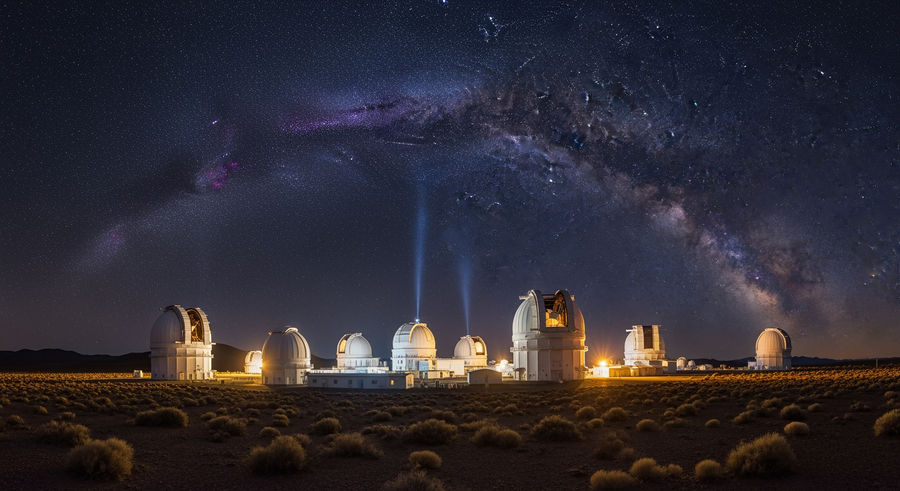
The remote observatory where the exoplanet was discovered.
🔗 Related Articles | Artículos Relacionados
Ciencia en vivo 24/7 | Science Live 24/7
Nuestro canal transmite datos curiosos de ciencia, IA, espacio y tecnología las 24 horas. | Our channel streams science facts, AI, space and technology around the clock.
▶ Ver transmisión | Watch liveOPEN YOUR MIND
Source: Source
Support Open Your Mind
If this article helped you, consider buying me a coffee.
Buy me a coffee
Join the conversation