Nearby Black Hole Offers Clues to Early Universe
Nearby Black Hole Offers Clues to Early Universe

The black hole at the center of a nearby galaxy.
🇺🇸 A Black Hole That's Close to Home
Astronomers have spotted something wild. A feeding black hole in a nearby galaxy. Normally these things are hard to catch in the act because they are far away or hidden. But this one is behaving like those big heavy black holes from just after the Big Bang. Right now, it's gulping down material and emitting a ton of energy—visible all the way here on Earth. With this discovery, scientists get to watch it as if observing a flashback to an ancient era of the universe without needing a time machine. They can study how it interacts with its surroundings using modern tech which is strange, if you think about it.🇪🇸 Un Agujero Negro Cerca de Casa
Los astrónomos han encontrado algo increíble: un agujero negro alimentándose en una galaxia cercana. Normalmente estos son difíciles de ver debido a la distancia o porque están escondidos, pero este se comporta como esos agujeros negros masivos poco después del Big Bang. Está tragando materia y emitiendo mucha energía que se ve desde la Tierra. Esta observación permite a los científicos estudiar el pasado del universo casi como si estuvieran mirando hacia atrás en el tiempo sin necesidad de una máquina del tiempo, usando la tecnología moderna para examinar cómo interactúa con su entorno.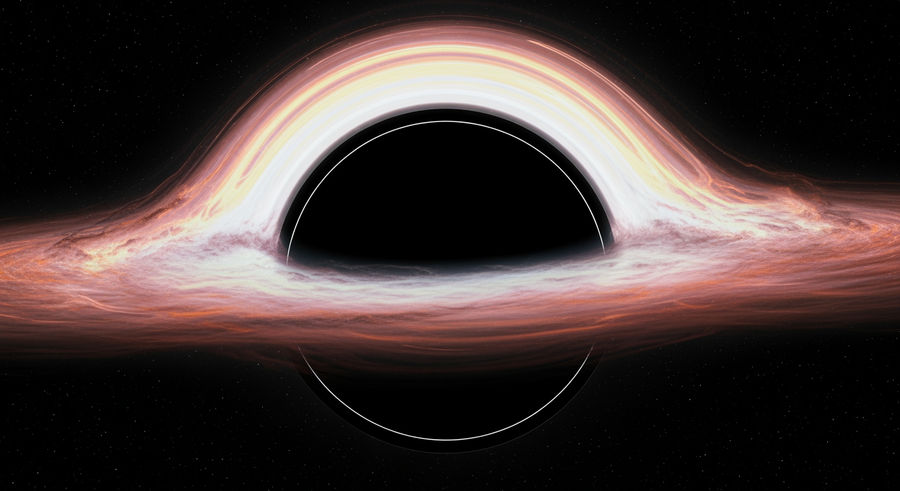
Close-up of the black hole's swirling accretion disk.
🇺🇸 What We Thought We Knew About Black Holes
Black holes aren't exactly new players in cosmic studies but their secrets are still mostly locked away. Researchers knew that massive black holes could form right after the Big Bang from collapsing stars or merging objects but seeing them in action during that period was another story entirely until recently. Scientists had bits and pieces from telescopic images and simulations but lacked the direct evidence necessary to piece everything together accurately till discoveries like this one popped up.🇪🇸 Lo Que Creíamos Saber Sobre los Agujeros Negros
Los agujeros negros no son nuevos en estudios cósmicos aunque todavía guardan muchos secretos. Se sabía que los agujeros negros masivos podían formarse justo después del Big Bang por estrellas colapsadas o fusiones pero observarlos en acción durante ese período era otra historia completamente diferente hasta hace poco. Los científicos contaban con fragmentos de imágenes telescópicas y simulaciones pero faltaba evidencia directa para unir todas las piezas hasta que surgieron descubrimientos como este.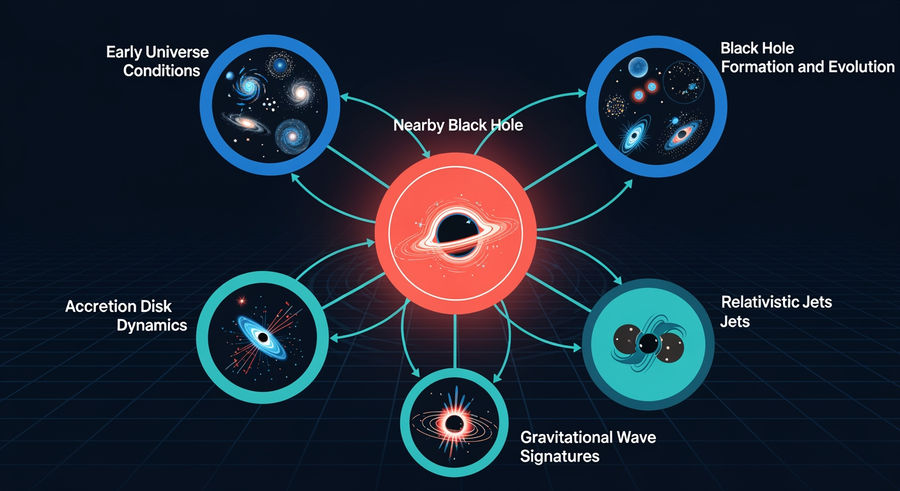
Diagram of black hole structure and its components.
🇺🇸 The Mechanics Behind It All
How does this all work This active black hole's munching of material creates an accretion disk—the real star of the show if you will—which spins rapidly as gravitational forces pull at light-speed levels This spinning generates heat and light sometimes even more than entire galaxies The energy from this process shoots out as jets along magnetic field lines giving us those incredible visible emissions We kind of get a front-row seat thanks to its proximity🇪🇸 La Mecánica Detrás de Todo Esto
¿Cómo funciona esto? Este agujero negro activo está devorando material creando un disco de acreción que podríamos decir es el verdadero protagonista gira rápidamente mientras las fuerzas gravitatorias tiran a velocidades cercanas a la luz Este giro genera calor y luz incluso más que algunas galaxias enteras La energía se expulsa en forma de chorros siguiendo líneas magnéticas permitiéndonos ver esas emisiones impresionantes Gracias a su cercanía tenemos una especie de asiento en primera fila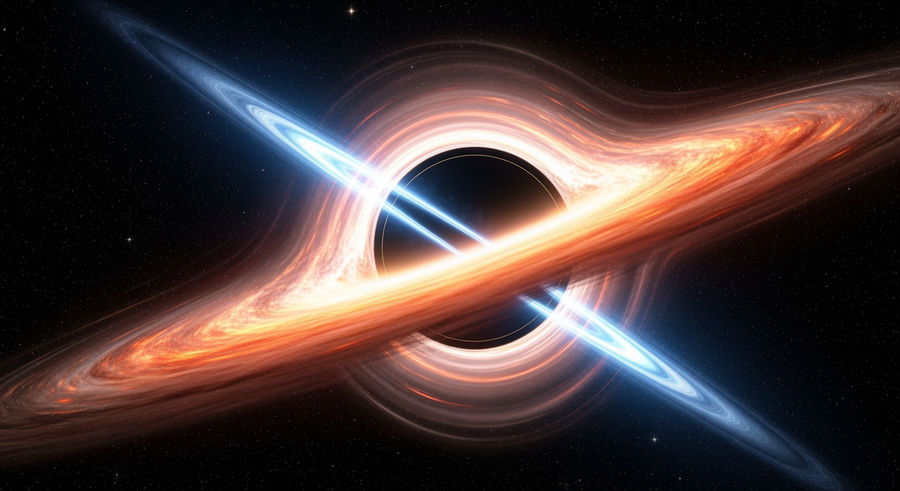
Matter and energy jets interacting with the black hole.
🇺🇸 Implications for Us Mere Mortals
So what does any of this matter for us on Earth Well for one it may change how we see our cosmic neighborhood suddenly feeling smaller yet more connected Every time such findings come up researchers revise theories about how galaxies evolve which eventually trickles down into technology or navigation systems used by everyday people You know those GPS systems we rely on heavily While they may seem unrelated they're rooted in concepts shaped by our understanding of space🇪🇸 Implicaciones para Nosotros los Mortales
¿Y qué importa esto en la Tierra? Bueno por un lado podría cambiar cómo vemos nuestro vecindario cósmico de repente sintiéndose más pequeño pero más conectado Cada vez que surgen hallazgos así los investigadores revisan teorías sobre cómo evolucionan las galaxias lo cual eventualmente influye en tecnología o sistemas de navegación usados por personas comunes ¿Conoces esos sistemas GPS tan importantes? Aunque parezcan no estar relacionados tienen conceptos basados en nuestra comprensión del espacio
Timeline comparing early cosmic titans to the black hole.
🇺🇸 Mysteries Left Unsolved
Still there is much we do not know about these cosmic giants One puzzle concerns how early supermassive black holes formed so quickly Still another query asks why some feed voraciously while others lurk quietly Most observations are snapshots lacking long-term data making it tough Eventually we'll need more breakthroughs Hopefully soon Once again anything dug up only adds another layer As always it's a bit humbling where certainty seems just out of reach🇺🇸 Misterios Sin Resolver
Aún queda mucho por descubrir sobre estos gigantes cósmicos Una incógnita es cómo se formaron tan rápidamente algunos agujeros negros supermasivos Temas adicionales cuestionan por qué unos se alimentan vorazmente mientras otros permanecen tranquilos La mayoría de las observaciones son solo instantáneas sin datos prolongados complicando más el asunto Eventualmente necesitaremos mayores avances esperemos pronto Nuevos hallazgos añaden capas desconocidas Siempre es un tanto humilde cuando la certeza parece siempre estar fuera del alcance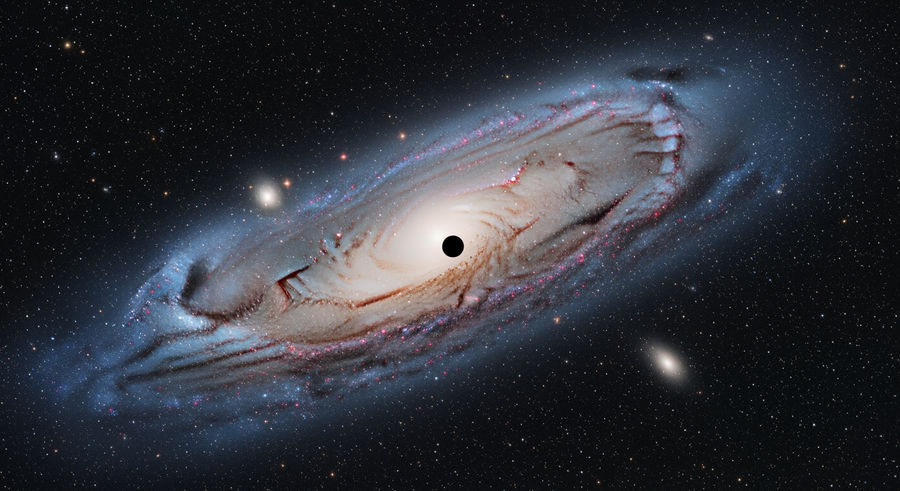
The galaxy hosting the black hole, showing its scale.
🔗 Related Articles | Artículos Relacionados
Ciencia en vivo 24/7 | Science Live 24/7
Nuestro canal transmite datos curiosos de ciencia, IA, espacio y tecnología las 24 horas. | Our channel streams science facts, AI, space and technology around the clock.
▶ Ver transmisión | Watch liveOPEN YOUR MIND
Source: Source
Support Open Your Mind
If this article helped you, consider buying me a coffee.
Buy me a coffee
Join the conversation