Natural Solution for Cleaning Polluted Ports Discovered
Natural Solution for Cleaning Polluted Ports Discovered
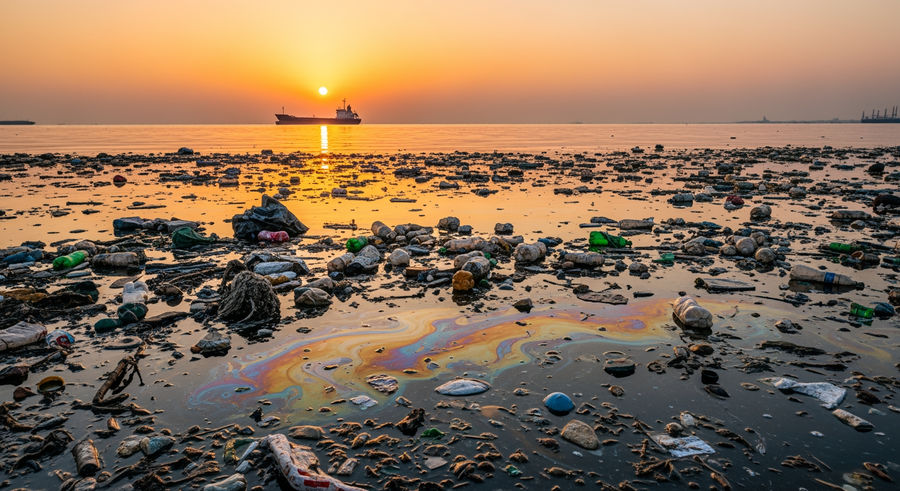
A polluted port with debris and oil slicks during golden hour.
🇺🇸 A Natural Cleanup Crew at Ports
Ports have become some of the most polluted areas in marine environments. Tons of pollutants accumulate there, from oil spills to toxic chemicals in antifouling paints. A breakthrough has been made. Scientists have found a natural way to clean these polluted waters. They discovered specific hardy species that thrive in these harsh conditions. These species can be introduced intentionally into ports to start a process called renaturalization. It is a bit like hiring tiny workers who can swim and clean at the same time. It sounds strange, right? But it seems to work. They eat toxins, break down waste, and help restore balance.
🇪🇸 Descubrimiento de una solución natural en puertos
Como sabemos, los puertos sufren de una alta contaminación por petróleo y químicos tóxicos. Recientemente, se encontró una manera natural de enfrentar este problema. La idea es introducir algunas especies que sean resistentes y puedan prosperar en estas condiciones difíciles. Estas especies actúan como pioneras en un proceso llamado renaturalización. A diferencia de métodos anteriores, estas criaturas pueden descomponer residuos y limpiar los contaminantes sin intervención humana constante. Algo curioso es que lo logran mientras restablecen el equilibrio ambiental. Parece ciencia ficción pero es una realidad emergente.
Como Afiliado de Amazon, obtengo ingresos por las compras adscritas que cumplen los requisitos aplicables.

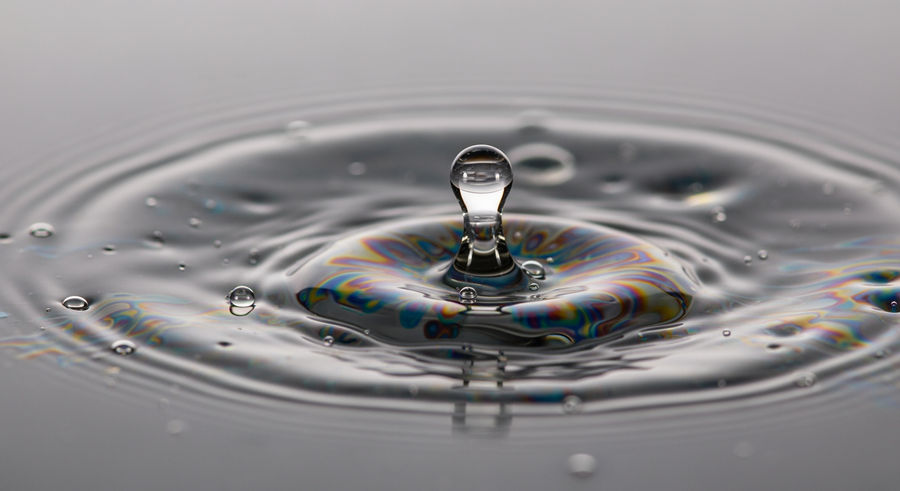
Oil droplets create a rainbow pattern on the water surface.
🇺🇸 The Mess We Already Knew About
Pollution in ports is not news. For decades, we have known that ship traffic brings more than just goods; it also carries invasive species through ballast water. This disrupts local ecosystems in ways you do not see immediately but feels over time. Oil spills are pretty obvious, though, and so is noise pollution from the constant hum of ships and sonar systems interfering with marine life communication.
🇪🇸 Lo que ya sabíamos del problema
Los puertos siempre han sido focos de contaminación. Sabemos que el tráfico marítimo trae especies invasoras en el agua de lastre de los barcos, desplazando la vida marina nativa con el tiempo. Los derrames de petróleo son bastante visibles y dañinos, junto con la contaminación acústica producida por hélices y sistemas de sonar que interfieren con la comunicación animal marina.

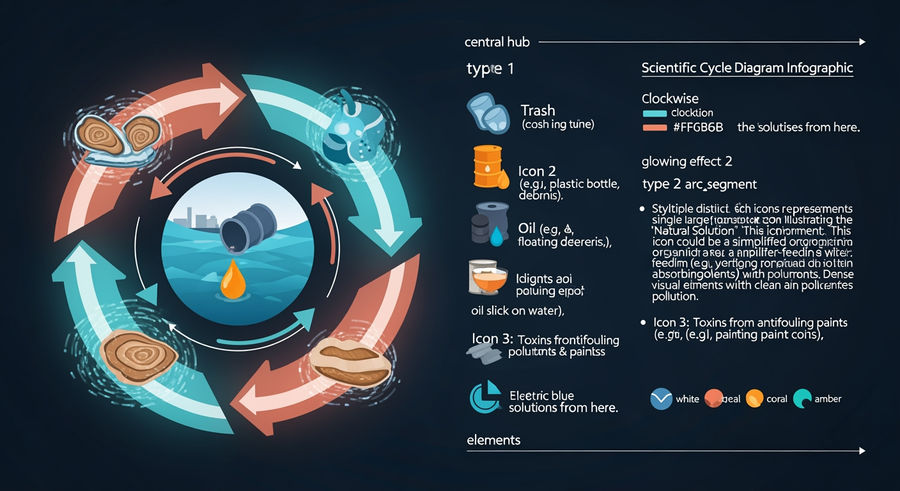
Diagram of various pollution sources affecting ports.
🇺🇸 How Renaturalization Works
The nuts and bolts of renaturalization might sound complex but it is fairly straightforward once you break it down. Certain hardy organisms are like tiny vacuums for pollutants; they literally consume waste materials and toxins in the water around them. The idea is to reintroduce these organisms into polluted ports where they will naturally start cleaning up their surroundings without much human intervention needed afterward.
🇪🇸 El mecanismo detrás de la renaturalización
El proceso es simple cuando lo analizas bien: ciertas especies actúan como aspiradoras naturales para los contaminantes, consumiendo materiales tóxicos del agua a su alrededor. La estrategia consiste en reintroducir estas especies en puertos contaminados para que comiencen a limpiar su entorno de manera natural y sin mucha intervención humana posterior.
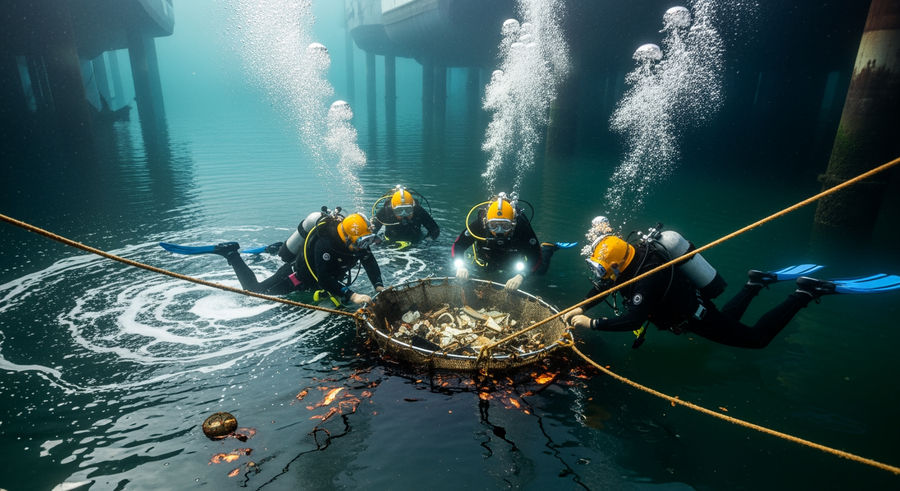
Divers work to clean debris and oil from the polluted port.
🇺🇸 What Changes on the Ground
So what does this mean for people working at or living near ports? For starters, cleaner water leads to healthier local economies by improving fishing prospects and tourism appeal. The immediate presence of less garbage and sludge might even make ports safer environments for dockworkers and marine life alike.
🇪🇸 Cambios concretos para la gente
¿Cómo afecta esto a las personas que trabajan o viven cerca de los puertos? El agua más limpia puede mejorar las economías locales al aumentar las oportunidades de pesca y atraer más turismo. También reduce la cantidad de basura y lodo en el agua, haciendo que los puertos sean lugares más seguros tanto para trabajadores como para la vida marina.

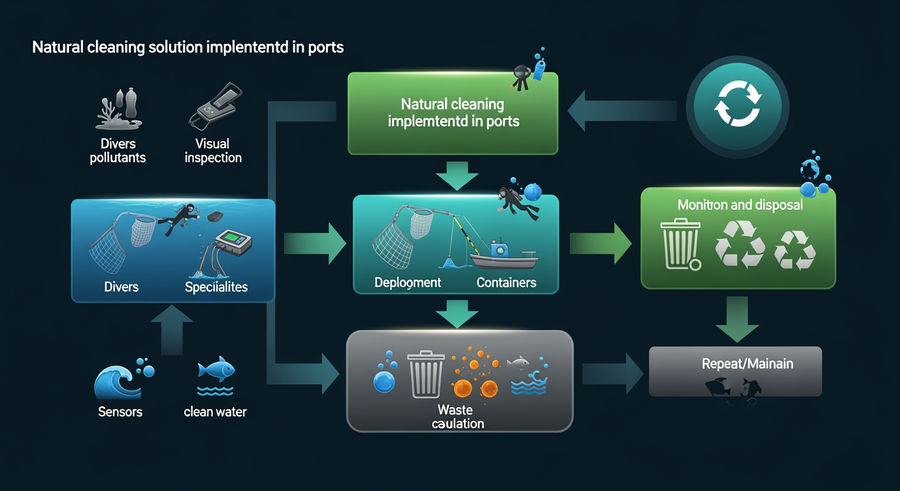
Flowchart detailing the natural cleaning solution process.
🇺🇸 Still Figuring Things Out
There is still a lot we do not know about how well these species will adapt long-term or if they might themselves become invasive over time. What happens if conditions change faster than they can manage? Will they keep pace with increasing pollution levels? These questions remain largely unanswered as researchers continue to study this promising method.
🇪🇸 Todavía hay incógnitas
No todo está claro aún: no sabemos cómo se adaptarán estas especies a largo plazo ni si podrían convertirse en invasoras eventualmente. ¿Qué pasará si las condiciones cambian más rápido de lo que pueden manejar? ¿Podrán mantenerse al ritmo del aumento creciente de contaminación? Estas preguntas siguen sin respuesta mientras los investigadores continúan estudiando este método prometedor.


A wide view of the port showing the scale of pollution.
🔗 Related Articles | Artículos Relacionados
Nuestro canal transmite datos curiosos de ciencia, IA, espacio y tecnología las 24 horas. | Our channel streams science facts, AI, space and technology around the clock.
▶ Ver transmisión | Watch liveOPEN YOUR MIND
Source: Source
Join the conversation