NASA Spacecraft Captures Stunning Earth-Moon Image
NASA Spacecraft Captures Stunning Earth-Moon Image

Earth and Moon as seen from the ESCAPADE spacecraft.
🇺🇸 A Surprising Image from Space
NASA got a special treat on July 3. One of its ESCAPADE spacecraft, aimed at Mars, snapped a picture of Earth and the Moon. The photo was taken when the spacecraft was quite far away, nearly 363 thousand miles from Earth. And the Moon? About 115 thousand miles further. Both celestial bodies appeared together in visible and thermal infrared light. Capturing both Earth and Moon like that is rare due to their relative positions. You usually get one or the other, but not both in such clarity. The image shows our cosmic neighborhood in a way we do not usually see.🇪🇸 Una Imagen Sorprendente desde el Espacio
El 3 de julio, NASA recibió una sorpresa especial gracias a uno de sus naves ESCAPADE que va rumbo a Marte. La nave tomó una foto de la Tierra y la Luna mientras se encontraba increíblemente lejos: casi 363 mil millas de la Tierra y alrededor de 115 mil millas más hasta la Luna. Ambas esferas celestiales aparecen en la imagen tanto en luz visible como en infrarroja térmica. Es raro capturar a los dos cuerpos juntos con esa claridad debido a sus posiciones relativas. Esta imagen nos muestra nuestro vecindario cósmico como no lo hacemos habitualmente.Como Afiliado de Amazon, obtengo ingresos por las compras adscritas que cumplen los requisitos aplicables.

El libro de la astronomía (DK)
Ideal para profundizar en la historia y los conceptos clave de la observación espacial y planetaria.
Ver en Amazon
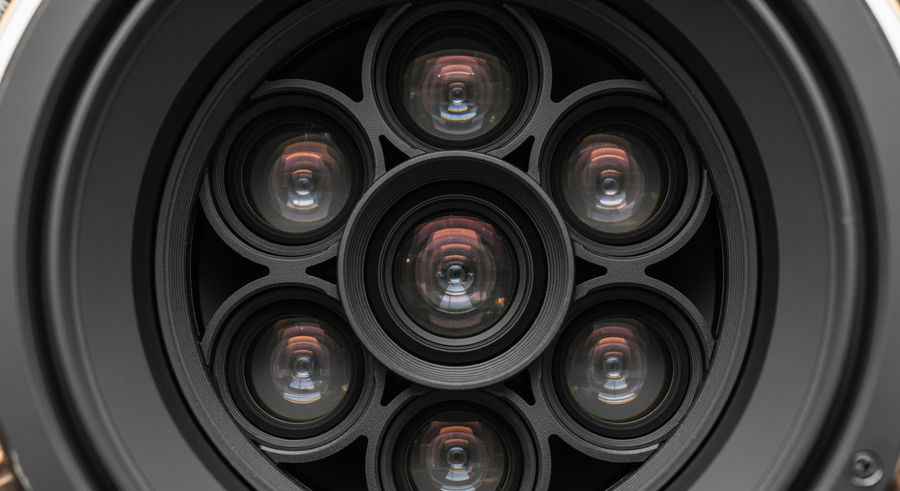
Close-up of the ESCAPADE spacecraft's camera lens.
🇺🇸 What We Knew Before
Before this, scientists already knew how difficult it is to capture both Earth and Moon together in one shot from such distances. Previous missions have tried similar feats but often had to choose between one or the other due to lighting issues or technical limitations. Already aware of the distances involved, they understood why it is hardly ever done. Techniques exist for capturing images in different light spectrums; however, doing both at once is rare. People already knew about these hurdles but seeing it executed so well surprised many.🇪🇸 Lo Que Sabíamos Antes
Antes de esto, los científicos sabían lo complicado que es capturar la Tierra y la Luna juntas desde tales distancias en una sola toma. Misiones anteriores han intentado hazañas similares pero usualmente tuvieron que elegir entre un cuerpo u otro debido a problemas de iluminación o limitaciones técnicas. Aunque se sabe que las técnicas existen para capturar imágenes en diferentes espectros de luz, hacer ambas cosas al mismo tiempo es raro. Ya conocían estos desafíos pero verlos ejecutados tan bien sorprendió a muchos.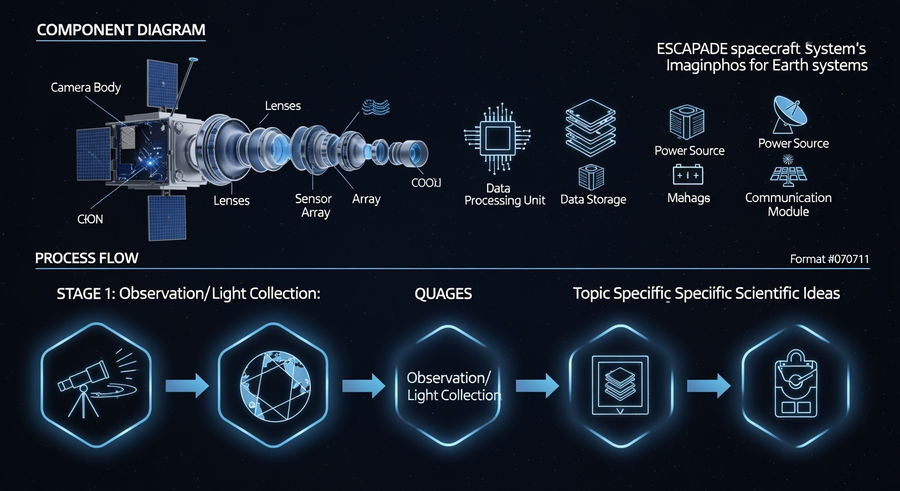
Diagram of ESCAPADE's imaging systems.
🇺🇸 The Mechanics Behind It
So how does it work? The spacecraft used its specialized cameras to take photos in both visible and thermal infrared light simultaneously. These cameras are designed to operate under extreme conditions far from our planet—extreme temperatures and radiation levels play into their design as well. They capture light in ways regular cameras cannot match. By capturing images in different spectrums at once, the spacecraft gives us more information than usual about each celestial body’s composition and behavior.🇪🇸 La Mecánica Detrás de Esto
¿Cómo funciona esto? La nave usó cámaras especializadas para tomar fotos simultáneamente en luz visible e infrarroja térmica. Estas cámaras están diseñadas para funcionar bajo condiciones extremas lejos de nuestro planeta—las temperaturas extremas y los niveles de radiación influyen también en su diseño. Capturan luz de maneras que las cámaras normales no pueden igualar. Al capturar imágenes en diferentes espectros al mismo tiempo, la nave nos ofrece más información sobre la composición y el comportamiento de cada cuerpo
Cámara Térmica FLIR ONE Gen 3
Permite experimentar con la captura de imágenes en el espectro infrarrojo térmico, tal como lo hizo la nave de la NASA.
Ver en Amazon
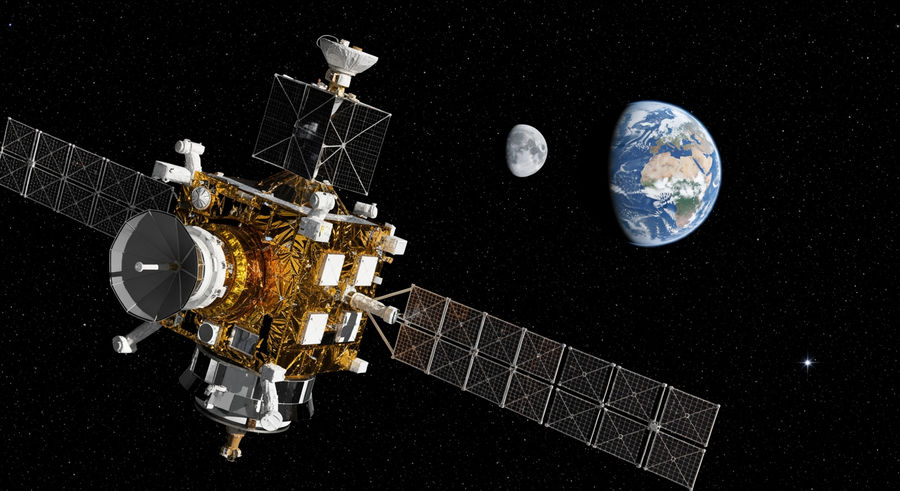
ESCAPADE spacecraft capturing the Earth-Moon image.
🇺🇸 Consequences Here on Earth
What does this mean for us? Not much changes for your day-to-day life surprisingly enough but pictures like these can inspire new generations of scientists and dreamers who look up at the sky wondering what else is out there. It might boost interest in space exploration or even affect funding decisions for future missions thanks to its visual impact. For now, it just serves as a reminder of where we are in the cosmos—a small part of something much larger than ourselves.🇪🇸 Consecuencias Aquí en la Tierra
¿Qué significa esto para nosotros? En realidad no cambia mucho tu vida diaria curiosamente pero imágenes así pueden inspirar a nuevas generaciones de científicos y soñadores que miran al cielo preguntándose qué más hay allá afuera. Podría aumentar el interés por la exploración espacial o incluso afectar decisiones de financiamiento para futuras misiones gracias a su impacto visual. Por ahora solo sirve como un recordatorio de dónde estamos en el cosmos—una pequeña parte de algo mucho más grande que nosotros mismos.Cámara de Astrofotografía ZWO ASI120MC-S
Una cámara de alta velocidad diseñada específicamente para capturar imágenes planetarias y lunares de alta resolución.
Ver en Amazon
Timeline of the ESCAPADE mission capturing the image.
🇺🇸 The Mysteries That Remain
But what remains unanswered? Despite capturing such vivid images, many questions linger about the interactions between Earth and Moon especially regarding gravitational effects over long distances or subtle atmospheric interactions we still do not fully understand yet keep studying these relationships hoping for clues about planetary formation or solar system dynamics overall Though the image is clear what lies beneath remains to be uncovered🇪🇸 Los Misterios Que Quedan
¿Pero qué queda por responder? A pesar de captar imágenes tan vívidas aún quedan muchas preguntas sobre las interacciones entre la Tierra y la Luna especialmente respecto a los efectos gravitacionales a largas distancias o las sutiles interacciones atmosféricas que aún no entendemos completamente Seguimos estudiando estas relaciones esperando pistas sobre la formación planetaria o las dinámicas del sistema solar Aunque la imagen es clara lo que yace debajo aún debe ser descubierto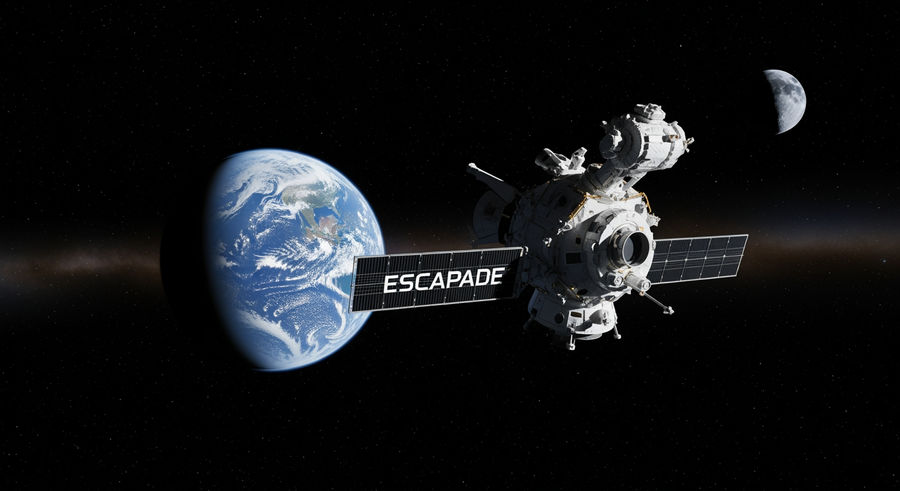
ESCAPADE spacecraft in space with Earth and Moon visible.
🔗 Related Articles | Artículos Relacionados
Ciencia en vivo 24/7 | Science Live 24/7
Nuestro canal transmite datos curiosos de ciencia, IA, espacio y tecnología las 24 horas. | Our channel streams science facts, AI, space and technology around the clock.
▶ Ver transmisión | Watch liveOPEN YOUR MIND
Source: Source
Support Open Your Mind
If this article helped you, consider buying me a coffee.
Buy me a coffee
Join the conversation