Cornell Students' Robot Triumphs in Robotics Challenge
Cornell Students' Robot Triumphs in Robotics Challenge

Cornell team celebrates victory with their robot.
Como Afiliado de Amazon, obtengo ingresos por las compras adscritas que cumplen los requisitos aplicables.

Libro: ROS 2 Robotics Projects
Ideal para aprender a programar los sistemas de navegación autónoma y control que utilizan los robots universitarios modernos.
Ver en Amazon
🇺🇸 Cornell's Robot Wins the Challenge
A group of students from Cornell University won the Farm Robotics Challenge. Andrew James, Neil Morrison, Natalia Kurz, and Michael Neiss made up the team. They worked on a robot prototype designed to kill weeds. This wasn't just any competition. Ninety-five teams competed for this grand prize. May 21 was the day of victory. Their robot stood out for its precision and efficiency in removing weeds without harming crops. That's a big deal in agriculture. Weeds are like thieves, taking nutrients away from crops that really need them.🇪🇸 El Robot de Cornell Gana el Desafío
Un grupo de estudiantes de la Universidad de Cornell ganó el Farm Robotics Challenge con su robot innovador. Andrew James y sus compañeros dedicaron muchas horas al diseño del prototipo para eliminar malas hierbas sin perjudicar los cultivos cercanos. No era cualquier competencia; noventa y cinco equipos se enfrentaban por el gran premio el pasado 21 de mayo cuando se anunció la victoria del equipo de Cornell que resaltó por su precisión en la tarea. Esto es importante para la agricultura ya que las malas hierbas son un problema grande.
Detailed view of the robot's sensor technology.
🇺🇸 Context and Background
We already knew that agriculture struggles with weed control. Farmers use pesticides or physical labor to remove them which costs time and money and can hurt the environment too but what's new is using robots to tackle this issue directly at the farm level instead of in labs or tests far removed from actual fields.🇺🇸 Contexto y Antecedentes
En agricultura siempre ha sido difícil controlar las malezas pero hasta ahora dependíamos mucho de pesticidas o trabajo físico lo cual no es ideal ni por costo ni por impacto ambiental ¿Qué hay de nuevo acá Entonces Empezamos a ver robots en acción directamente en los campos solucionando problemas reales y no solo en pruebas o laboratorios.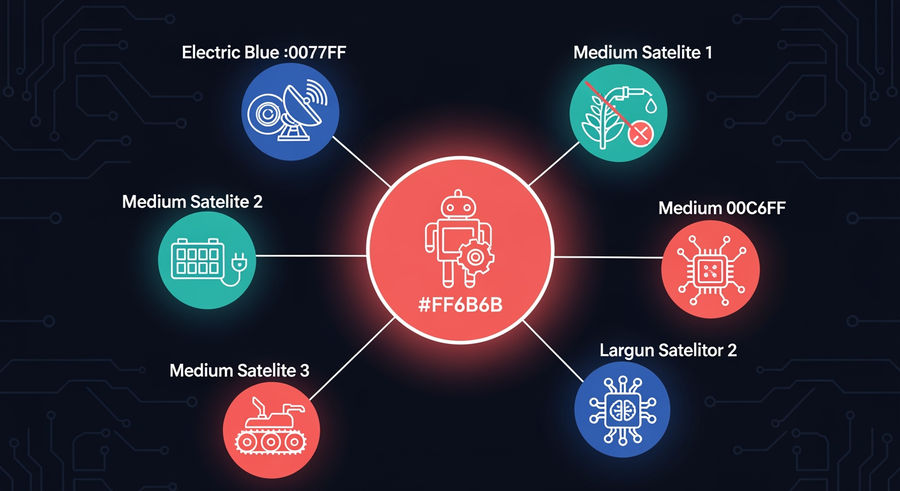
Diagram of the robot's key components.
🇺🇸 The Mechanisms Inside
Their weed-killing robot uses cameras and sensors to detect unwanted plants in real-time as it roams around fields autonomously identifying weeds then targeting them with precision tools maybe cutters or some kind of mechanical arm I kept rereading that part to make sure I got it right The details are technical but the essence is clear seek destroy leave crops unharmed.🇪🇸 Los Mecanismos Internos

Elegoo Smart Robot Car Kit V4.0
Un kit práctico excelente para entender la locomoción autónoma y la integración de sensores antes de construir un robot a gran escala.
Ver en Amazon
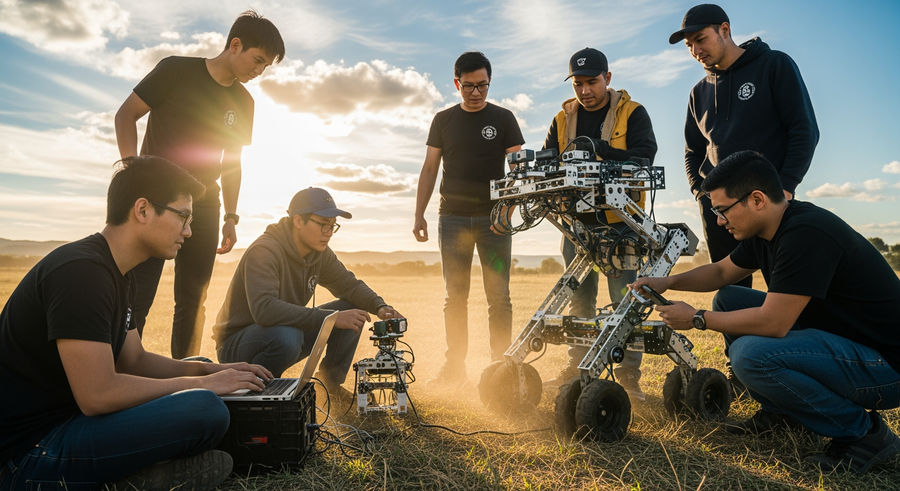
Students test and program the robot in action.
🇺🇸 Impact on Agriculture
With this tech fewer pesticides might be needed That could mean safer food lower costs less environmental damage But this win is practical it makes farmers lives easier Anyone who spends hours pulling weeds knows how tedious backbreaking costly it can get This does not solve everything for everyone everywhere today though It is one more tool.
RPLIDAR A2M8 360 Grados
Sensor de escaneo láser de alta precisión esencial para la navegación autónoma y la evasión de obstáculos en entornos agrícolas complejos.
Ver en Amazon
🇪🇸 Impacto en la Agricultura
Con esta tecnología podría disminuirse el uso de pesticidas lo que resultaría en alimentos más seguros menores costos y menos daño al medio ambiente El triunfo del equipo tiene implicaciones prácticas al facilitarles la vida a los agricultores Cualquiera que haya pasado horas quitando malas hierbas sabe lo tedioso agotador y caro que puede ser Claro esto no soluciona todos los problemas Hoy pero es una herramienta útil
Flowchart of the team's journey to victory.
🇺🇸 Remaining Questions
Much we still don't know How will these robots perform across diverse crop types climates Will they adapt quickly We've seen success here But scaling up might hold surprises Right now it's unclear what challenges lie ahead when you move beyond controlled environments into vast unpredictable farmland Machines sometimes fail Even if well-built🇪🇸 Preguntas Sin Responder
Aún quedan dudas importantes ¿Cómo funcionarán estos robots en diferentes tipos de cultivos climas? No sabemos si podrán adaptarse rápidamente A pesar del éxito observado faltan descubrir cosas cuando nos movemos fuera del entorno controlado hacia extensos terrenos agrícolas donde todo es más impredecible Las máquinas pueden fallar aun si están bien construidas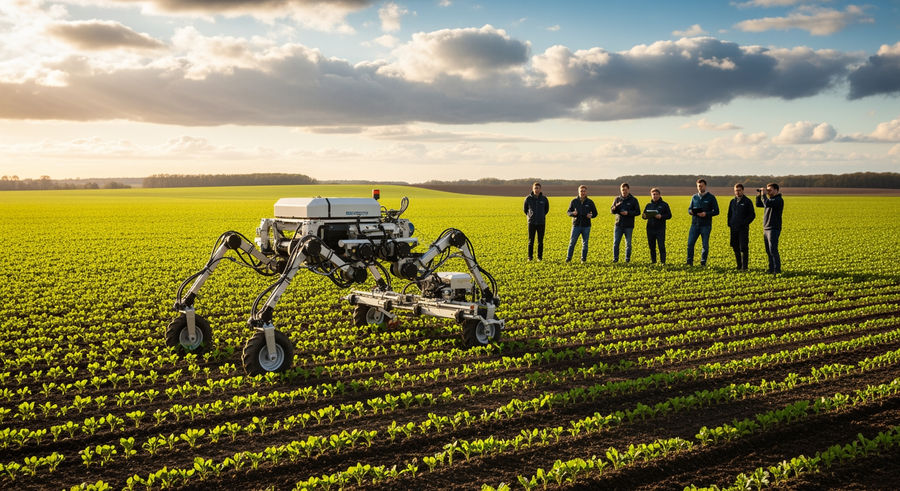
The robot works in the field as the team observes.
🔗 Related Articles | Artículos Relacionados
Ciencia en vivo 24/7 | Science Live 24/7
Nuestro canal transmite datos curiosos de ciencia, IA, espacio y tecnología las 24 horas. | Our channel streams science facts, AI, space and technology around the clock.
▶ Ver transmisión | Watch liveOPEN YOUR MIND
Source: Source
Support Open Your Mind
If this article helped you, consider buying me a coffee.
Buy me a coffee
Join the conversation