The North Atlantic’s ‘cold blob’ may signal a major current’s decline
The North Atlantic’s ‘cold blob’ may signal a major current’s decline
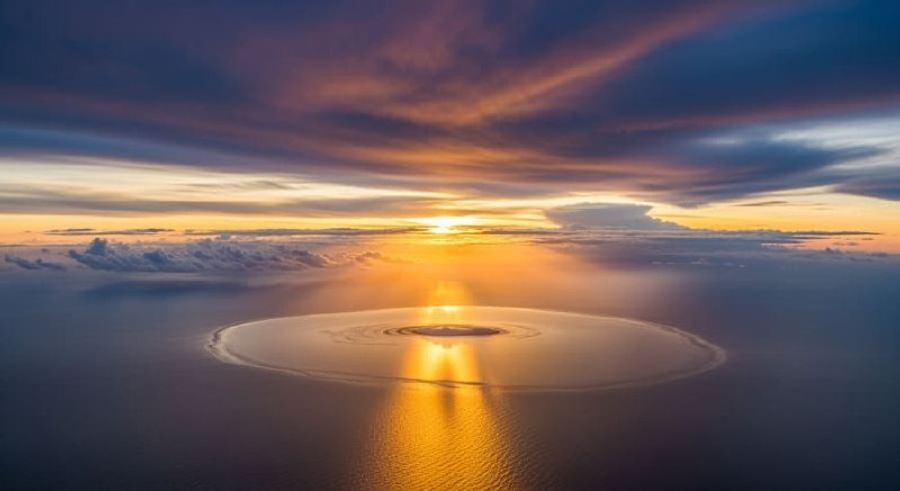
Aerial view of the North Atlantic's cold blob at sunrise.
🇺🇸 Unusual Cold Water in the North Atlantic
A patch of cold water in the North Atlantic is acting weird. Researchers have their eyes on it because it could mean a big change is coming. Not every day you see a blob of cold water sitting like that while everything around it warms up. Strange, right Scientists are saying that this cold blob may point to a decline in the Atlantic Meridional Overturning Circulation or AMOC for short. This circulation is pretty important for our climate so if it's weakening, that's something to worry about.🇪🇸 Agua fría inusual en el Atlántico Norte
Una mancha de agua fría en el Atlántico Norte está siendo rara. Los investigadores están atentos porque esto podría significar que viene un cambio grande. No es común ver una burbuja de agua fría así mientras todo a su alrededor se calienta. Es raro, ¿verdad? Dicen que esta anomalía podría indicar que la Circulación de Retorno Meridional del Atlántico, conocida como AMOC, está debilitándose. Esta circulación es crucial para nuestro clima y si está perdiendo fuerza, eso preocupa.🇺🇸 What We Knew Before
Before this cold blob showed up, we knew the North Atlantic played a key role in regulating Earth’s climate through its ocean currents. These currents have been moving warm and cold water between continents for centuries sort of like nature's own thermostat. Scientists figured out long ago that changes here can shift weather patterns globally but now things seem off balance more than expected.🇪🇸 Lo que sabíamos antes
Antes de que apareciera esta burbuja fría, ya sabíamos que el Atlántico Norte jugaba un papel clave en regular el clima del planeta con sus corrientes oceánicas. Durante siglos han movido agua cálida y fría entre los continentes como un termostato natural. Los científicos descubrieron hace tiempo que cambios aquí pueden alterar patrones climáticos globales pero ahora parece más desajustado de lo previsto.🇺🇸 The Mechanics Behind It
So how does this thing even work The AMOC is like an ocean conveyor belt driven by differences in temperature and salinity which cause water to sink or rise as needed. Warm salty water moves north cools down sinks and then travels back south at deeper depths completing the loop over thousands of miles. But when more fresh water from melting ice enters the system it messes with buoyancy and slows everything down.🇪🇸 El funcionamiento mecánico
¿Y cómo funciona esto? El AMOC es como una cinta transportadora oceánica movida por diferencias de temperatura y salinidad lo cual hace que el agua suba o baje según sea necesario. Agua cálida y salada va hacia el norte se enfría se hunde y luego regresa al sur a mayor profundidad completando así el ciclo tras recorrer miles de millas Pero cuando más agua dulce proveniente del deshielo entra al sistema altera la flotabilidad frenando todo.🇺🇸 Consequences for Life on Earth
If this cold blob really means the AMOC is slowing down there will be ripples through ecosystems and economies alike More storms increased flooding and shifting fish populations might just be part of what comes next Europe could face harsher winters even as other regions deal with rising temperatures It's not just about theory anymore these are real-world impacts staring us down🇪🇸 Consecuencias para la vida en la Tierra
Si esta burbuja fría significa realmente que el AMOC se está ralentizando habrá repercusiones tanto en ecosistemas como en economías Más tormentas inundaciones crecientes y desplazamientos de poblaciones de peces podrían ser solo parte del problema Europa podría enfrentar inviernos más duros mientras otras regiones lidian con temperaturas al alza Ya no es solo teoría son impactos reales mirándonos directamente🇺🇸 What We Do Not Know Yet
There are still many unknowns surrounding this situation How fast might these changes happen Can the system bounce back somehow Will human actions speed up or slow down what's happening Honestly I kept rereading parts trying to make sense What we do know is limited but researchers aren't throwing in the towel yet Asking questions chasing clues figuring out bit by bit🇪🇸 Lo que aún no sabemos
Todavía hay muchas incógnitas sobre esta situación Qué tan rápido podrían ocurrir estos cambios Puede recuperarse el sistema de alguna manera Las acciones humanas acelerarán o frenarán lo que está pasando Sinceramente releí algunas partes tratando de entender Lo poco que sabemos sigue siendo limitado pero los investigadores no se rinden aún Hacen preguntas buscan pistas intentan averiguar poco a poco🔗 Related Articles | Artículos Relacionados
Ciencia en vivo 24/7 | Science Live 24/7
Nuestro canal transmite datos curiosos de ciencia, IA, espacio y tecnología las 24 horas. | Our channel streams science facts, AI, space and technology around the clock.
▶ Ver transmisión | Watch liveOPEN YOUR MIND
Source: Source
Support Open Your Mind
If this article helped you, consider buying me a coffee.
Buy me a coffee
Join the conversation