Light-activated gel could impact wearables, soft robotics, and more
Light-activated gel could impact wearables, soft robotics, and more
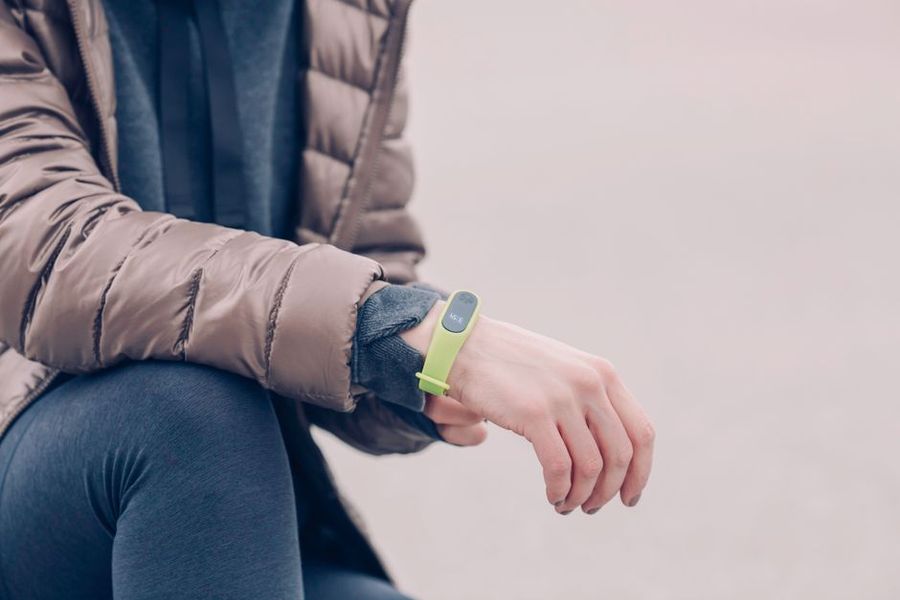
The light-activated gel glows under controlled lighting.
🇺🇸 Light-activated gel shakes things up
MIT researchers have developed a light-activated gel that might just tweak the way we think about ionotronics. Picture this: a material that bends and folds when exposed to visible light, like it's doing yoga on command. This gel doesn't use electrons for conducting data but ions instead, which is strange if you think about it given how most of our devices are electron-based. It behaves like living tissue in some ways, which makes it perfect for wearables or even soft robotics. You shine a light, it moves — like magic. But also not magic because science is behind it all.🇪🇸 Un gel activado por luz que sorprende
Investigadores de MIT han creado un gel activado por luz que podría cambiar nuestra percepción sobre los ionotrónicos. Imagina un material que se dobla y flexiona al sentir la luz visible, como si hiciera yoga al mando de un control remoto. Este gel no usa electrones para conducir datos; usa iones en su lugar, lo cual es curioso considerando que la mayoría de nuestros dispositivos dependen de electrones. Actúa de manera similar al tejido vivo y eso lo hace ideal para wearables o incluso robótica blanda. Luces una linterna y el gel se mueve.🇺🇸 The what-we-already-knew part
Okay so before this development, people had been playing around with materials that could mimic biological tissues for years. I mean, everyone wants their tech to be more human-friendly right? The idea of using ions instead of electrons has been around too but making it practical was another story altogether. Researchers have long been trying to get these materials to respond reliably and predictably when stimulated by external cues like electricity or light.🇪🇸 Lo que ya sabíamos antes
Antes de este avance, llevábamos años experimentando con materiales que imitan tejidos biológicos porque todos queremos tecnología más amigable con el humano ¿verdad? La idea de usar iones en vez de electrones también existía pero hacerlo práctico era otro asunto completamente distinto. Los investigadores han intentado durante mucho tiempo lograr que estos materiales respondan de manera confiable cuando son estimulados por señales externas como electricidad o luz.🇺🇸 A peek into the mechanics
Here's where things get a bit complex and I kept rereading this part because chemistry isn't my strong suit. So they used a blend of polymers that can hold onto water pretty well and embedded it with chromophores — molecules that change shape upon absorbing light energy — which then trigger an ion movement within the gel network itself causing deformation or movement depending on how you look at it.🇪🇸 Mirada técnica al funcionamiento
Aquí la cosa se complica y tuve que releer esta parte porque química no es mi fuerte exactamente. Usaron una mezcla de polímeros que retienen bien el agua y los integraron con cromóforos — moléculas capaces de cambiar su forma al absorber energía lumínica — provocando después un movimiento iónico dentro del propio entramado del gel causando deformación o movimiento según cómo se mire.🇺🇸 What this means out there in the world
So why does any of this matter? Because imagine having wearable devices that can adjust themselves by just changing the lighting conditions rather than needing buttons or screens or whatever else stirs your coffee in the morning. Soft robotics could also take huge steps forward with materials capable of reshaping based on remote controls via simple flashlights or other light sources.🇪🇸 Impacto en el mundo real
¿Y esto qué significa entonces? Pues imagina tener dispositivos wearables que puedan ajustarse solos simplemente cambiando las condiciones lumínicas sin necesidad de botones o pantallas ni nada por el estilo para agitar tu café matutino tampoco haría falta pulsar nada extraña escena ¿no? También las investigaciones en robótica blanda podrían dar pasos gigantescos hacia adelante empleando materiales capaces de reconfigurarse usando controles remotos mediante linternas simples u otras fuentes luminosas disponibles.🇺🇸 Still scratching heads over questions
But let's not pretend we've got all bases covered here because there are still lingering questions unanswered about long-term stability under repeated cycles of activation and whether such gels can maintain efficiency over time without degrading significantly meaning qualities might change sooner than expected life span-wise potentially impacting commercial applications negatively unless those issues get sorted out pronto somehow somewhere someone needs answers fast please care enough do something eventually maybe who knows🇪🇸 Preguntas aún sin resolver
Pero no fingimos tener todo bajo control porque persisten preguntas sin responder sobre la estabilidad a largo plazo bajo ciclos repetidos ¿podrán esos gels mantener eficacia con el tiempo sin degradarse significativamente? Eso podría afectar negativamente aplicaciones comerciales si no resuelven esos problemas pronto alguien necesita respuestas rápidas eventualmente alguno debe preocuparse hacer algo tal vez quién sabe esperemos resultado positivo pronto crucemos dedos🔗 Related Articles | Artículos Relacionados
OPEN YOUR MIND
Source: Source
Support Open Your Mind
If this article helped you, consider buying me a coffee.
Buy me a coffee
Join the conversation