Webb Studies Star Clusters
Webb Studies Star Clusters
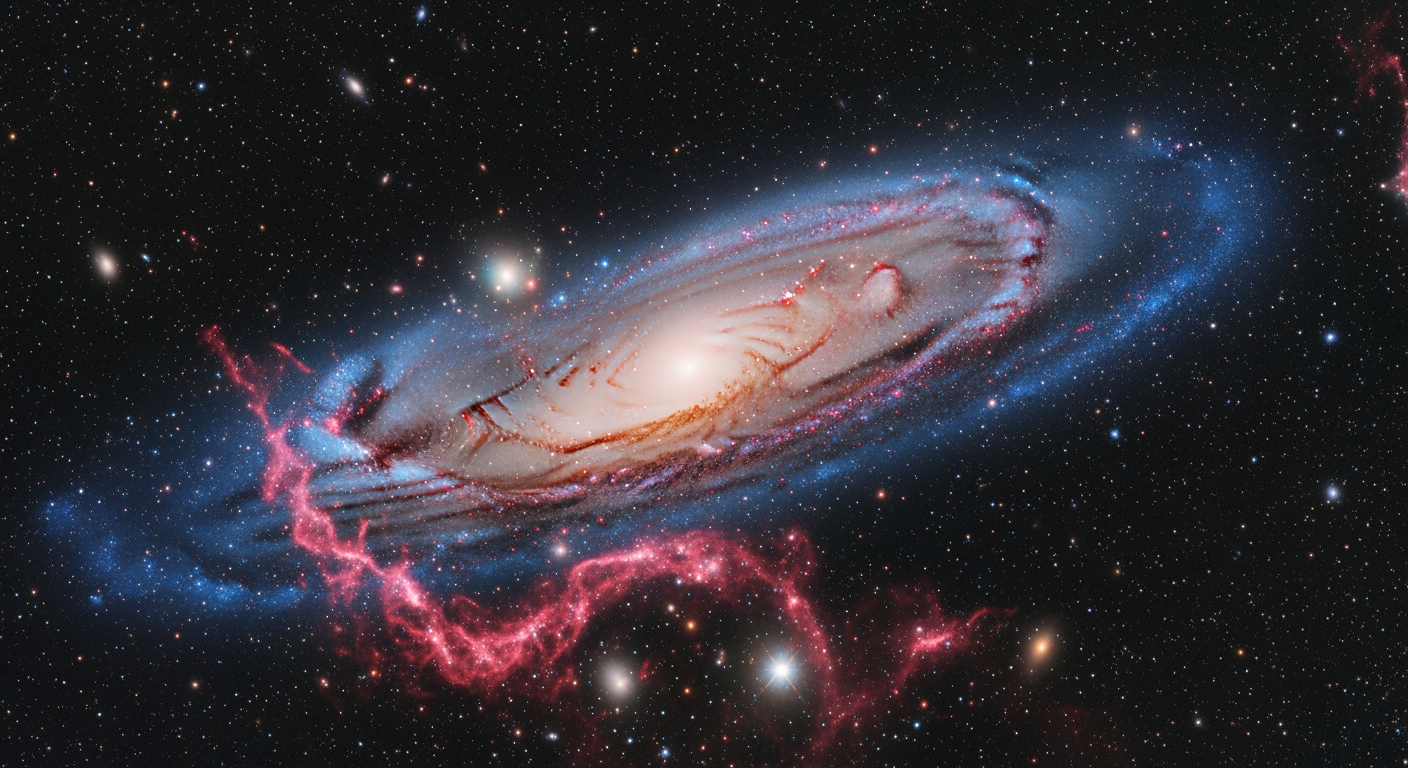
🇺🇸 Webb's Latest Glimpse: Star Clusters
This new image from the James Webb Space Telescope shows part of a spiral arm of Messier 51. It's like peeking into a cosmic cityscape, packed with around 9,000 star clusters. Some are dense and massive, others more spread out. But here’s the thing that caught my eye: these clusters aren't just hanging out randomly. Turns out, bigger clusters are forming more often than smaller ones. Which is strange if you think about it because intuition might suggest smaller things are easier to form. Maybe it's gravity doing its thing more efficiently on larger scales.🇪🇸 El Último Vistazo de Webb: Cúmulos Estelares
La imagen liberada por el telescopio James Webb muestra una parte del brazo espiral de Messier 51 y parece una ciudad cósmica llena de aproximadamente 9,000 cúmulos estelares. Algunos son densos y masivos; otros están más dispersos. Lo curioso es que los cúmulos más grandes se están formando con más frecuencia que los pequeños, lo cual desafía la intuición ya que uno pensaría que algo más pequeño sería más fácil de crear. Quizás es la gravedad operando de manera más efectiva a gran escala.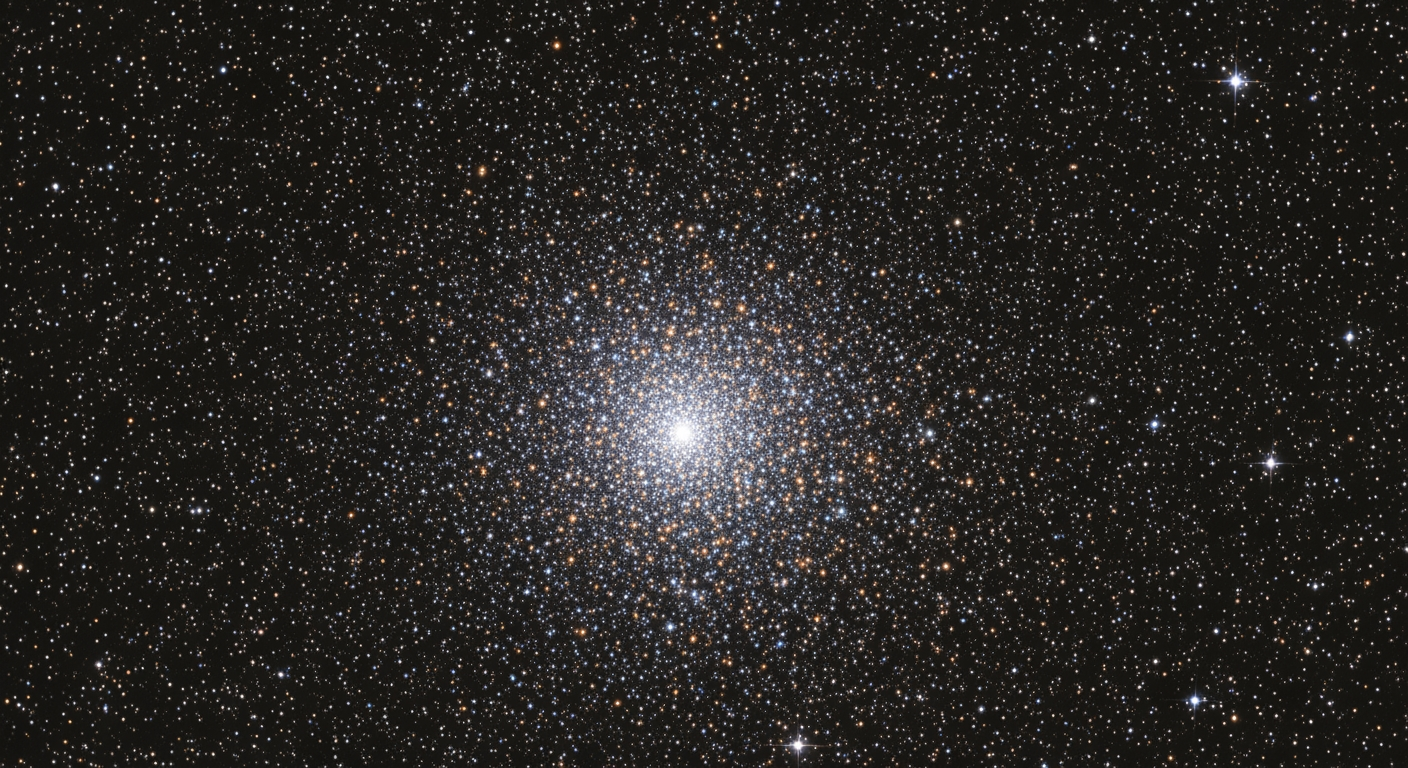
🇺🇸 What We Knew Before from Other Telescopes
Messier 51 is not just any galaxy; it's one of those classic spirals we often see in textbooks and documentaries. Astronomers have studied it for decades using Hubble and ground-based telescopes. They already knew it had tons of young stars dancing around in those spirals but couldn't quite make out the finer details of these clusters until now. In particular, understanding how these clusters varied in size was still kind of fuzzy before Webb came into play.🇪🇸 Lo Que Sabíamos Antes con Otros Telescopios
Messier 51 no es solo cualquier galaxia; es uno de esos espirales clásicos que siempre vemos en libros y documentales sobre el espacio. Los astrónomos han estado estudiándola durante décadas usando Hubble y telescopios terrestres y ya sabían que tenía muchas estrellas jóvenes girando en sus espirales aunque les faltaban los detalles finos acerca de estos cúmulos hasta ahora especialmente cómo variaban en tamaño lo cual seguía siendo un poco confuso antes de la llegada del telescopio Webb.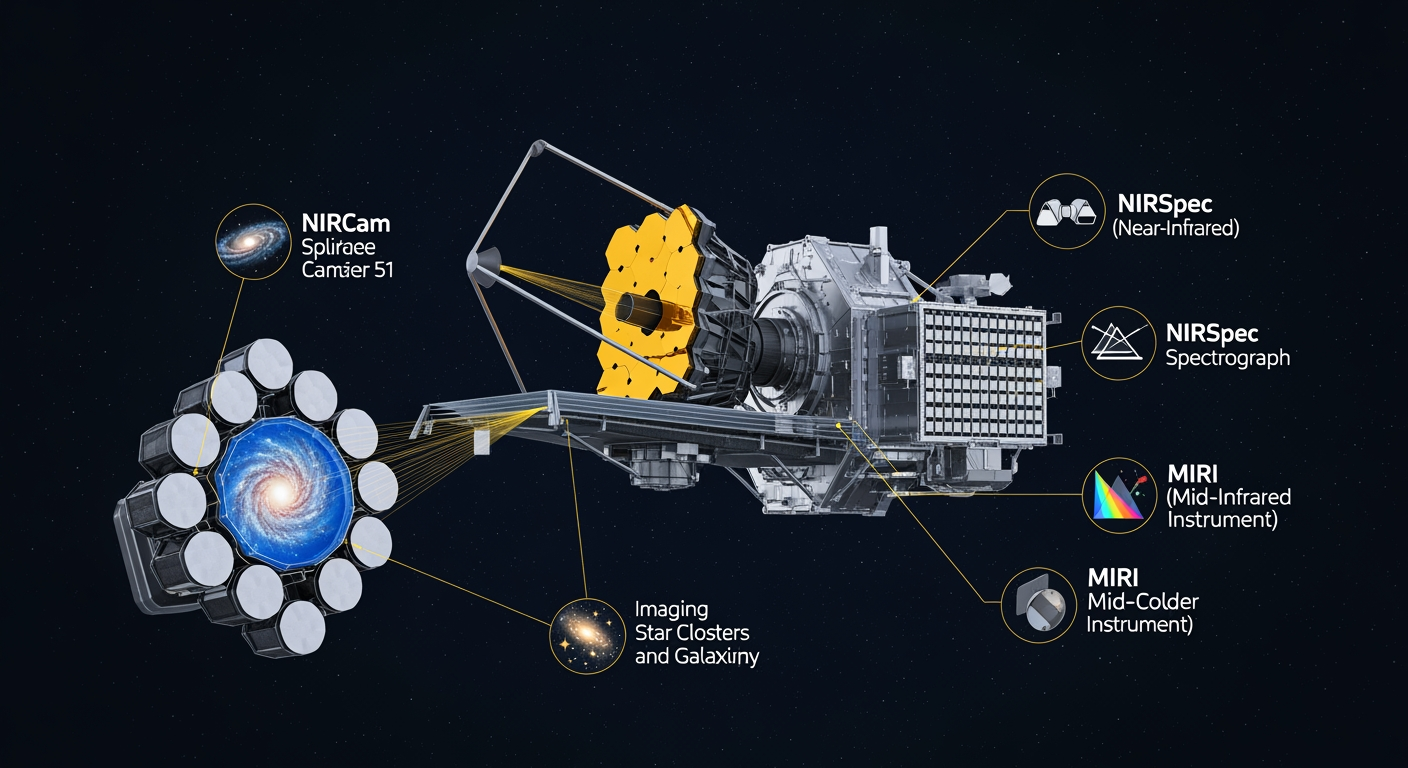
[ Scientific Visual Diagram | Diagrama Visual Científico ]
🇺🇸 Peering Deeper with Infrared Vision
So how does James Webb pull this off? It uses near-infrared imaging to get past dusty regions that block our view in visible light letting us see those stars better than ever before. The infrared can cut through space dust like it's nothing revealing what's hidden behind cosmic curtains but even then I kept rereading parts trying to grasp how exactly it pinpoints the mass differences between clusters when there are just so many factors at play here including distance brightness and even orientation towards us.🇪🇸 Mirando Más Profundo con Visión Infrarroja
¿Cómo logra esto el telescopio James Webb? Usa imágenes en infrarrojo cercano para atravesar las regiones polvorientas que bloquean nuestra vista en luz visible permitiéndonos ver esas estrellas mejor que nunca antes. El infrarrojo corta el polvo cósmico como si nada revelando lo que está oculto detrás de cortinas cósmicas pero aun así me encontraba releyendo partes tratando de entender cómo determina exactamente las diferencias de masa entre cúmulos cuando hay tantos factores en juego incluyendo distancia brillo e incluso orientación hacia nosotros.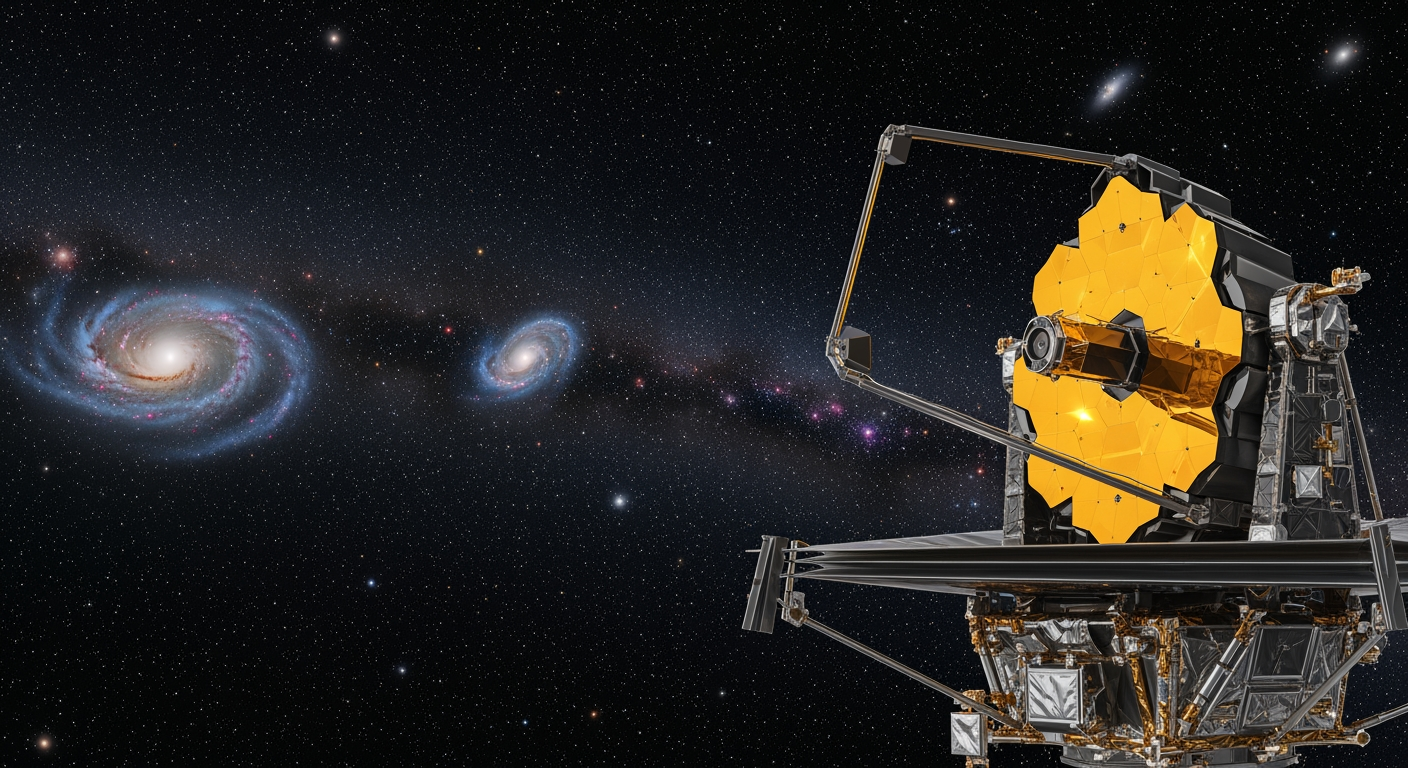
🇺🇸 Implications for Our Understanding of Galaxies
This isn't just about pretty pictures though they are quite something aren't they? By knowing more about star cluster formation patterns scientists adjust their models on galaxy evolution planning missions better predicting future cosmic events maybe even tracking where new star systems might pop up next honestly that's huge for anyone interested in long-term space exploration strategies making informed decisions based on solid data rather than guesswork which let's face it happens too much sometimes.🇪🇸 Implicaciones para Nuestro Entendimiento Galáctico
No se trata solo de imágenes bonitas aunque impresiona verlas verdad Al conocer mejor los patrones de formación de cúmulos estelares los científicos pueden ajustar sus modelos sobre evolución galáctica planificando mejor las misiones prediciendo eventos cósmicos futuros quizá incluso rastreando dónde podrían aparecer nuevos sistemas estelares próximamente sinceramente eso es enorme para quienes estén interesados en estrategias a largo plazo para explorar el espacio tomando decisiones informadas basadas en datos sólidos no suposiciones lo cual admitámoslo pasa demasiado a menudo.
[ Scientific Visual Diagram | Diagrama Visual Científico ]
🇺🇸 What Remains Beyond Our Reach
Yet for all this clarity many questions remain unanswered like why do some regions within M51 produce significantly more massive clusters while others don't at all and what role does dark matter play if any or is there something else entirely guiding this process that we've overlooked so far feels like every answer opens up another set of mysteries don't you think maybe that's why studying space never gets old there's always something lurking beyond what we currently know waiting to be uncovered someday somehow perhaps by another tool yet unimagined.🇪🇸 Lo Que Aún Escapa a Nuestro Alcance
Sin embargo a pesar de toda esta claridad muchas preguntas siguen sin respuesta como por qué algunas regiones dentro del M51 producen cúmulos significativamente más masivos mientras otras no tienen ninguno cuál es el papel del materia oscura si acaso tiene alguno o habrá algún otro factor guiando este proceso que hemos pasado por alto hasta ahora parece como si cada respuesta abre un nuevo conjunto de misterios ¿no crees? Tal vez por eso estudiar el espacio nunca envejece siempre hay algo acechando más allá esperando ser descubierto algún día tal vez con otra herramienta aún inimaginada.
🔗 Related Articles | Artículos Relacionados
OPEN YOUR MIND
Source: Source
Support Open Your Mind
If this article helped you, consider buying me a coffee.
Buy me a coffee
Join the conversation