Seaweed integration boosts efficiency and cuts waste in aquaculture, study finds
Seaweed integration boosts efficiency and cuts waste in aquaculture, study finds
🇺🇸 Seaweed Integration Slashes Waste
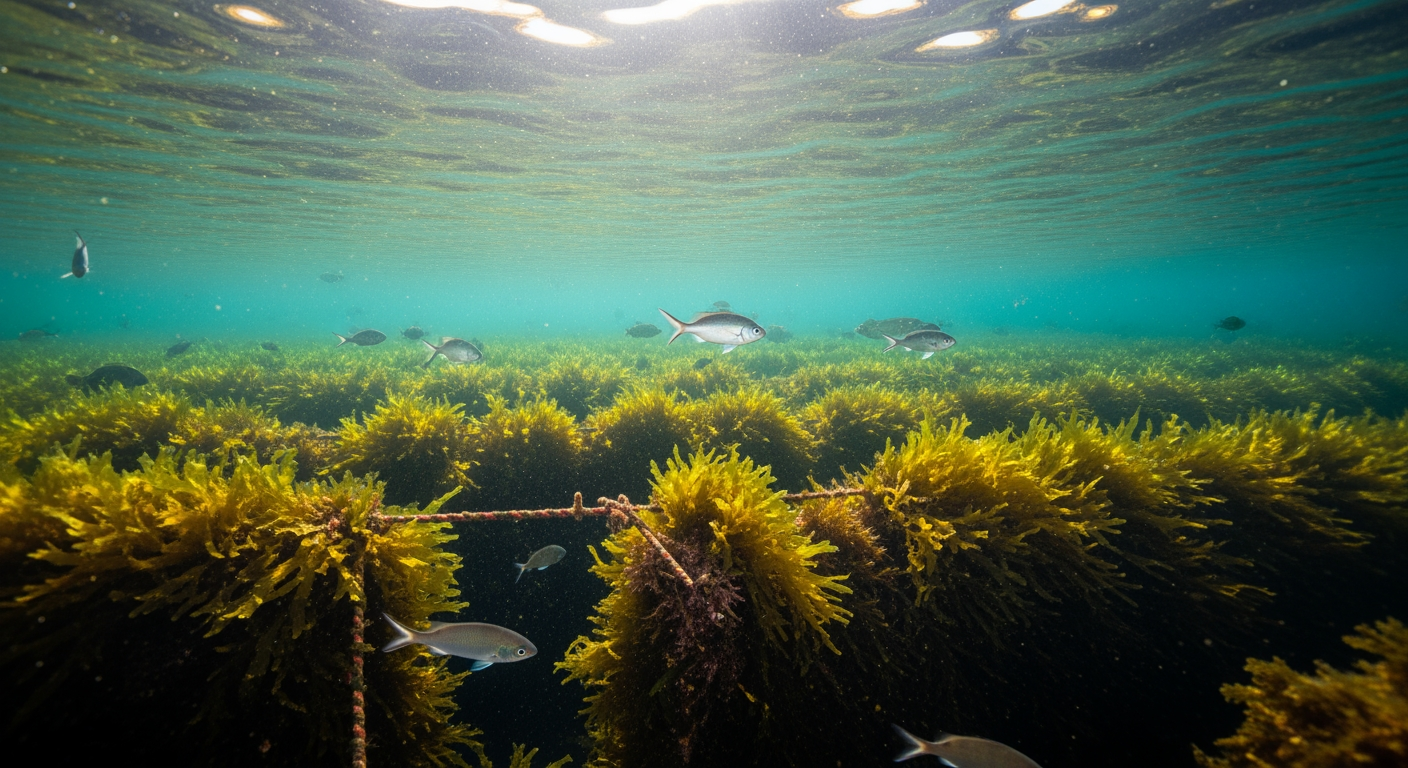
Researchers found something interesting when they started growing seaweed alongside marine finfish. They noticed that the nutrient-rich effluent from the fish farms could actually feed the seaweed. Basically, the waste that comes from farming these fish isn't just waste—it's food for another organism. It can reduce the pollution in the water significantly, sometimes even entirely. That’s big because we're talking about reducing one of the main environmental impacts of traditional fish farming. This setup is called integrated multi-trophic aquaculture or IMTA for short.🇪🇸 Alga marina para reducir desechos
Los investigadores observaron algo curioso al cultivar algas marinas junto con peces en granjas marinas: el agua rica en nutrientes de estas granjas puede alimentar perfectamente a las algas. Así que lo que normalmente sería un desecho contaminante se transforma en alimento para otra especie. Esto tiene un impacto ambiental enorme, reduciendo la contaminación del agua a niveles muy bajos o incluso nulos en algunos casos. Este sistema recibe el nombre de acuicultura multitrofica integrada o IMTA.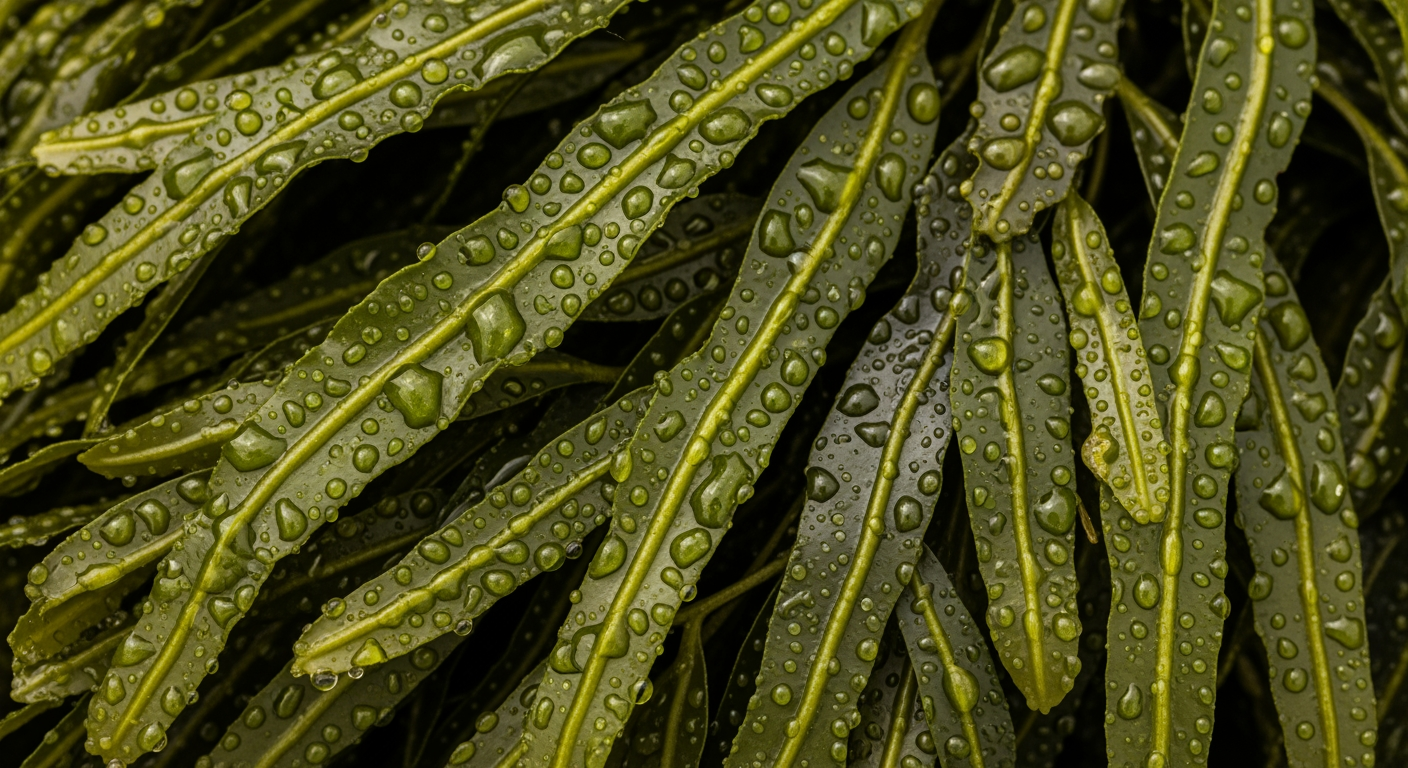
🇺🇸 What We Knew Before
People have known for a while that traditional finfish aquaculture creates waste products like nitrogen and phosphorus compounds. When released into surrounding waters, these substances can cause problems like algal blooms and oxygen depletion which aren't good for marine ecosystems at all. The idea of recycling this waste isn't exactly new either but there were gaps in making it efficient or sustainable enough to get people interested on a larger scale.🇪🇸 Lo que ya sabíamos
Ya es conocido que la acuicultura tradicional de peces genera desechos como compuestos de nitrógeno y fósforo que al entrar en contacto con el medio marino pueden causar problemas graves como proliferación excesiva de algas y falta de oxígeno, perjudicando los ecosistemas acuáticos. La posibilidad de reciclar estos desechos ha estado rondando desde hace tiempo pero nunca se había logrado hacerla eficiente o sostenible lo suficiente como para captar la atención necesaria.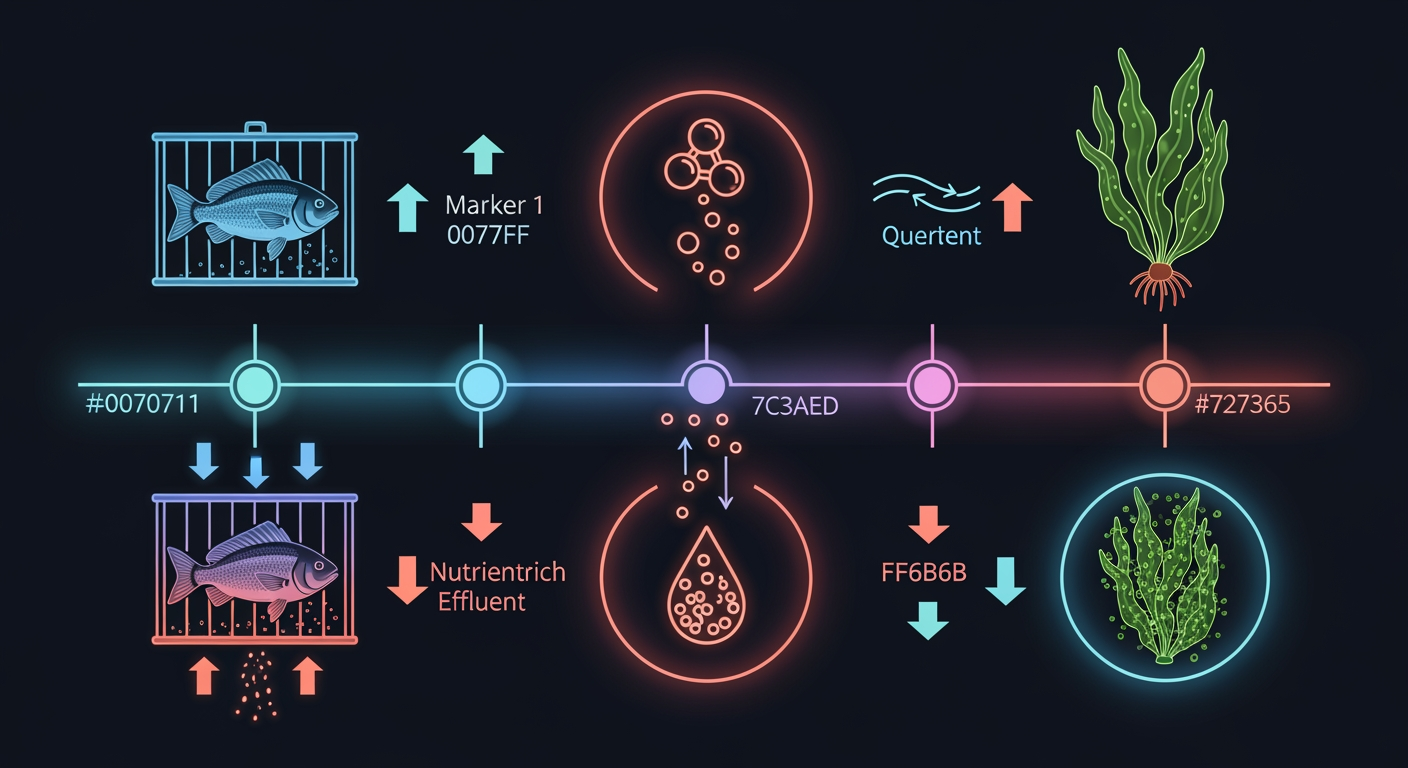
[ Scientific Visual Diagram | Diagrama Visual Científico ]
🇺🇸 How Seaweed Uses It All Up
So how does this work? It's mostly about absorption and filtration. Seaweeds are like little vacuum cleaners in water ecosystems soaking up nutrients that would otherwise foul things up elsewhere in nature—or worse—just sit around uselessly polluting everything… but let's not get too carried away with metaphors here! These plants absorb these compounds through their tissues turning them into biomass usable for other purposes down the line be it biofuel production or even as food supplements.🇪🇸 Cómo las algas lo aprovechan todo
¿Y cómo funciona esto exactamente? Pues va más por absorción y filtración que otra cosa; las algas actúan como pequeñas aspiradoras dentro del ecosistema acuático absorbiendo nutrientes que si no serían problemáticos causando contaminación o simplemente quedándose ahí sin más utilidad... aunque mejor dejamos las metáforas a un lado ¿no? Estas plantas inhalan esos compuestos convirtiéndolos en biomasa aprovechable después ya sea producción bioenergética u otros usos alimenticios.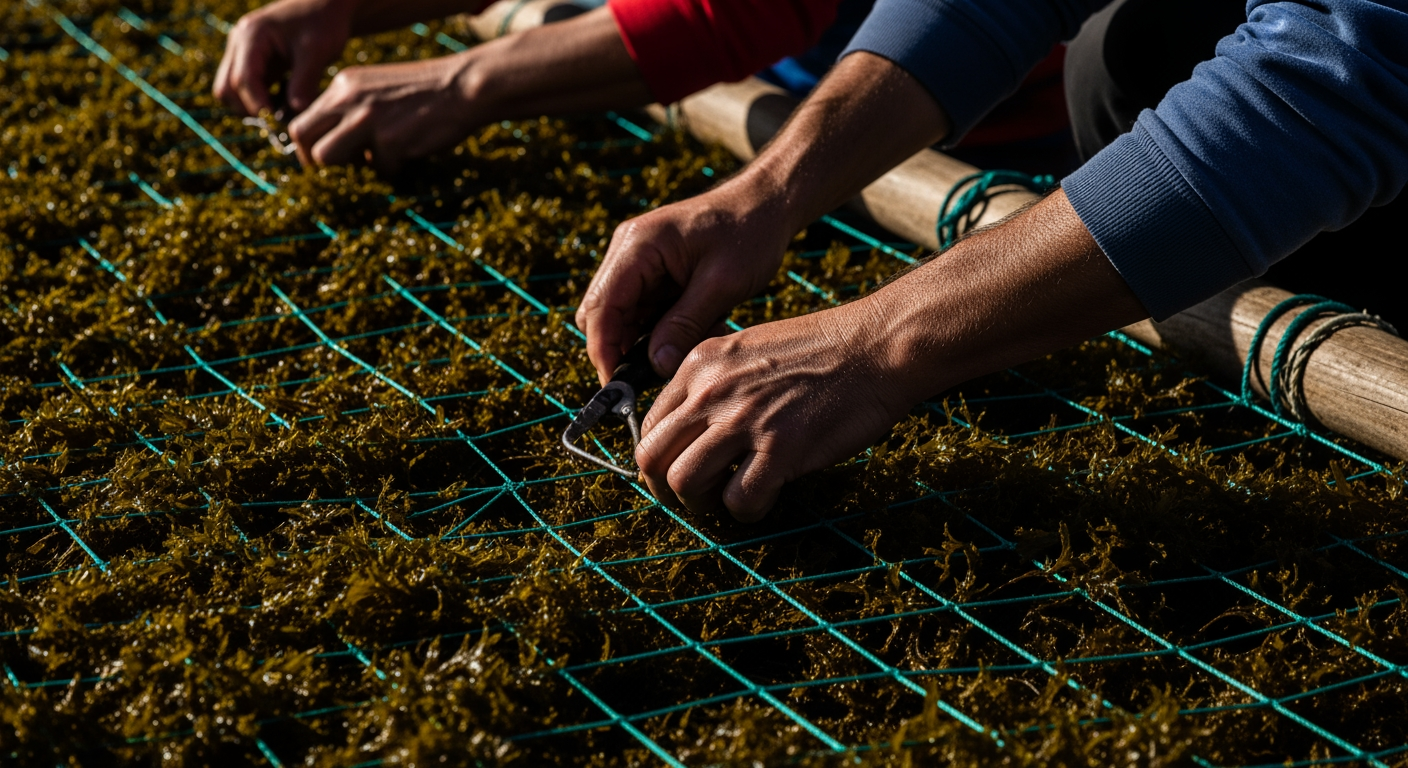
🇺🇸 Impact on Aquaculture Practices Today
This approach changes things in practical ways too—not just theory! Farmers could adopt IMTA systems to create more sustainable operations by lowering their environmental footprint while possibly slashing costs at some point because you’re getting double duty out of your resources now using what used to be considered trash as treasure essentially tangible benefits without overhyping it hopefully🇪🇸 Impacto actual sobre prácticas acuícolas
Lo bueno es su aplicabilidad real no solo teórica; los agricultores podrían adoptar sistemas IMTA para operar sustentablemente bajando su impacto ambiental e incluso recortar costos porque ahora aprovechas recursos antes considerados basura tornándolos valiosos beneficios tangibles sin necesidad exagerar
[ Scientific Visual Diagram | Diagrama Visual Científico ]
🇺🇸 The Mysteries Left Unsolved
Yet with all this cool stuff we still have questions right How scalable is this really across different regions and species Could there be economic downsides nobody's yet spotted And what happens if demand for certain types of seaweed spikes creating an imbalance Nobody has all those answers How deep do you go before finding diminishing returns For now it's an ongoing conversation with lots more pages needing reading than got read today🇪🇸 Misterios aún no resueltos
Sin embargo hay preguntas ciertas dificultades ¿cómo escalar este método eficazmente entre regiones o especies distintas? ¿Podría haber efectos económicos negativos todavía no detectados? ¿Qué pasa si sube demasiado la demanda por ciertas variedades poniendo todo patas arriba Nadie parece tener respuestas definitivas todavía ¿hasta qué punto realmente es eficaz antes perder efectividad En definitiva es una conversación continuada con muchos puntos aún por explorar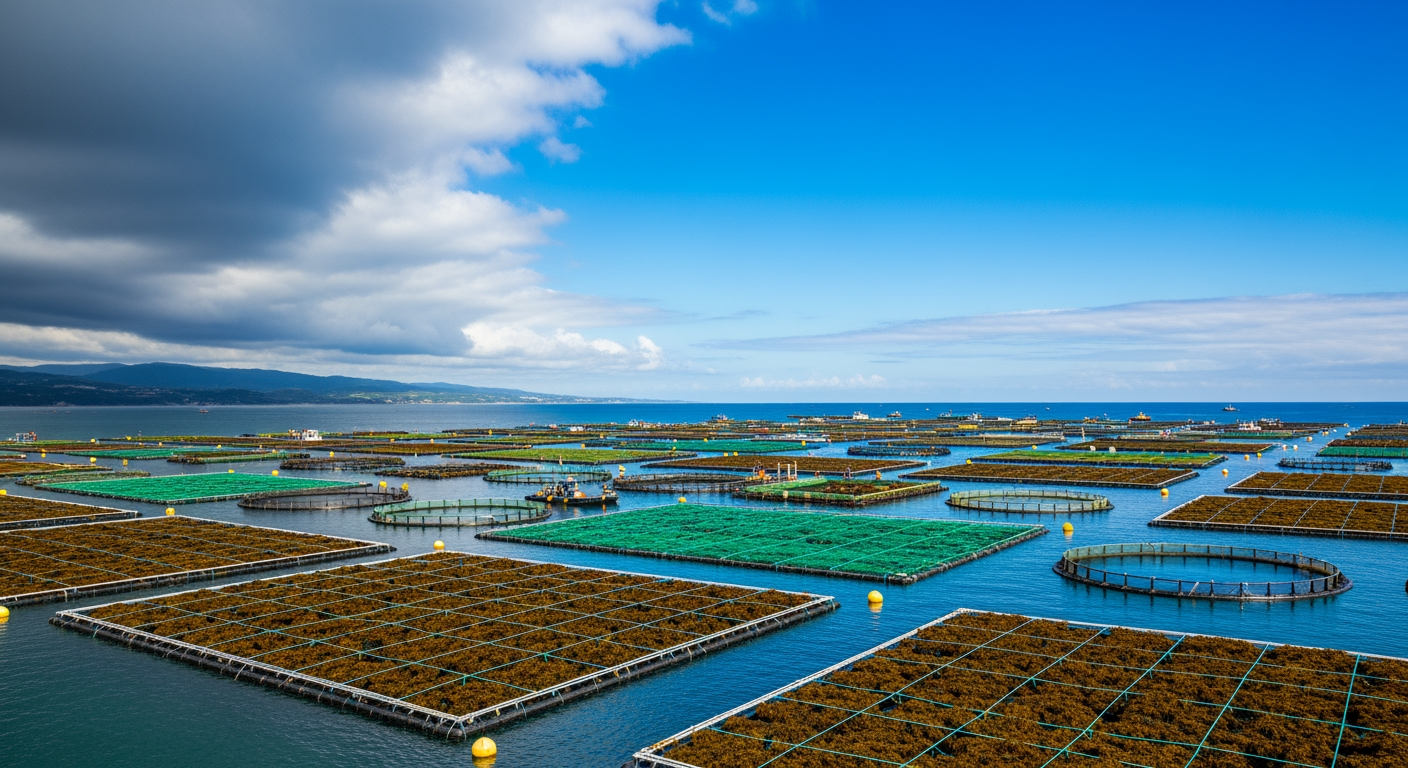
OPEN YOUR MIND
Source: Source
Support Open Your Mind
If this article helped you, consider buying me a coffee.
Buy me a coffee
Join the conversation