Scientists break 30-year superconductivity record at normal pressure
Scientists break 30-year superconductivity record at normal pressure
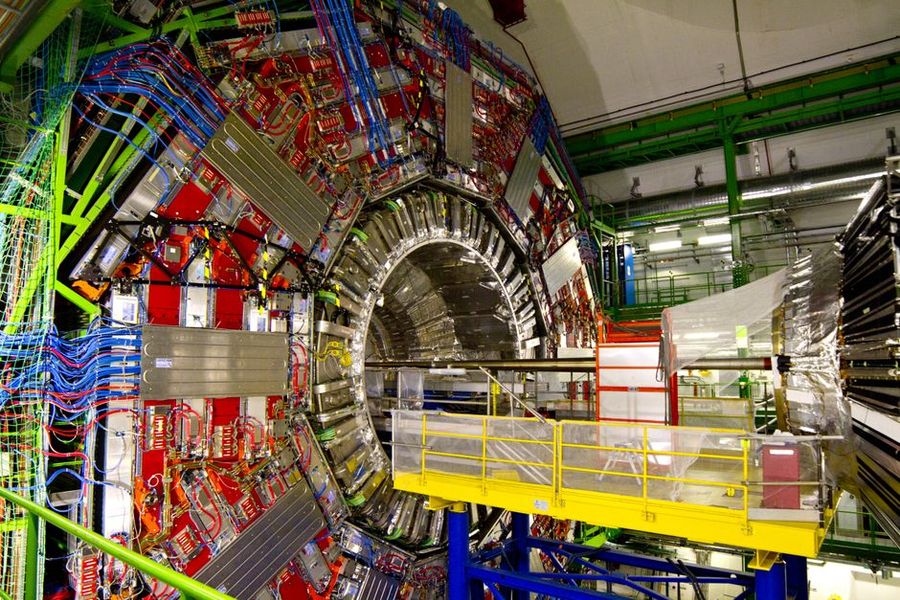
The new superconductive material glows under specialized lighting.
🇺🇸 Breaking a Record in Superconductivity
Scientists at the University of Houston have done something truly impressive. They created a superconducting material that works at 151 Kelvin, breaking a record held for over 30 years. This isn't about cooling materials to near absolute zero anymore. We're talking normal atmospheric pressure here, which makes the discovery pretty wild if you think about it. To get some perspective, liquid nitrogen boils at around 77 Kelvin, so this new material won't need extreme cooling methods like others before it did. But I kept rereading this section because it's difficult to wrap my head around how they actually pulled this off under normal conditions.🇪🇸 Rompieron un Récord de Superconductividad
Lo que hicieron los científicos en la Universidad de Houston es impresionante. Crearon un material superconductor que funciona a 151 Kelvin, rompiendo un récord de más de 30 años. Lo curioso es que esto no requiere presiones extremas ni temperaturas casi al cero absoluto como antes. Este logro se hace aún más notable porque el descubrimiento funciona a presión atmosférica normal. Para ponerlo en perspectiva, el nitrógeno líquido hierve alrededor de los 77 Kelvin; con este nuevo material no se necesitan métodos extremos de enfriamiento como otros materiales anteriores.🇺🇸 Long-standing Knowledge and Context
Superconductivity has been one of those holy grails in physics for ages now. The idea is pretty straightforward — conduct electricity without any resistance or energy loss but doing it has always been the tricky part. Back in the late 1980s and early '90s was when folks managed to achieve high-temperature superconductivity, but still needed crazy pressures or super cold temps to make it happen. Scientists never really stopped trying though because imagine the possibilities if we didn't have these limitations; energy could be transferred more efficiently than ever before across all sorts of devices.🇺🇸 Conocimiento y Contexto Antiguos
La superconductividad ha sido una especie de santo grial en la física por décadas ya. La idea suena sencilla — conducir electricidad sin resistencia ni pérdida energética pero lograrlo siempre ha sido complicado. Por allá en las décadas del ochenta y noventa fue cuando lograron la superconductividad a altas temperaturas pero requerían presiones o temperaturas bastante extremas para lograrlo. Aunque estos impedimentos no detuvieron a los científicos — seguían buscando maneras porque si lo lograran fácilmente imagina las posibilidades para transferir energía eficientemente en todo tipo de dispositivos.🇺🇸 The Mechanical Details Are Tricky
Alright, so let's talk mechanics here though my grasp might slip on some parts of this one since it's quite technical sounding stuff and I'm just your average science enthusiast The material these scientists developed includes rare earth barium copper oxides specifically YBCO compounds known for their interesting electrical properties What happens is when cooled below the critical temperature their atoms line up in such ways that electrical resistance just—poof—disappears A bit mind-boggling especially as they push boundaries doing all this at regular pressures I still don't fully get how🇪🇸 Los Detalles Mecánicos Son Complejos
Pasemos ahora al mecanismo aunque mi entendimiento puede fallar un poco aquí ya que suena muy técnico y soy solo un entusiasta común Estos científicos crearon materiales que incluyen óxidos raros de tierras bario cobre específicamente compuestos YBCO conocidos por sus propiedades eléctricas curiosas Cuando se enfrían por debajo de la temperatura crítica sus átomos se alinean logrando que la resistencia eléctrica simplemente desaparezca Un tanto alucinante sobre todo considerando cómo rompen barreras lográndolo bajo condiciones normales Me cuesta entender completamente cómo lo hacen🇺🇸 Real-world Implications of Their Work
What changes with all this Well consider power grids right now where tons of energy gets lost as heat due to resistance With better superconductors efficiency can shoot up saving loads on costs and potentially lessening our carbon footprints too Hospitals could see MRI machines become cheaper or more accessible And oh transportation magnetically levitated trains could someday run smoother without needing exotic conditions Just remember we're talking gradual change not overnight miracles Still it's exciting stuff🇪🇸 Implicaciones Reales del Trabajo Realizado
¿Qué cambia con este descubrimiento? Piensa en las redes eléctricas actuales donde mucha energía se pierde como calor debido a la resistencia Con mejores materiales superconductores la eficiencia podría aumentar ahorrando costos y potencialmente reduciendo nuestra huella de carbono También hospitales podrían tener máquinas MRI más accesibles o baratas Ah y el transporte trenes magnéticos podrían funcionar mejor sin necesitar condiciones exóticas Solo recuerda esto significa cambios graduales no milagros inmediatos Sin duda emocionante🇺🇸 Still Plenty We Don't Know Yet
Despite hitting new highs there remains an ocean of unknowns like why exactly do certain materials exhibit these properties while others don't Or what other potential temperatures might work given different atmospheric conditions Developing practical applications will depend on answers to questions like these There's also figuring out ways to manufacture such materials at scale Could their discoveries turn into widely used technologies Time will tell but as always science doesn't hand us instant solutions It opens doors waiting for someone curious enough to step through🇪🇸 Aún Queda Mucho Desconocido
Aunque han alcanzado nuevos límites todavía queda mucho por descubrir Como por qué algunos materiales muestran estas propiedades mientras otros no O qué otras temperaturas podrían funcionar bajo distintas condiciones atmosféricas Desarrollar aplicaciones prácticas dependerá de responder preguntas así También toca encontrar formas para fabricar estos materiales a gran escala Podrán convertir sus descubrimientos en tecnologías ampliamente usadas El tiempo dirá pero como siempre pasa con la ciencia no nos dan soluciones instantáneas Solo abre puertas esperando alguien curioso suficiente para cruzarlas🔗 Related Articles | Artículos Relacionados
OPEN YOUR MIND
Source: Source
Support Open Your Mind
If this article helped you, consider buying me a coffee.
Buy me a coffee
Join the conversation