New quantum algorithm solves “impossible” materials problem in seconds
New quantum algorithm solves “impossible” materials problem in seconds
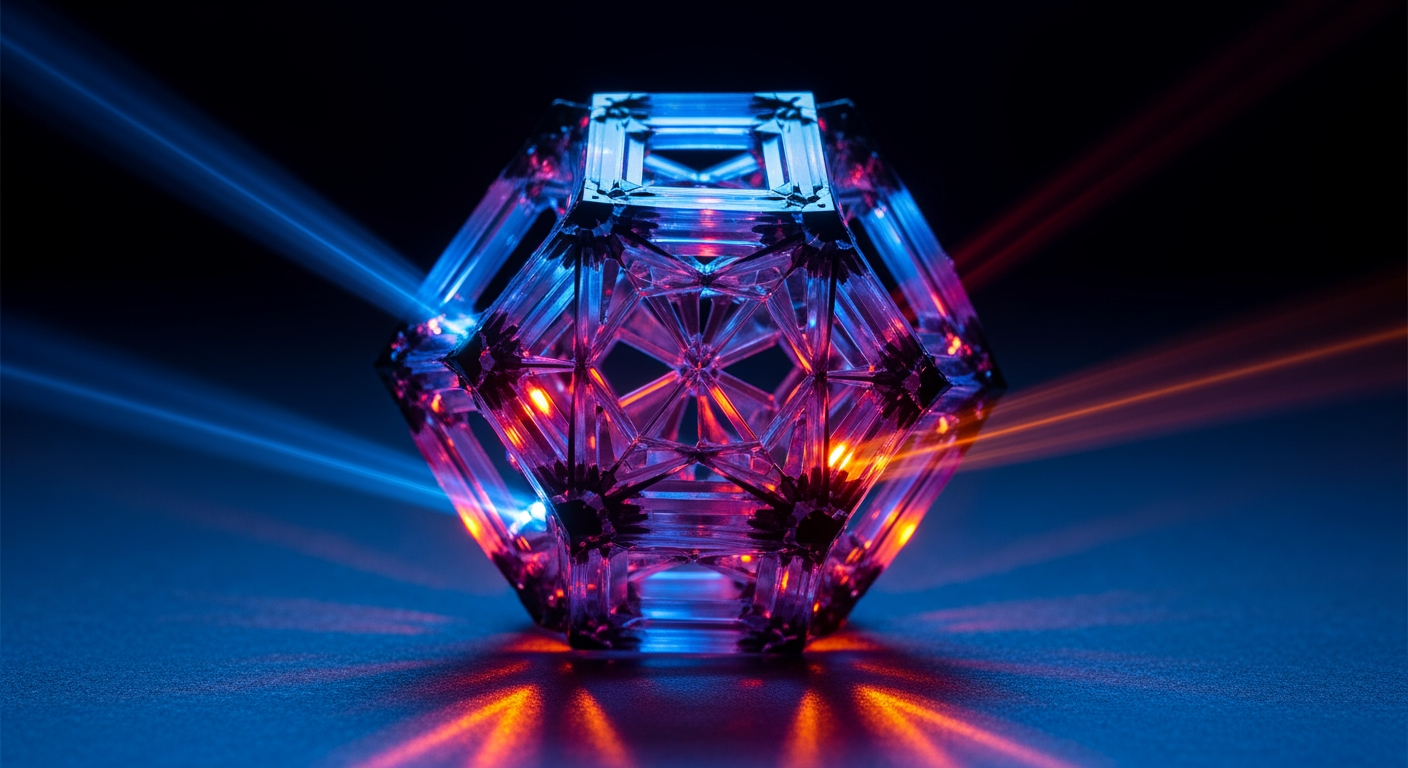
🇺🇸 Quantum Algorithm Breakthrough
A group of scientists has done something wild solving a materials problem that normal computers can't even touch. They used a quantum-inspired algorithm to simulate quasicrystals. These are not your everyday materials; they're incredibly complex and have baffled researchers for ages. This is not some far-off possibility; it happened. So, what does that mean for us? Think new kinds of electronics and quantum devices. The kind you only read about in sci-fi novels but could soon be very real. Imagine devices that work way faster without heating up like crazy.🇪🇸 Nuevo Algoritmo Cuántico para Materiales Complejos
Un grupo de científicos logró algo increíble: resolver un problema de materiales que las computadoras normales ni siquiera pueden tocar. Utilizaron un algoritmo inspirado en la mecánica cuántica para simular cuasicristales, esos materiales tan extraños y complejos que han dejado perplejos a los investigadores durante años. No es una posibilidad remota; ya es una realidad. ¿Qué significa esto para nosotros? Piensa en nuevos tipos de dispositivos electrónicos y cuánticos, como los que solo lees en novelas de ciencia ficción pero que pronto podrían ser reales.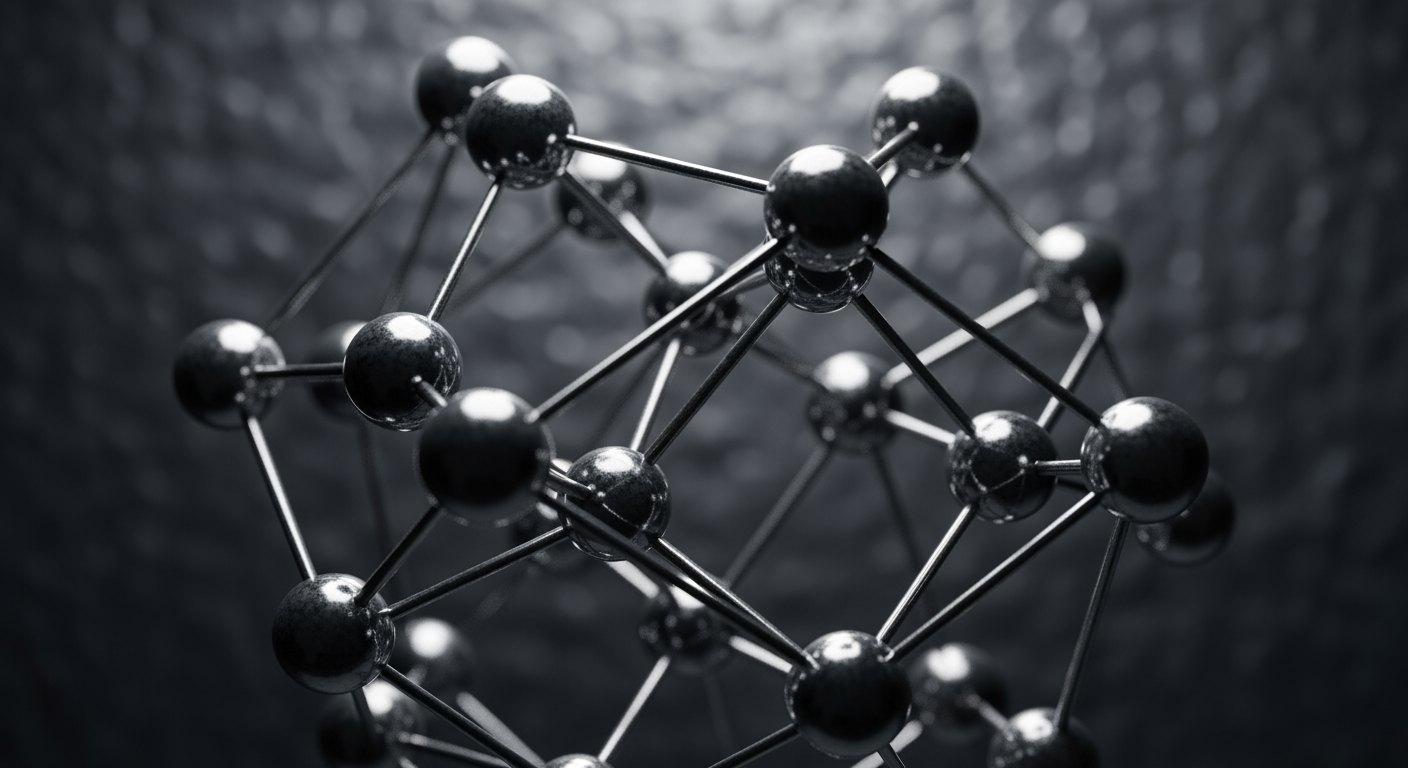
🇺🇸 The Challenge Before the Discovery
Before this breakthrough, supercomputers were hitting walls trying to handle simulations involving quasicrystals due to their complexity. Traditional computers just couldn't deal with the sheer size and intricacy of these calculations effectively. Researchers knew these materials could lead to advanced technology but had no efficient means to study them deeply enough. The need to solve these mind-boggling puzzles seemed almost out of reach until now.🇪🇸 El Desafío Antes del Descubrimiento
Antes de este avance, las supercomputadoras chocaban con pared al intentar simular cuasicristales por su complejidad extrema. Las computadoras tradicionales no podían manejar el tamaño e intrincación de estos cálculos de manera efectiva. Los investigadores sabían que estos materiales podrían llevar a tecnología avanzada pero no tenían medios eficientes para estudiarlos en profundidad. Resolver estos rompecabezas parecía algo casi inalcanzable hasta ahora.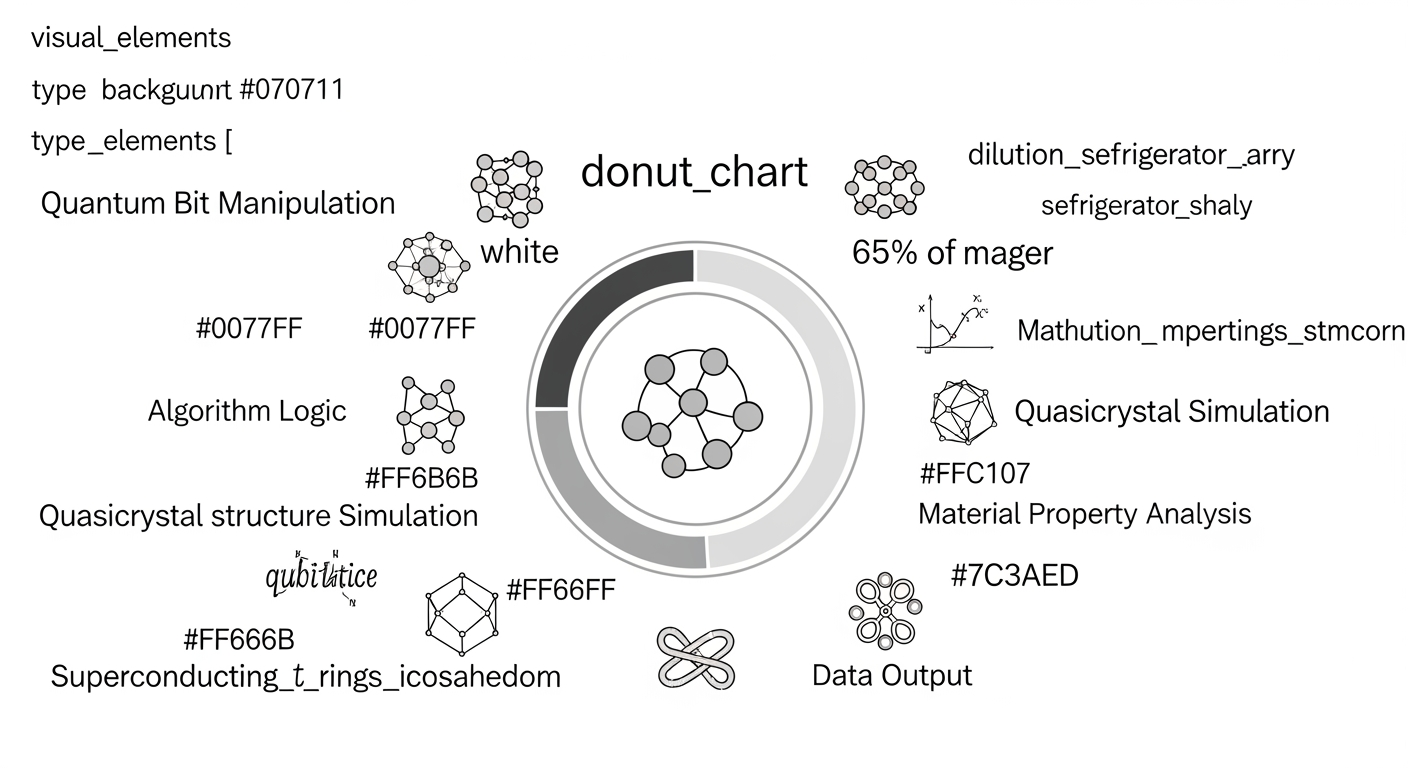
[ Scientific Visual Diagram | Diagrama Visual Científico ]
🇺🇸 Mechanics Behind the Method
The secret sauce here is an algorithm inspired by quantum principles but run on classical hardware. It uses a type of machine learning called tensor networks to handle massive computations quickly without needing an actual quantum computer which still feels like science fiction most days if we're honest about it. Tensor networks essentially break down big problems into smaller bits so each piece is easier to solve before putting everything back together seamlessly or at least that's how it's supposed to go in theory.🇪🇸 Mecánica Detrás del Método
La clave aquí es un algoritmo inspirado en principios cuánticos pero ejecutado en hardware clásico usando redes tensoriales, un tipo de aprendizaje automático que maneja cálculos masivos rápidamente sin necesitar una computadora cuántica real que parece ciencia ficción la mayoría del tiempo si somos sinceros sobre eso. Las redes tensoriales descomponen problemas grandes en partes más pequeñas para hacer cada pieza más fácil de resolver antes de volverlas a unir sin problemas o al menos así debería funcionar en teoría.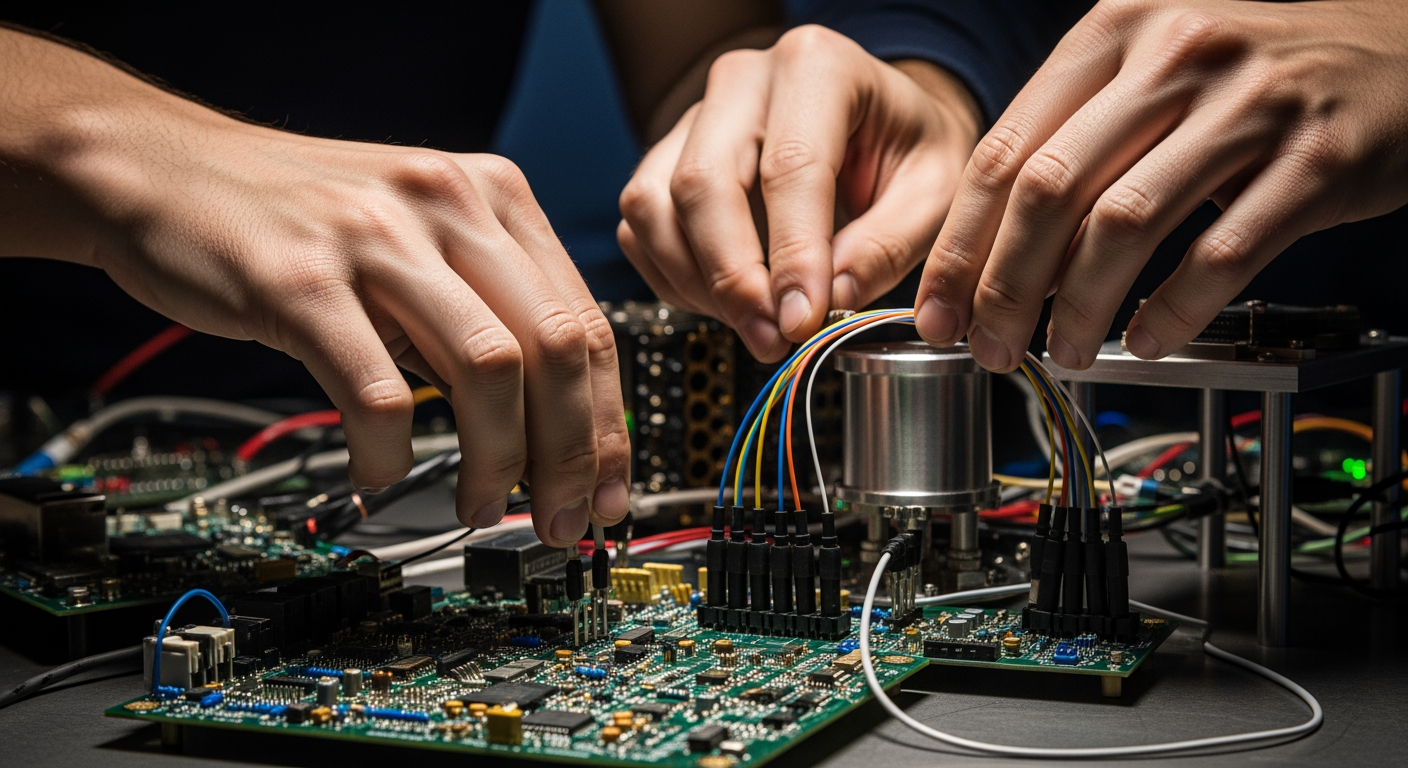
🇺🇸 Impact on Real Life Technology
This work will trickle into our lives through faster electronics and maybe even more energy-efficient devices someday soon or that is the hope anyway as scientists refine this new tool further yet again no promises just possibilities with years between now and when we see them in stores or whatever comes next because retail might look different by then too who knows really But imagine phones with longer battery life or computers running cooler than ever before🇪🇸 Impacto en la Tecnología Cotidiana
Este trabajo influirá nuestras vidas con electrónicos más rápidos y quizás dispositivos más eficientes energéticamente algún día próximamente o al menos esa es la esperanza mientras científicos refinan esta nueva herramienta aún más aunque sin promesas solo posibilidades con años entre ahora y cuando lo veamos en tiendas o lo próximo porque el comercio minorista podría cambiar también quién sabe realmente Pero imagina teléfonos con baterías más duraderas o computadoras funcionando más frescas que nunca antes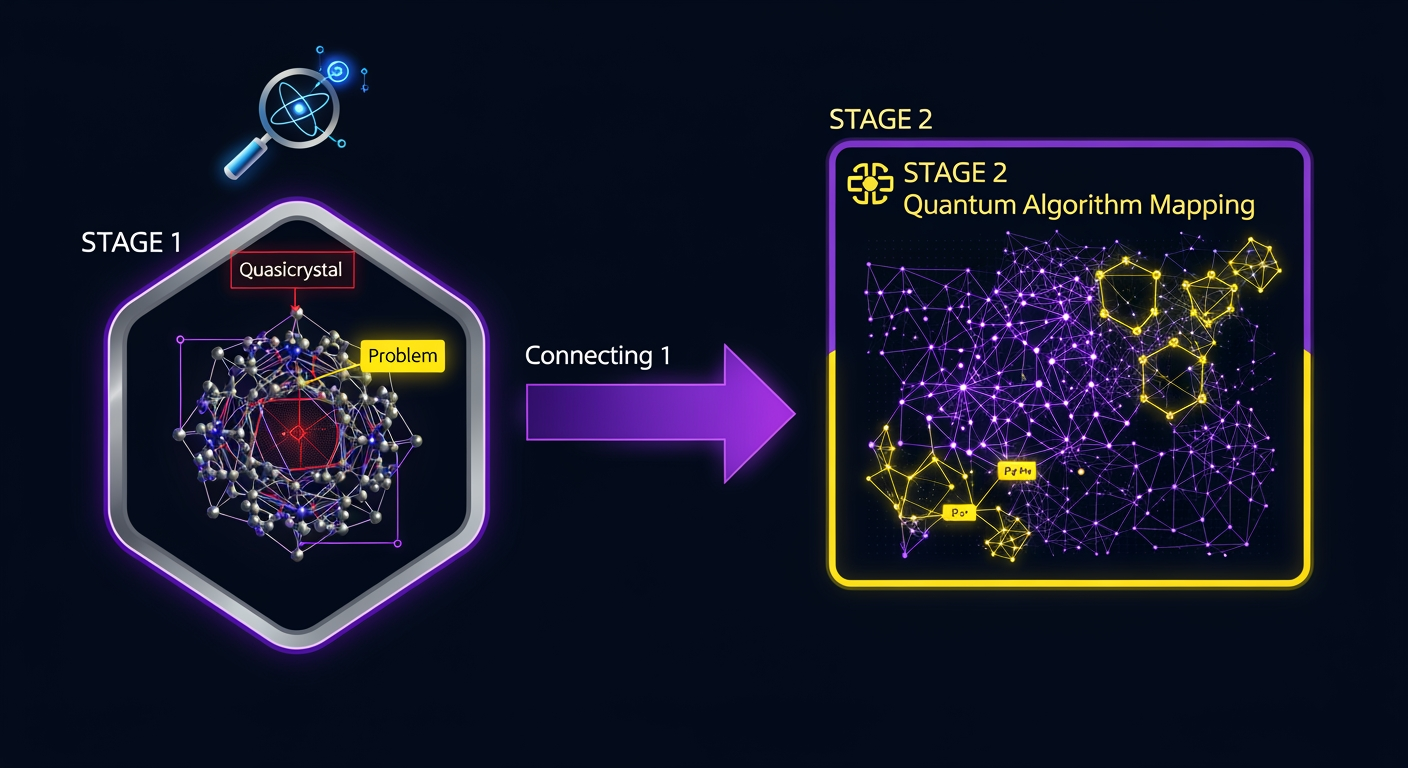
[ Scientific Visual Diagram | Diagrama Visual Científico ]
🇺🇸 What's Still Up in the Air?
Even though this development sounds like magic there's still much left unanswered How exactly does this algorithm perform on other types of complex materials beyond quasicrystals How scalable is it really And can its efficiency match up against future advances in actual quantum computing Those questions linger They remind us that every discovery brings more mysteries waiting right around the corner for someone else curious enough to tackle🇪🇸 ¿Qué Queda por Descubrir?
Aunque este desarrollo suena mágico aún hay muchas preguntas ¿Cómo funciona exactamente este algoritmo con otros tipos de materiales complejos aparte de los cuasicristales Qué tan escalable es realmente Y puede su eficiencia compararse con futuros avances en computación cuántica Esas preguntas persisten Nos recuerdan que cada descubrimiento trae nuevos misterios esperando justo a la vuelta para alguien curioso suficiente como para enfrentarlos
🔗 Related Articles | Artículos Relacionados
OPEN YOUR MIND
Source: Source
Support Open Your Mind
If this article helped you, consider buying me a coffee.
Buy me a coffee
Join the conversation