NASA’s Psyche Mission Captures Mars During Gravity Assist Approach
NASA’s Psyche Mission Captures Mars During Gravity Assist Approach
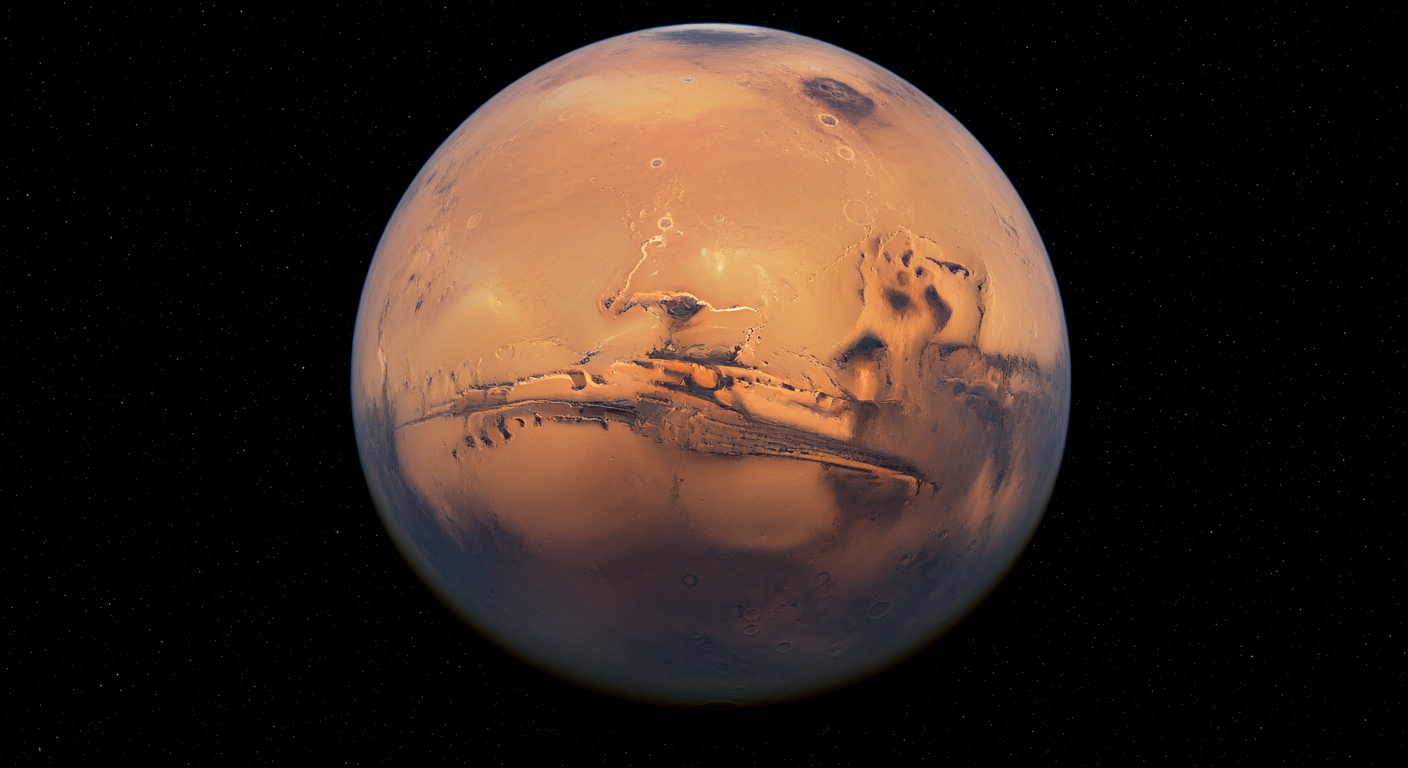
🇺🇸 A Glimpse of Mars
NASA's Psyche mission did something cool. It caught a colorized snapshot of Mars from about 3 million miles away. On May 3, 2026, the spacecraft was just hanging out in space and snapped this photo. The timing is kind of perfect since it's only days before using Mars for a gravity assist on May 15. This maneuver is pretty key because it gives the spacecraft a needed speed boost and adjusts its path toward asteroid Psyche. Why does that matter? Well, catching Mars like this isn't just for fun—it’s part of a bigger plan to hit its target in deep space.🇪🇸 Vistazo al planeta rojo
La misión Psyche de NASA capturó una imagen en color de Marte desde unos 4.8 millones de kilómetros de distancia el 3 de mayo de 2026. La nave espacial estaba sobrevolando el espacio y decidió tomar esta foto justo antes del gran evento del 15 de mayo: usar Marte para un impulso gravitacional. Esta maniobra es fundamental porque acelera la nave y ajusta su trayectoria hacia el asteroide Psyche. ¿Por qué es importante? No es solo por la belleza del planeta rojo; forma parte del plan mayor para alcanzar su objetivo en el espacio profundo.
🇺🇸 Mars as We Knew It
Mars has always fascinated us earthlings with its red hue and tales of potential past life or flowing water—all that stuff we get excited about when thinking of our planetary neighbor. But the concept of using planets for gravitational assists isn't new either. This technique has been around since we first started flinging metal out into space back in the early days when interplanetary voyages were just beginning to be plotted by engineers and dreamers alike.🇪🇸 Marte y nuestra fascinación continua
Los terrícolas siempre hemos estado cautivados por Marte con su tono rojizo y cuentos potenciales de vida pasada o agua fluyendo—todas esas cosas que nos emocionan al pensar en nuestro vecino planetario. Pero tampoco es nueva la idea de utilizar planetas para asistencias gravitacionales. Esta técnica se remonta a cuando empezamos a lanzar metal al espacio allá en los primeros días cuando los viajes interplanetarios apenas se estaban trazando por ingenieros y soñadores por igual.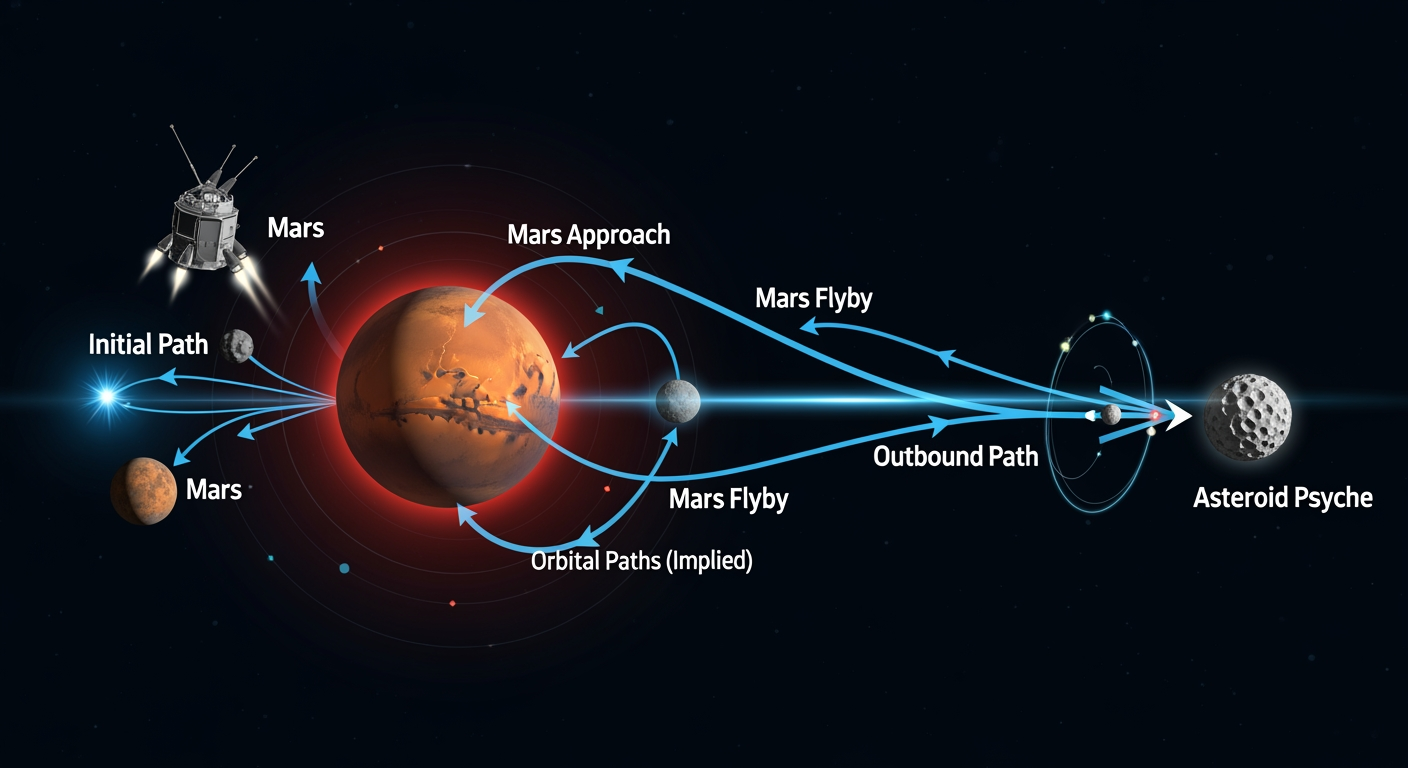
[ Scientific Visual Diagram | Diagrama Visual Científico ]
🇺🇸 Gravity Assist Mechanics
Alright so let us break down how this works without getting too lost in equations or math jargon which I admit is not my strong suit anyway The spacecraft uses the gravitational pull of Mars almost like slingshotting around it It enters with one speed gets wrapped around by gravity increases that speed then zips off on its way to asteroid Psyche It's pretty wild to think about this cosmic dance where everything needs to line up just right🇪🇸 Cómo funciona la asistencia gravitacional
Déjame explicártelo sin meternos demasiado en ecuaciones o jerga matemática que admito no es mi fuerte La nave utiliza la atracción gravitacional de Marte casi como si fuera una honda Entra con cierta velocidad se envuelve con gravedad aumenta esa velocidad luego sale disparada rumbo al asteroide Psyche Es increíble pensar en este baile cósmico donde todo debe alinearse perfectamente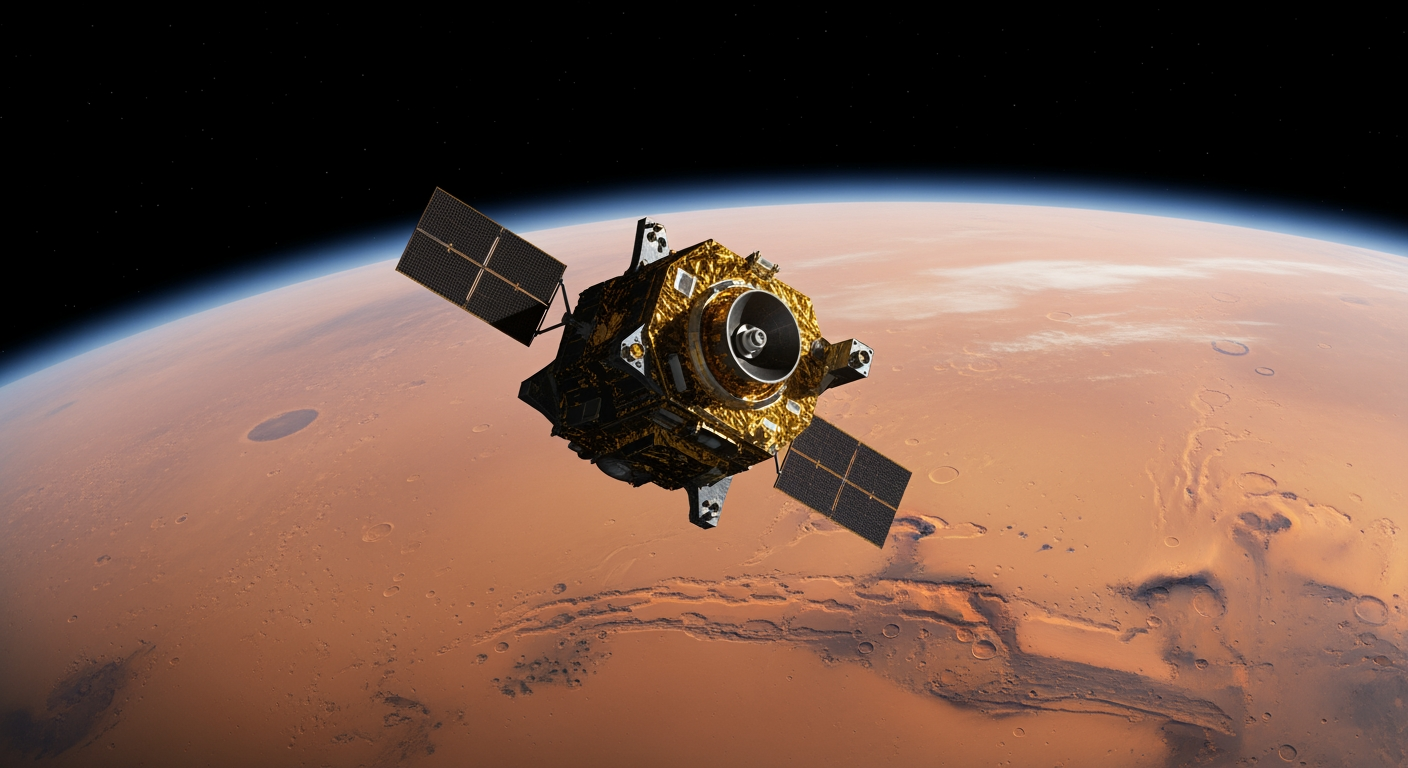
🇺🇸 Impact Here on Earth
What changes back here for us on Earth with all this happening millions of miles away Is there any real effect Well not directly but missions like these pave the way for future asteroid mining or even planetary defense strategies Kind of laying groundwork if you think about it And who knows maybe someday those resources mined from an asteroid help build our next set of wonder gadgets Not immediate but imagine generations later🇪🇸 Consecuencias aquí en la Tierra
¿Qué cambia para nosotros aquí en la Tierra con todo esto sucediendo millones de millas lejos? ¿Tiene algún efecto real? Bueno no directamente pero misiones como estas preparan el camino para futuras estrategias como minería de asteroides o defensa planetaria En cierto modo están sentando las bases Y quién sabe tal vez algún día esos recursos extraídos ayuden a construir nuestros próximos gadgets maravillosos No inmediato pero imagina generaciones después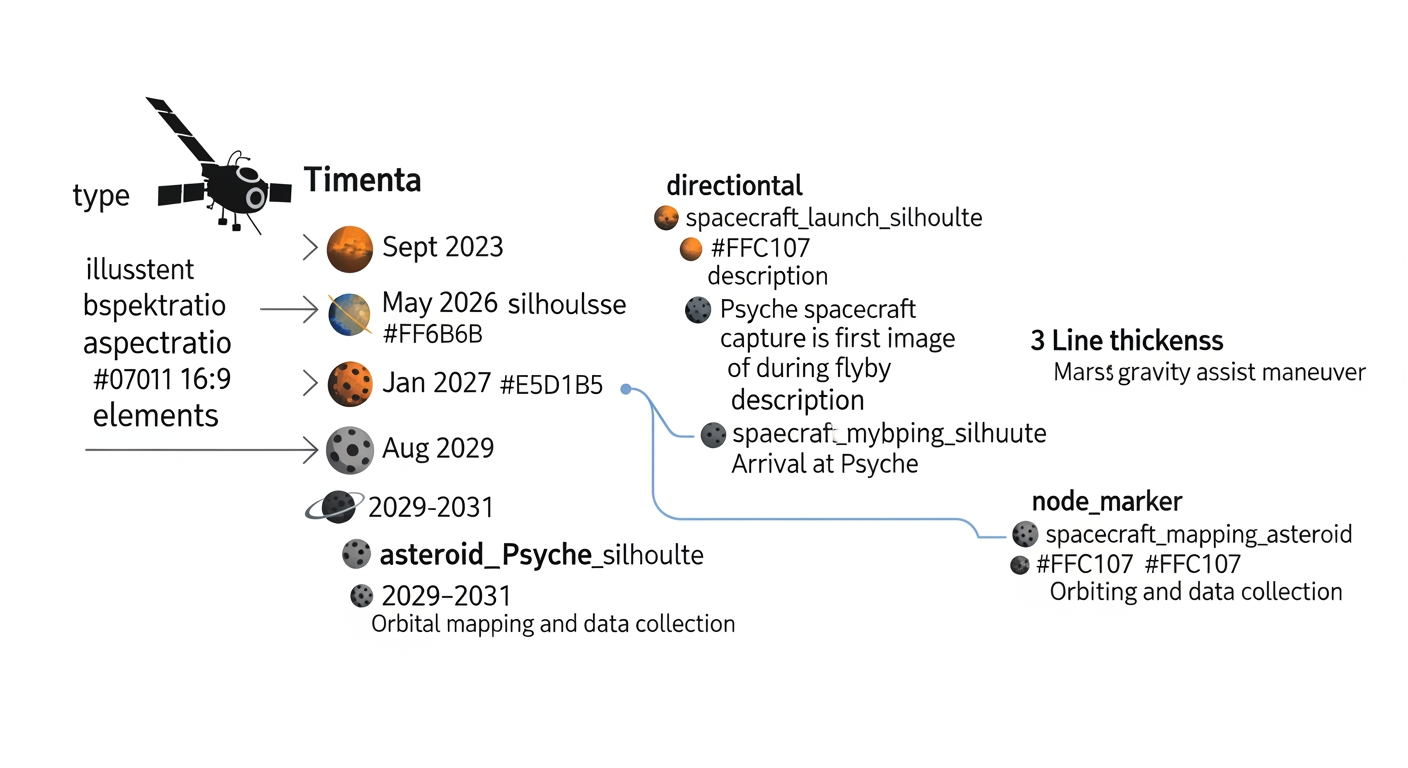
[ Scientific Visual Diagram | Diagrama Visual Científico ]
🇺🇸 What We Do Not Know Yet
There is still so much unanswered despite all these technological leaps How will these maneuvers evolve Will they be reliable enough for long-term human missions What unexpected variables might pop up during such deep-space adventures There are definitely open questions hanging in the air which makes each new mission both exciting and nerve-wracking Keeps pushing science forward though but yeah lots left unknown🇪🇸 Lo que aún no sabemos
Todavía hay tanto sin responder pese a todos estos avances tecnológicos Cómo evolucionarán estas maniobras Serán lo suficientemente fiables para misiones humanas a largo plazo Qué variables inesperadas podrían surgir durante tales aventuras espaciales Hay definitivamente preguntas abiertas que nos mantienen tanto emocionados como nerviosos Cada nueva misión sigue empujando la ciencia hacia adelante pero sí queda mucho por descubrir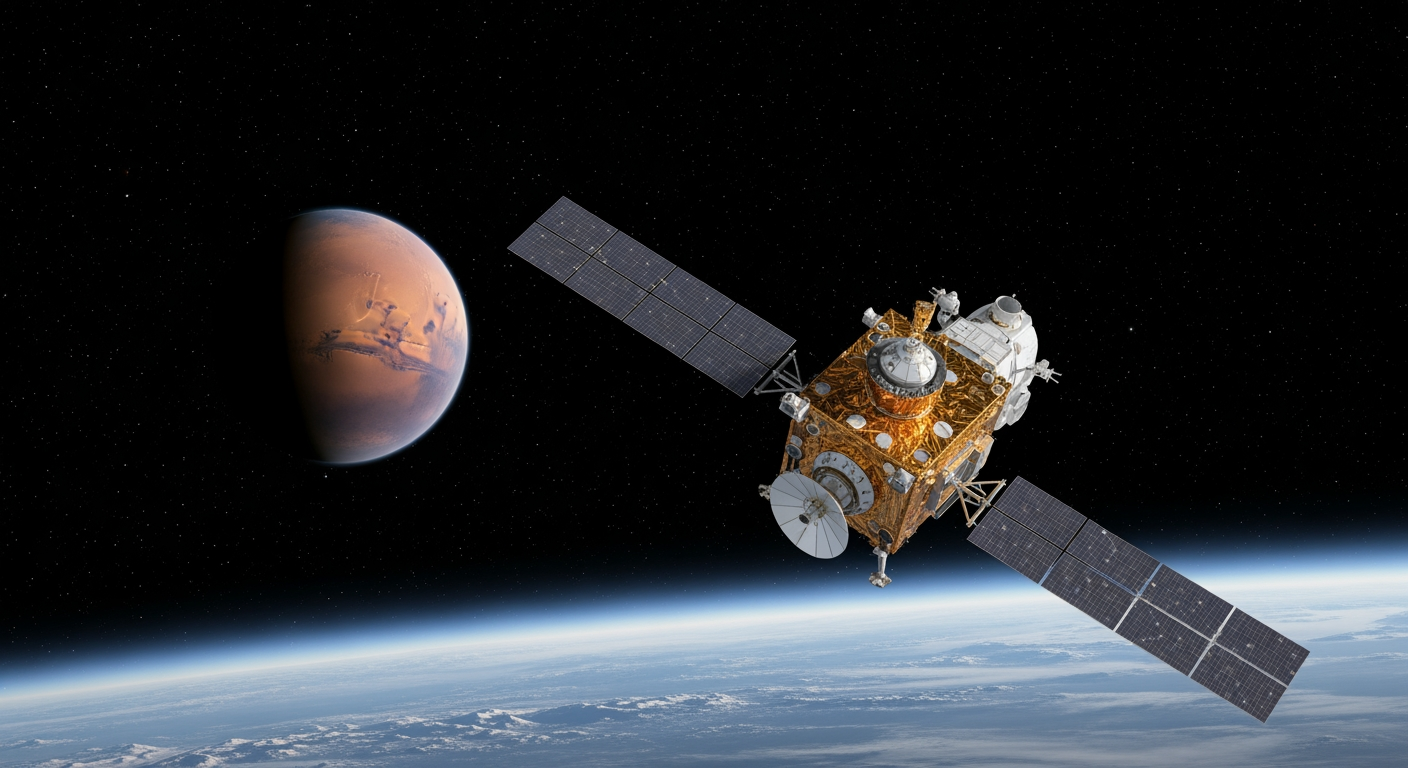
🔗 Related Articles | Artículos Relacionados
OPEN YOUR MIND
Source: Source
Support Open Your Mind
If this article helped you, consider buying me a coffee.
Buy me a coffee
Join the conversation