Molecular spin sensor takes the temperature of cancer cells
Molecular spin sensor takes the temperature of cancer cells
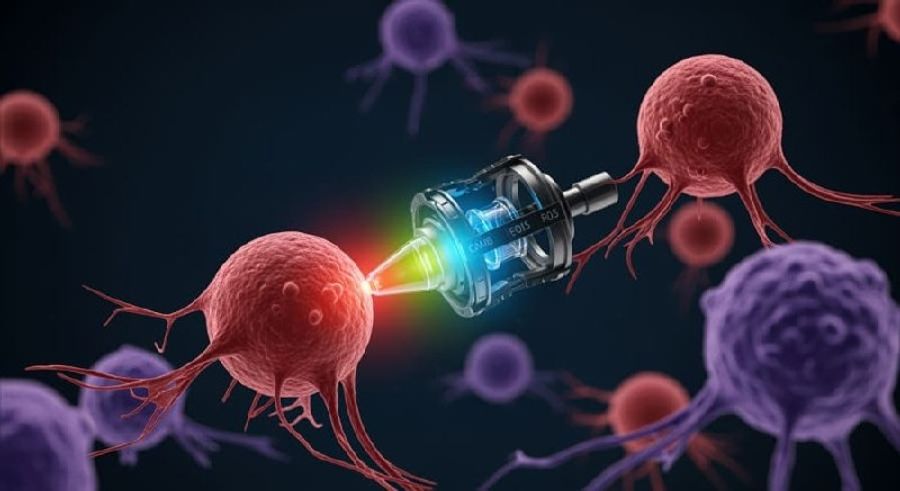
The molecular spin sensor interacts with cancer cells.
🇺🇸 A New Class of Quantum Nanosensor
Scientists in Japan have unveiled a quantum nanosensor that can measure the temperature within cancer cells. This is wild. Imagine being able to take the temperature of something so tiny and specific. This new class of sensor uses molecular spin to interact with cancer cells, revealing their thermal state without disturbing them. The sensor itself is biocompatible, which means it can work safely inside living bodies—like espionage but for good reasons. Scientists are pretty excited about what this might mean for future diagnostics and treatments. They hope this tech can lead to more precise therapies by giving doctors real-time information about what is happening deep inside tumors.🇪🇸 Una clase nueva de nanosensores cuánticos
Unos científicos en Japón revelaron un nanosensor cuántico capaz de medir la temperatura dentro de las células cancerosas. Suena loco, pero es real. Imagina poder tomar la temperatura de algo tan pequeño y específico sin alterarlo. Este sensor utiliza el giro molecular para interactuar con las células cancerosas y mostrar su estado térmico sin molestarlas en lo más mínimo. Además es biocompatible, así que funciona sin problemas dentro del cuerpo humano, como si fuera un espía bueno. Los investigadores creen que este avance podría ayudar a tratamientos más precisos al dar información en tiempo real sobre lo que ocurre en los tumores.🇺🇸 The Known Science Before Now
Before this development, temperature measurement within cells was already a thing—but not like this. Traditional methods often involved external probes or dyes that could interfere with cellular processes, complicating results sometimes annoyingly so. Some researchers had been using infrared thermography or fluorescence-based techniques but these were limited by depth issues or required invasive procedures that nobody likes really in practice because who wants something stuck inside them Seriously though the medical community has been searching for non-invasive ways to get accurate data on cellular states without disrupting the natural order too much.🇪🇸 Lo que ya se sabía antes
Antes de este descubrimiento medir la temperatura dentro de las células ya era posible pero no así exactamente Las técnicas tradicionales solían usar sondas externas o tintes que podían alterar procesos celulares haciendo los resultados menos fiables A veces los científicos utilizaban termografía infrarroja o técnicas basadas en fluorescencia pero estas tenían sus problemas con la profundidad o necesitaban procedimientos invasivos No eran lo ideal claro La comunidad médica llevaba tiempo buscando maneras no invasivas para obtener datos exactos sobre el estado celular sin perturbar demasiado el orden natural🇺🇸 Mechanics of Molecular Spin Sensors
Here comes the tricky bit How does it actually work Well these sensors exploit the concept of molecular spin which involves manipulating quantum states Does your brain hurt yet Mine kind of does In simpler terms they use magnetic fields to control how molecules behave at the atomic level The sensor gets placed near or inside the cell where it reads changes in spin which relate directly to temperature differences It is like listening in on an invisible conversation between atoms These sensors make use of nitrogen-vacancy centers in diamonds yes diamonds which are incredibly sensitive and tiny making them perfect candidates for such work🇪🇸 El mecanismo detrás del sensor
Vamos a lo complicado Cómo funciona realmente Estos sensores aprovechan el concepto de giro molecular manipulando estados cuánticos Te duele la cabeza ya A mí un poco En palabras simples usan campos magnéticos para controlar cómo se comportan las moléculas a nivel atómico El sensor se coloca cerca o dentro de la célula donde mide cambios en el giro relacionados directamente con diferencias térmicas Es como escuchar una conversación invisible entre átomos Estos sensores usan centros vacantes de nitrógeno en diamantes sí diamantes son increíblemente sensibles y pequeños perfectos para este tipo de trabajo🇺🇸 Impact on Real People With Cancer
So what does all this science mean for people who actually have cancer Patients could potentially benefit from more precise treatment plans based on detailed thermal profiles from within their own tumors No more one-size-fits-all approach Doctors might adjust therapies according to the specific needs revealed by these sensors It could mean catching problematic areas earlier before symptoms even show up But let's not get carried away We're not talking immediate hospital rollouts here Research still needs time Clinical trials are essential before we see widespread usage Just saying don't expect this at your next oncology appointment quite yet🇪🇸 Impacto en personas con cáncer
Y todo este avance científico qué significa para quienes tienen cáncer Los pacientes podrían beneficiarse con planes de tratamiento más precisos basados en perfiles térmicos detallados desde sus propios tumores Adiós al método único para todos Los médicos podrían ajustar terapias según las necesidades específicas que revelen estos sensores Podría significar detectar áreas problemáticas más temprano incluso antes de mostrar síntomas Pero calma No estamos hablando todavía de implementaciones inmediatas Hace falta más investigación Se necesitan ensayos clínicos antes de ver un uso generalizado Así que no esperes esto en tu próxima cita oncológica aún falta tiempo🇺🇸 Questions That Still Need Answers
Okay let's be honest there is still stuff we do not know Will these sensors be affordable enough for wide adoption Can they scale up for different types of cancers Will regulators approve them soon There is uncertainty around how well they will integrate into existing medical frameworks Plus we have never tried anything like this at such a scale before I kept rereading that part What happens when things go wrong If something interferes with those delicate quantum states you could get false readings Maybe even unexpected interactions with other treatments So yeah big questions remain hanging over all this exciting tech development🇪🇸 Preguntas sin respuesta aún
Seamos sinceros todavía hay cosas que no sabemos Serán estos sensores asequibles para adopciones masivas Podrán escalarse para diferentes tipos de cáncer Los regularán pronto Hay incertidumbre sobre cómo se integrarán bien en los marcos médicos actuales Además nunca hemos intentado algo así a esta escala Queda esa duda Qué pasa cuando algo sale mal Si algo interfiere con esos delicados estados cuánticos podrías obtener lecturas falsas Incluso interacciones inesperadas con otros tratamientos Así que sí hay grandes preguntas pendientes sobre todo este desarrollo tecnológico emocionante🔗 Related Articles | Artículos Relacionados
OPEN YOUR MIND
Source: Source
Support Open Your Mind
If this article helped you, consider buying me a coffee.
Buy me a coffee
Join the conversation