How a repurposed medical device is helping us investigate ancient climate tipping points
How a repurposed medical device is helping us investigate ancient climate tipping points
🇺🇸 Unexpected Use of a Medical Device
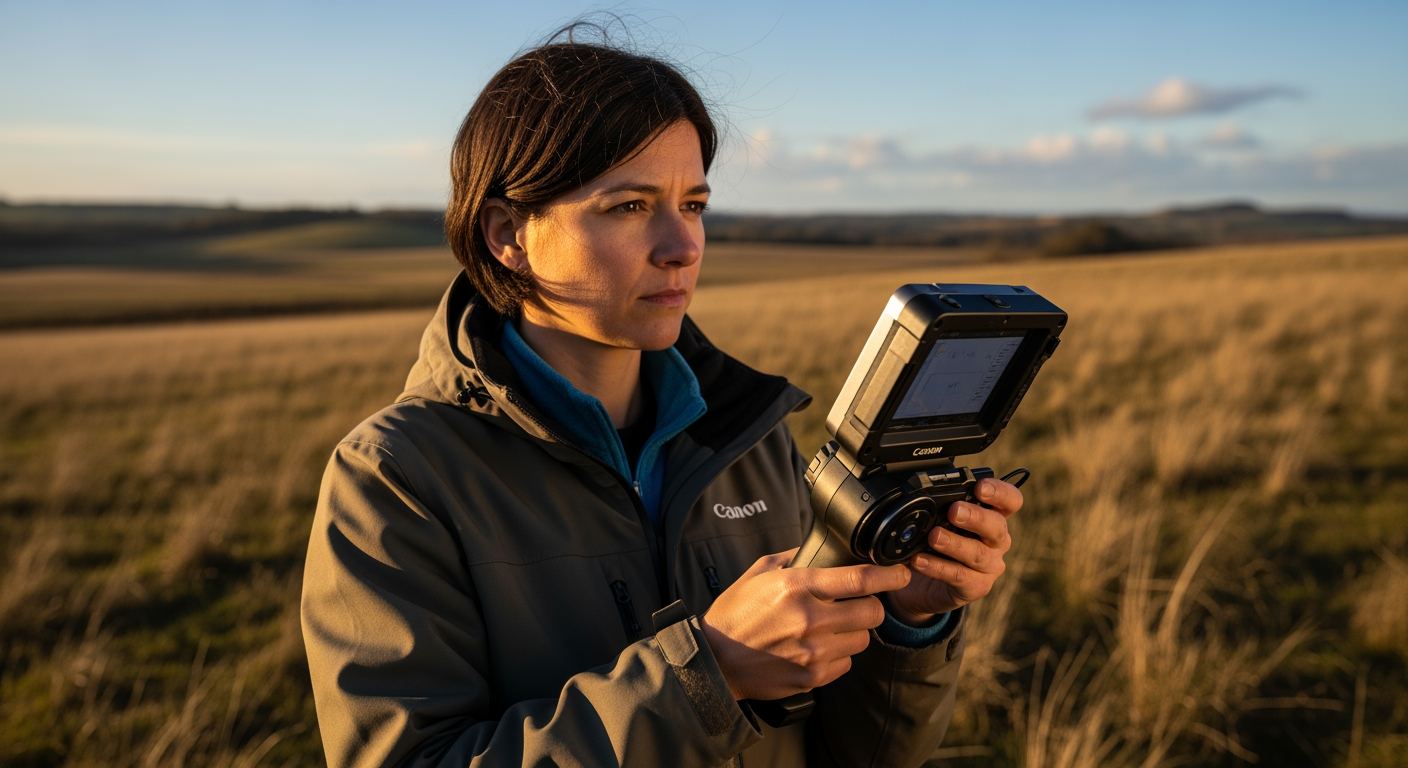
Archaeologists and climate scientists have borrowed something from the medical world. An old blood analyzer, not much loved in its heyday, has found new life. It is being used to break down ancient ice cores. These cores are like time capsules holding secrets of past climates. The analyzer helps count and identify countless microscopic particles trapped in these layers of ice. This is crucial for understanding when the Earth's climate flipped on its head suddenly. If you ever tried counting grains of sand on a beach, then you might know how it feels to sift through these samples by hand.🇪🇸 Un dispositivo médico revive en la ciencia del clima
Un antiguo analizador de sangre, que no tuvo mucho uso en su momento de auge, ahora es protagonista en un ámbito distinto. Se usa para descomponer núcleos de hielo antiguo recogidos por arqueólogos y científicos del clima. Estas muestras son como cápsulas del tiempo que revelan secretos sobre climas pasados. Este dispositivo ayuda a contar e identificar partículas microscópicas atrapadas allí desde hace milenios. Esto es fundamental para entender cuándo el clima de la Tierra cambió drásticamente sin previo aviso. Imagínate tener que contar las hojas caídas en un bosque: esto es lo que enfrentan los investigadores con estas muestras.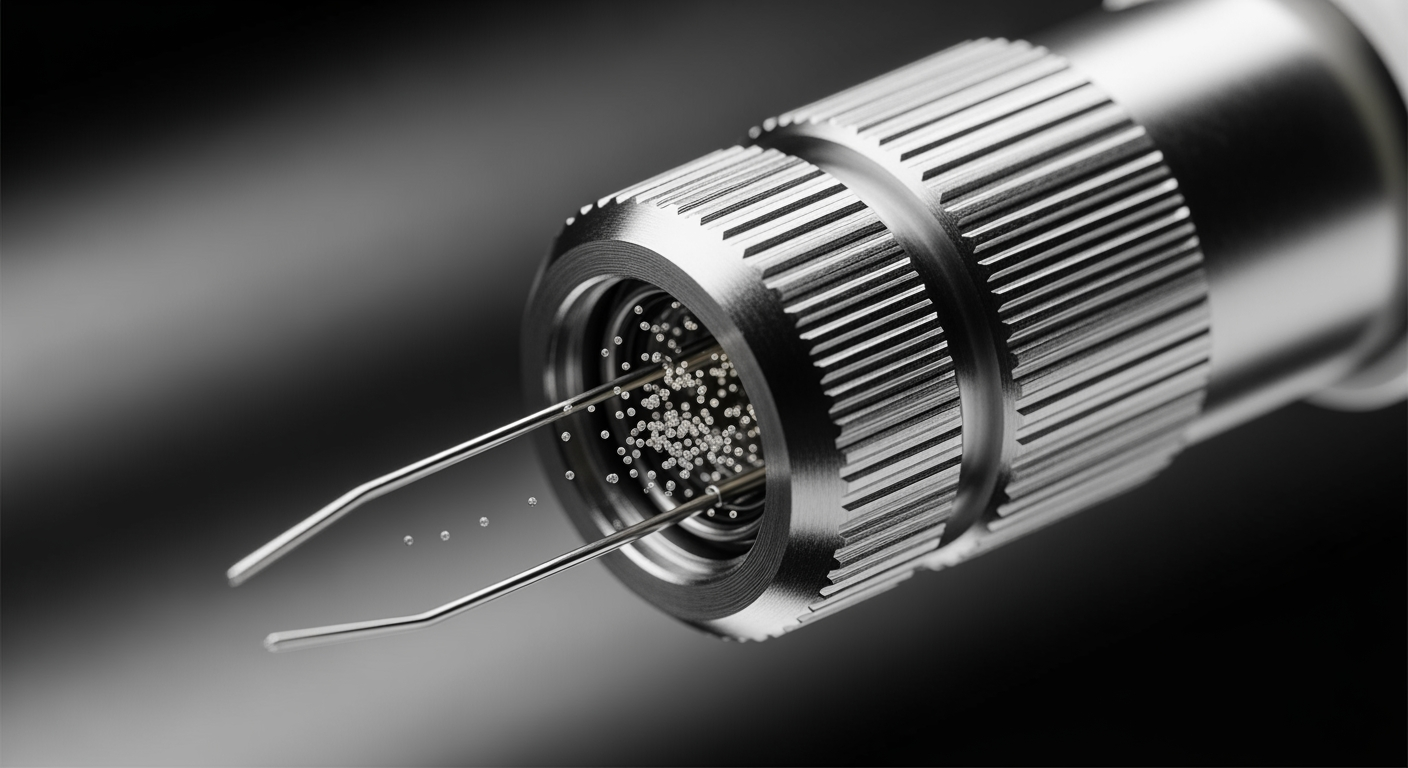
🇺🇸 Old Knowledge: Piecing Together Climate Jigsaw Puzzles
Scientists already knew that Earth's climate has shifted dramatically in the past. Ice ages come and go like clockwork over thousands of years due to small changes in Earth's orbit and tilt toward the Sun. But within those cycles, things can change rapidly too, often without warning signs we can predict with our current models. Understanding why these tipping points happen is hugely important for seeing what might be coming our way now as the planet heats up again at an alarming pace.🇪🇸 Lo conocido: armar rompecabezas climáticos del pasado
Ya se sabía que el clima de la Tierra ha cambiado dramáticamente antes debido a pequeños cambios en la órbita terrestre y su inclinación hacia el Sol provocando eras de hielo y periodos más cálidos cíclicos durante miles de años Pero dentro de esos ciclos más grandes también ocurren cambios rápidos difíciles de predecir con modelos existentes Saber por qué suceden estos puntos críticos es vital para anticipar futuros eventos climáticos ahora que el calentamiento global va acelerado como nunca antes
[ Scientific Visual Diagram | Diagrama Visual Científico ]
🇺🇸 How It All Works: A Mechanical Insight
The device in question works by using lasers to scan tiny samples with great precision breaking them apart layer by layer This allows scientists to identify different types of particles based on size shape and composition Think of it like peeling an onion but instead of tears you get data about volcanic eruptions or periods where dust storms were prevalent There are several inner workings here involving optics sensors even some tricky chemistry but who really knows if we have got it all figured out just yet🇪🇸 Cómo funciona: Un vistazo mecánico
El aparato utiliza láseres para examinar pequeñas muestras con gran precisión descomponiéndolas capa por capa Permitió detectar tipos diferentes de partículas según tamaño forma y composición Es como pelar una cebolla pero en lugar de lágrimas obtienes datos sobre erupciones volcánicas o épocas donde las tormentas de polvo fueron comunes Dentro hay óptica sensores incluso algo complejo químicamente Haciendo todo esto no podemos decir con certeza si realmente entendemos cada detalle técnico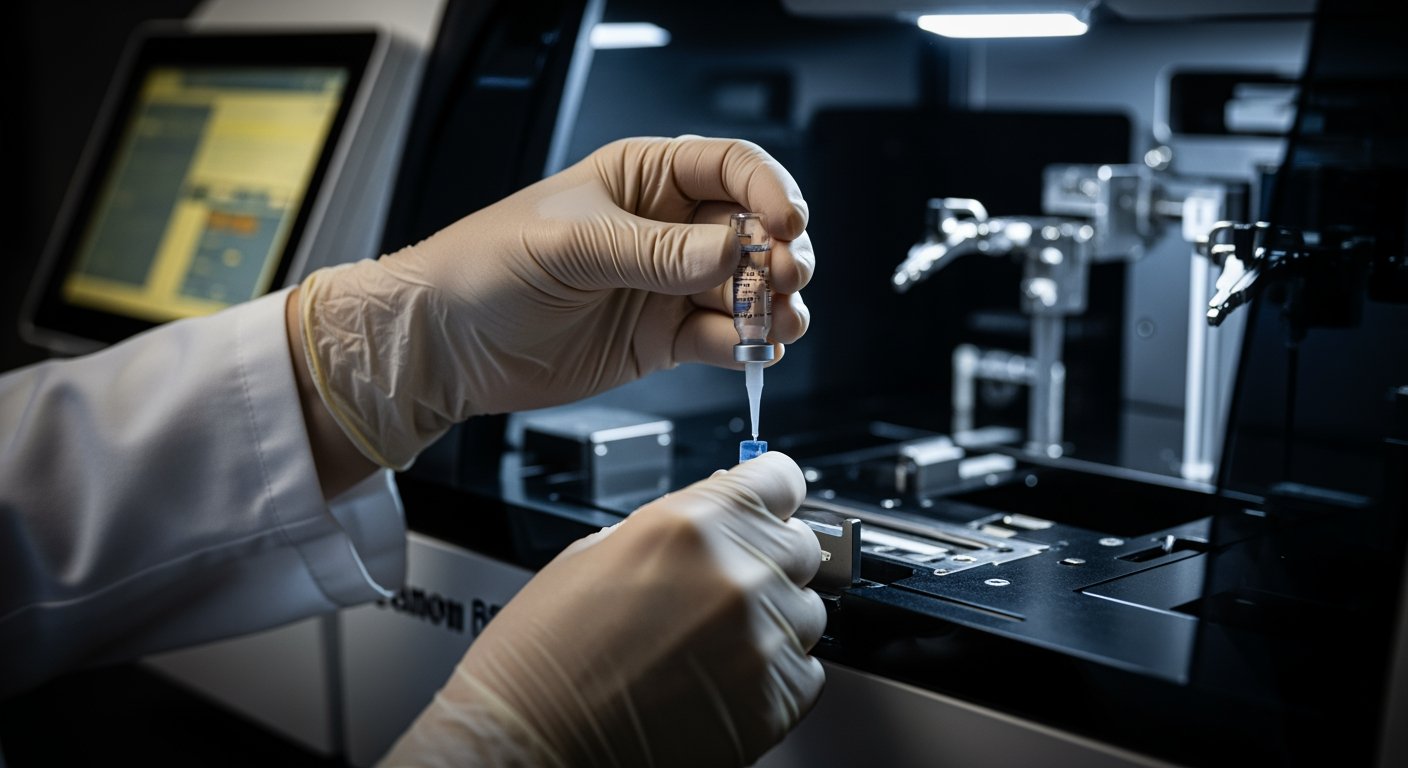
🇺🇸 For Real People: Practical Implications
This technology means researchers can now study far more samples than before significantly faster than traditional methods allowed which could lead to breakthroughs in understanding rapid climate shifts Even public policy decisions stand to gain When governments consider building infrastructure or responding to natural disasters knowing how climates might shift suddenly becomes essential information The advantage isn't just academic It's very real🇪🇸 Para la gente real: Implicaciones prácticas
Esto permite a los investigadores analizar muchas más muestras mucho más rápido comparado con métodos tradicionales lo cual ayudaría a avanzar nuestro conocimiento sobre cambios climáticos abruptos hasta decisiones políticas públicas se benefician Cuando gobiernos deben construir infraestructura o responder ante desastres naturales saber cómo podría cambiar repentinamente el clima resulta esencial La ventaja no es solo académica Es muy palpable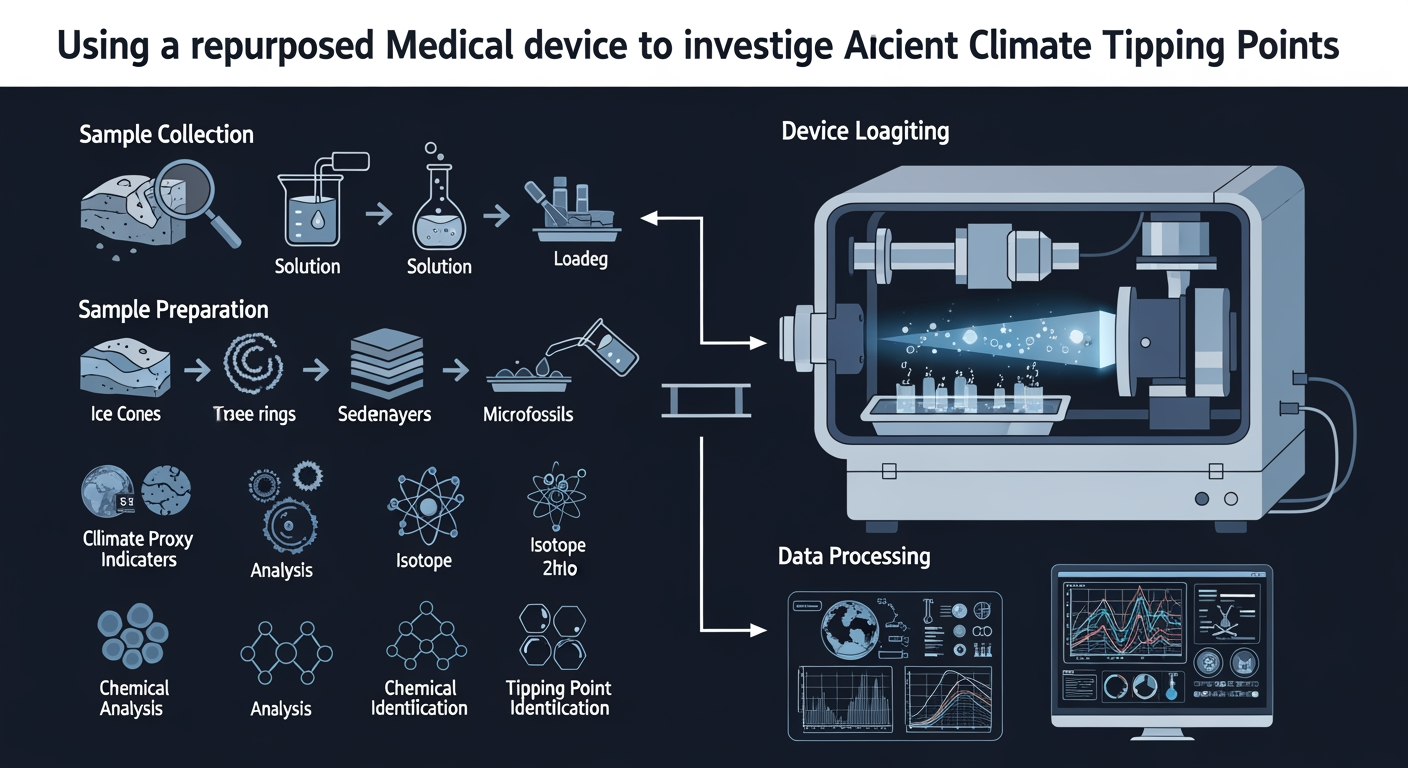
[ Scientific Visual Diagram | Diagrama Visual Científico ]
🇺🇸 Lingering Mysteries: What Remains Unknown
Plenty remains unclear For one thing we still do not fully understand what triggers these sudden shifts Is it always external forces like asteroids or internal dynamics within Earth itself Then there is the question of scale Can minor perturbations really create massive upheavals And if so how quickly Ultimately though this journey into ancient climates simulates one big guessing game Where every answered question raises more questions yet🇪🇸 Misterios persistentes: Lo desconocido aún persiste
Quedan muchas incógnitas Por ejemplo todavía no está claro exactamente qué provoca estos cambios repentinos Siempre son fuerzas externas como asteroides o dinámicas internas del propio planeta También está la cuestión respecto al alcance ¿Pueden pequeñas alteraciones causar caos masivo Y si sí cómo tan rápido En definitiva estudiar climas antiguos sigue siendo como un gran juego adivinatorio Cada respuesta deja nuevas preguntas abiertas
🔗 Related Articles | Artículos Relacionados
OPEN YOUR MIND
Source: Source
Support Open Your Mind
If this article helped you, consider buying me a coffee.
Buy me a coffee
Join the conversation