How higher temperatures can benefit (or devastate) bumble bee populations
How higher temperatures can benefit (or devastate) bumble bee populations
🇺🇸 Bumble Bees and Temperature Shifts
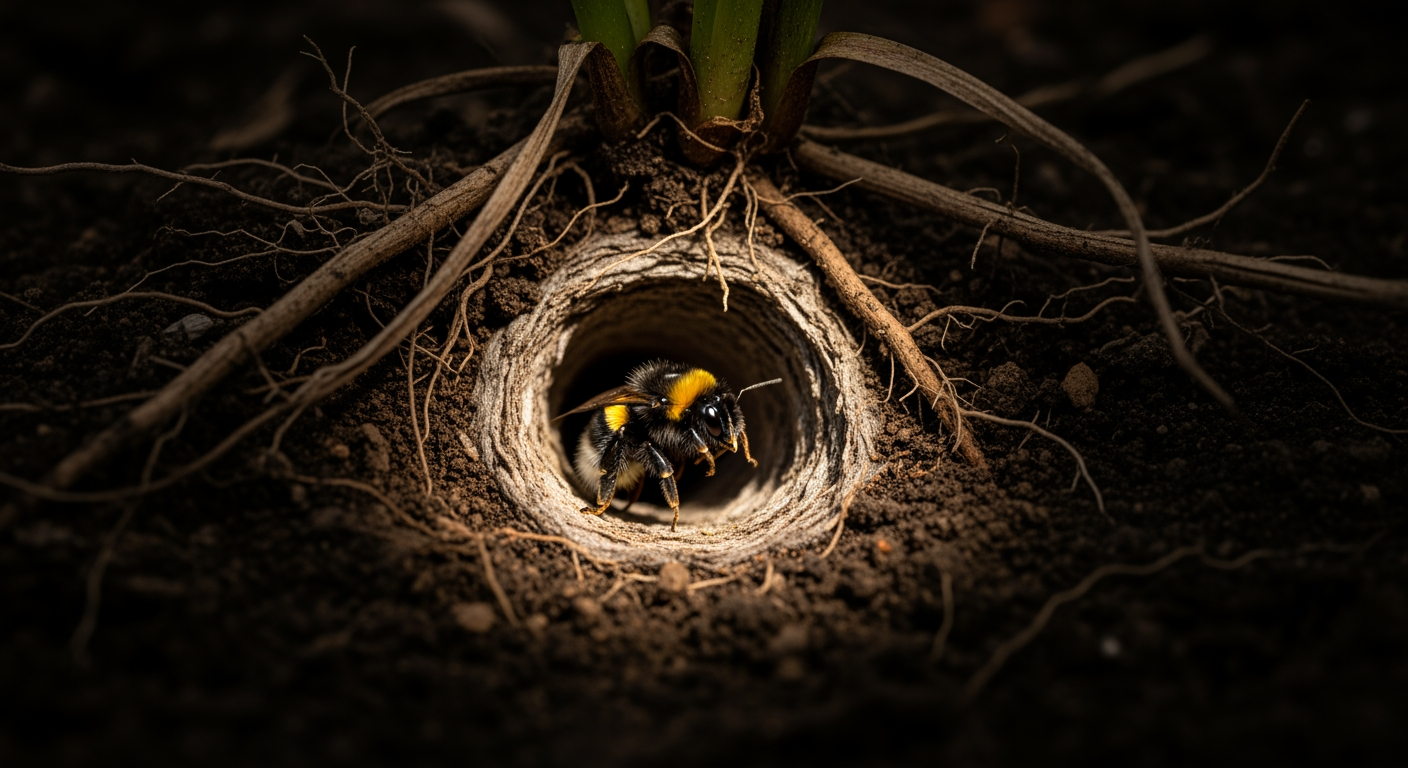
Researchers found that higher temperatures can actually help some bumblebee species. Wait, what? Yeah, particularly those that like to dig underground for their nests. These bees might get a boost from the warmth because it helps them maintain the right conditions in their homes. But it's not all sunshine. Extreme heat periods seem to undo these benefits. Like in the southeastern U.S., where bee populations are struggling due to such temperature spikes. It's pretty wild how something beneficial can turn harmful so fast.🇪🇸 Abejorros y cambios de temperatura
Científicos descubrieron que las altas temperaturas pueden favorecer a ciertas especies de abejorros. Suena raro, pero tiene sentido al pensarlo. Específicamente aquellos que hacen sus nidos bajo tierra podrían beneficiarse del calor porque ayuda a mantener condiciones adecuadas en sus hogares subterráneos. Sin embargo, esos mismos periodos de calor extremo parecen neutralizar los beneficios obtenidos antes del pico de calor, hasta el punto de debilitar las poblaciones en lugares como el sureste de Estados Unidos donde estos picos son comunes.
🇺🇸 What We Thought We Knew
Before this study, people usually thought warm temperatures were bad news for bumblebees across the board. Everyone knew that bees need just the right conditions to thrive but didn't realize there could be exceptions for underground nesters who enjoy a bit more warmth than others that nest above ground or in open areas.🇪🇸 Lo que creíamos saber
Antes del estudio actual se asumía que las altas temperaturas eran generalmente negativas para todos los abejorros sin excepción alguna. Se sabía que estos insectos necesitan condiciones específicas para prosperar pero no se había considerado profundamente cómo algunas especies con nidos subterráneos podían realmente aprovecharse del aumento de temperatura.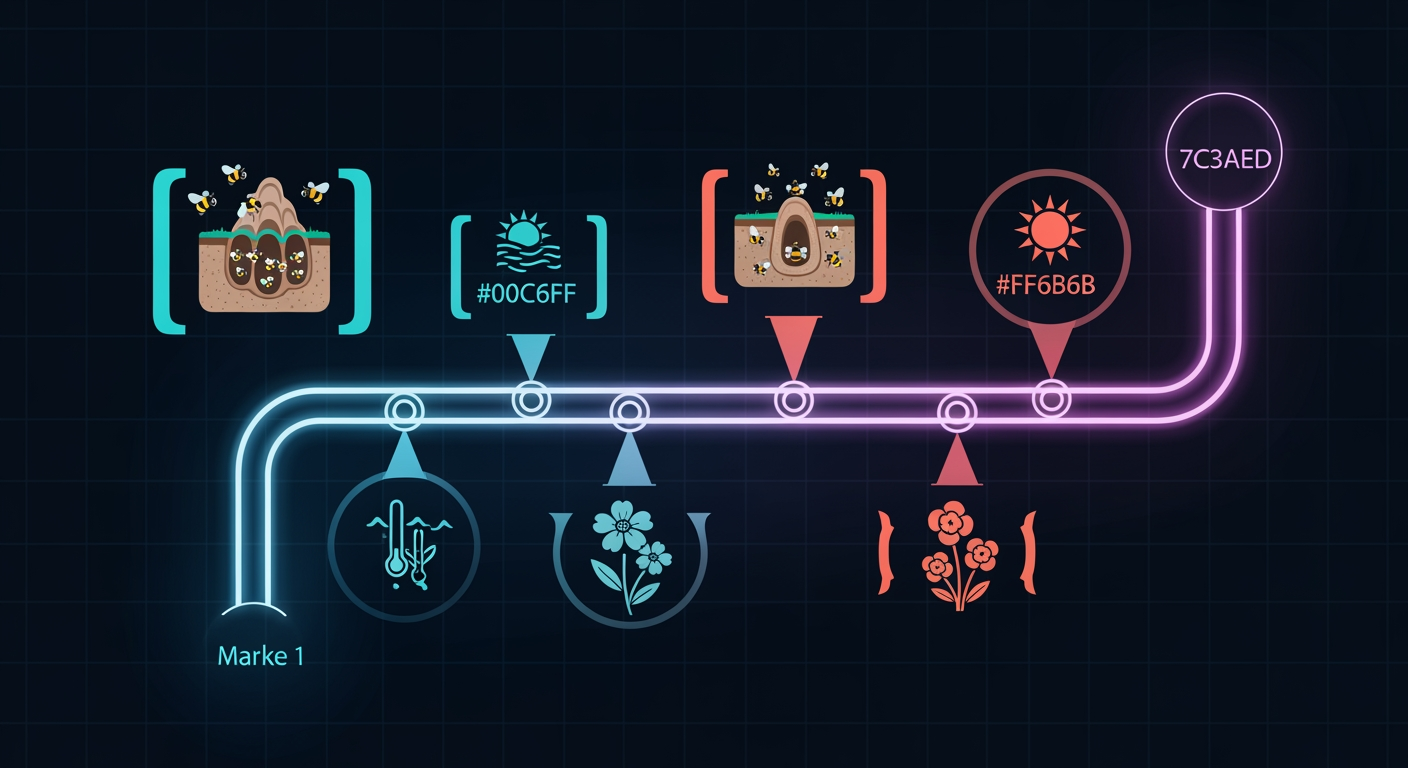
[ Scientific Visual Diagram | Diagrama Visual Científico ]
🇺🇸 The Underground Advantage
Turns out those who dig beneath our feet have an edge when temps go up as long as it's not too much or too sustained of course because they can keep their nests cooler than the air above which is strange if you think about it Since soil acts like some natural air conditioning system helping buffer against sudden changes🇪🇸 La ventaja bajo tierra
Las especies que excavan tienen una ventaja interesante cuando las temperaturas suben siempre y cuando no sea demasiado rápido ni prolongado ya que pueden mantener sus hogares más frescos comparados con el aire alrededor El suelo actúa como un sistema natural de aire acondicionado amortiguando cambios bruscos y manteniendo un ambiente más estable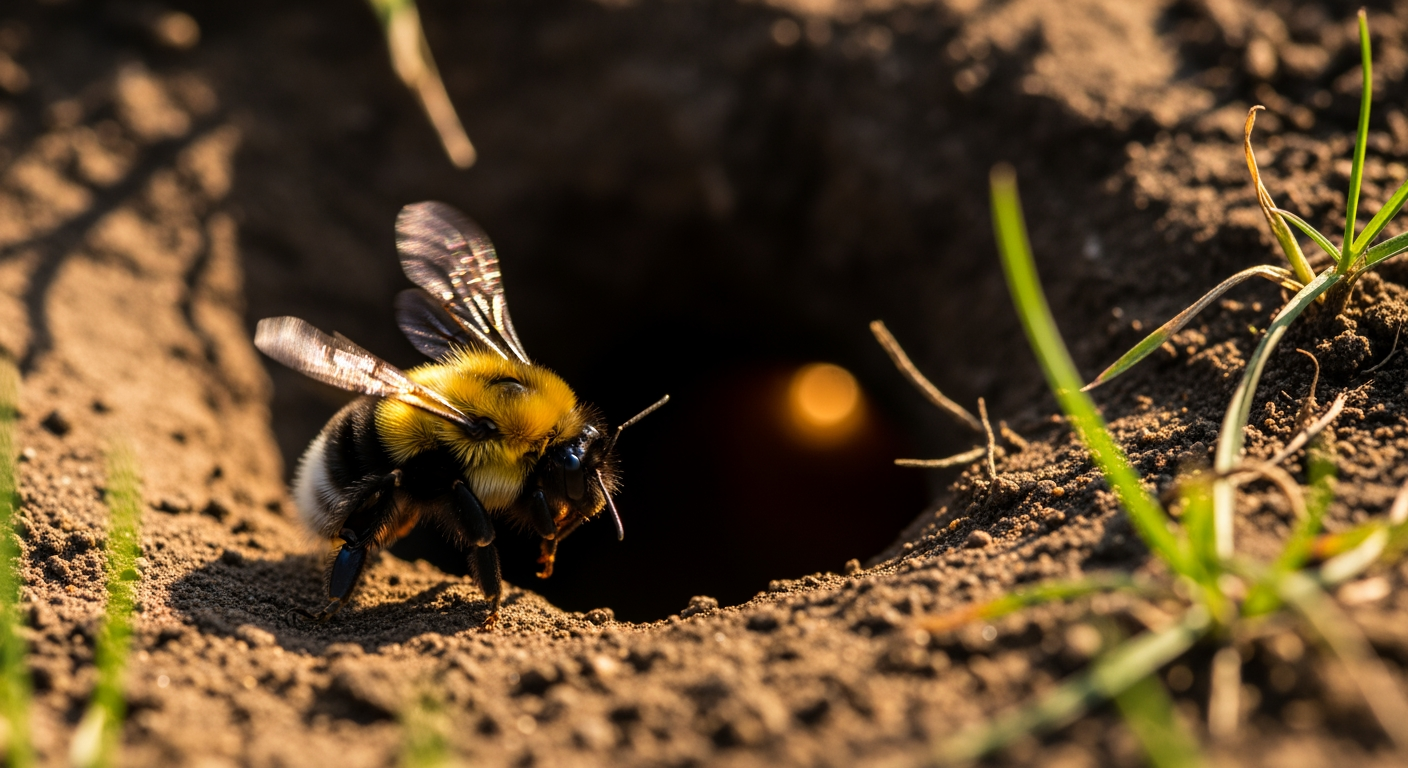
🇺🇸 Impacts on Everyday Life
So what does this mean for us? Farmers depend on bees for pollination and shifting bee populations could hit crop yields hard If certain regions see declining bee numbers then food supply chains might get funky Suddenly your favorite fruits and veggies may become rare or expensive Not great news🇪🇸 Impacto en la vida diaria
Entonces ¿qué significa esto para nosotros? Los agricultores dependen mucho de los abejorros para polinizar sus cultivos si estas poblaciones decaen podría haber menos producción lo cual afectaría directamente la disponibilidad y precio de frutas o vegetales Básicamente lo que comes podría encarecerse rápidamente así que vale estar atentos
[ Scientific Visual Diagram | Diagrama Visual Científico ]
🇺🇸 Still in the Dark
We still do not know why only some subterranean species benefit while others don't Are we missing something crucial about microhabitats within soil layers Maybe there are tipping points we haven't fully mapped out yet The study opens questions rather than closes them Who knows how many factors we haven't even considered yet🇪🇸 Aún en la oscuridad
Todavía no entendemos por qué solo algunas especies subterráneas se benefician mientras otras no Tal vez nos falta información clave sobre microhábitats dentro del suelo o existen puntos críticos aún sin identificar El estudio genera más preguntas abre interrogantes sobre factores todavía desconocidos cuántas cosas estarán escapándose nuestra mirada por el momento
OPEN YOUR MIND
Source: Source
Support Open Your Mind
If this article helped you, consider buying me a coffee.
Buy me a coffee
Join the conversation